Caputo Antimo Di Grano Duro Rimacinata Semolina Flour - All Natural Dough for Fresh Pasta, 2.2 lb Review (2026)
Updated September 20, 2026 · Research-based review
Our verdict
A good option for pizza and pasta makers who want a finely reground semolina rather than the coarser grind sold for dusting peels. The fine texture blends well into dough, though it is a weaker choice specifically as a peel release than standard coarse semolina.
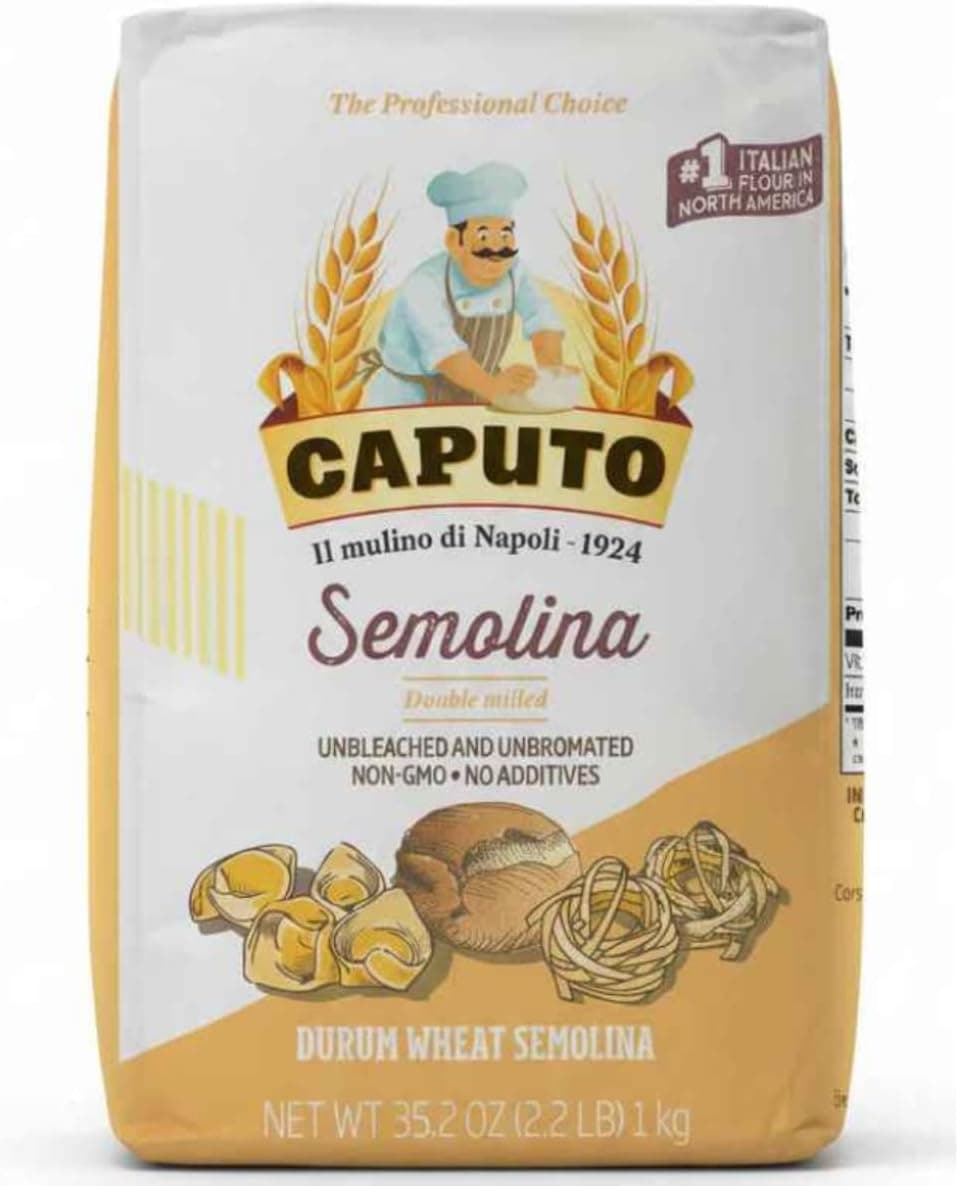
Caputo's Di Grano Duro Rimacinata semolina flour, a 2.2 lb bag of all natural reground durum for fresh pasta and dough.
Price range: See on Amazon
What we liked
- + Rimacinata regrinding makes it fine enough to blend into pizza dough
- + Caputo milling quality matches their well-known Italian pizza flours
- + 2.2 lb bag is a manageable size to try semolina in recipes
Trade-offs
- - Fine regrind is less effective than coarse semolina as a peel release
- - Import pricing is higher than domestic semolina brands
What it is
This is Antimo Caputo's Semola di Grano Duro Rimacinata, a 2.2-pound bag of durum wheat semolina that has been reground, or rimacinata, to a finer texture than typical semolina flour. Caputo has milled pizza and pasta flour in Naples since 1924 and is one of the most recognized Italian flour brands among serious home bakers. The product is marketed as all-natural and intended for fresh pasta dough as well as pizza dough, where a small amount of semolina is sometimes blended in for texture and flavor rather than used as the primary flour.
Who it suits
This semolina suits home cooks making fresh pasta from scratch, where the finer regrind produces a smoother, more workable dough than coarser semolina, and pizza makers who want to blend a portion of semolina into their dough recipe for added texture and a slightly nutty flavor. It is a better match for dough-blending uses than for dusting a pizza peel, since the fine regrind does not create the same rolling, ball-bearing effect that coarser semolina provides to help a raw pizza slide off the peel. Bakers specifically shopping for peel dusting flour should look at a coarser semolina instead, while anyone splitting their kitchen time between pasta and pizza will get more consistent use out of this bag.
Strengths
The fine regrind is a genuine advantage for pasta making, since it blends more smoothly into egg or water-based pasta dough than coarse semolina, producing a more supple, less gritty result. It also works well mixed into pizza dough recipes that call for a portion of semolina for flavor and slight chew, since the finer texture incorporates more evenly than coarse grains. Caputo's century of milling experience in Naples and consistent reputation for quality Italian flour products carries over to this semolina, giving buyers reasonable confidence in consistent milling from bag to bag.
Trade-offs
Because this semolina is finely reground rather than coarse, it performs worse as a peel-dusting flour than standard coarse semolina, since coarse grains create small rolling gaps that help pizza dough slide off a peel more easily, a job the fine regrind does not do as effectively. As an imported Italian product, it also costs more per pound than domestic semolina brands sold in similar bag sizes, which matters for cooks who use semolina frequently for both pasta and peel dusting. The 2.2-pound size is a manageable trial quantity but will not last long for anyone making pasta or pizza on a regular schedule.
Bottom line
For fresh pasta making and blending into pizza dough for texture, this finely reground Caputo semolina is a well-regarded, quality option backed by a long-established Italian mill. Anyone specifically looking for a peel-dusting flour to help pizzas slide off easily should choose a coarser semolina instead, since the fine regrind here is better suited to dough itself than to dusting duty. Pasta makers in particular should find this bag delivers noticeably smoother results than reaching for a coarse semolina meant primarily for peel work, and pizza dough bakers who want a subtle textural boost will find a small addition of this flour blends in more evenly than a coarser alternative would.
Frequently asked questions
Is this semolina good for dusting a pizza peel?
It works, but a coarser semolina generally performs better as peel dusting flour, since the fine regrind here does not create the same rolling effect that helps dough slide off easily.
Can this flour be used for making fresh pasta?
Yes, this is one of its primary intended uses, and the fine regrind is well suited to smooth, workable pasta dough.
What does rimacinata mean on the label?
Rimacinata means reground or remilled, indicating this semolina has been milled a second time to a finer texture than standard coarse semolina.
Is this the same as regular semolina flour sold at grocery stores?
It is a finer regrind than most standard semolina, which changes how it behaves in dough and as a peel dusting flour compared with coarser semolina products.
Prices change often, so check the current price and availability on Amazon.
Check price on AmazonPizza Oven Craft may earn a commission from the link above.