Troubleshooting Soggy Pizza Centers
Published How we research
A soggy centre comes from one of two directions: moisture from above (watery sauce, wet cheese and toppings, overloading) or heat that failed from below (an undercharged stone or steel). Diagnose by lifting a slice: a pale blond bottom is a heat problem, a well-browned bottom under a wet top is an ingredient problem. Preheat the baking surface 45 to 60 minutes to at least 250C, use less and thicker sauce, dry or drain wet toppings, and rest the baked pizza on a rack. The soggy center is the most universal pizza complaint, and the least mysterious once you think like a detective. A wet middle has exactly two possible sources: moisture that came from above, sauce, cheese, and toppings releasing water into the crust, or heat that failed from below, a baking surface that never delivered enough energy to set and crisp the base. Every fix in this article addresses one of those two directions, and diagnosing which one you have is half the battle. Lift a slice and look at the underside: a pale, blond bottom points to a heat problem; a well-browned bottom under a wet top layer points to an ingredient problem.
Products from this article
The highest-scoring picks from the buying guides this article links to. Scores are our editorial assessment, not customer ratings.
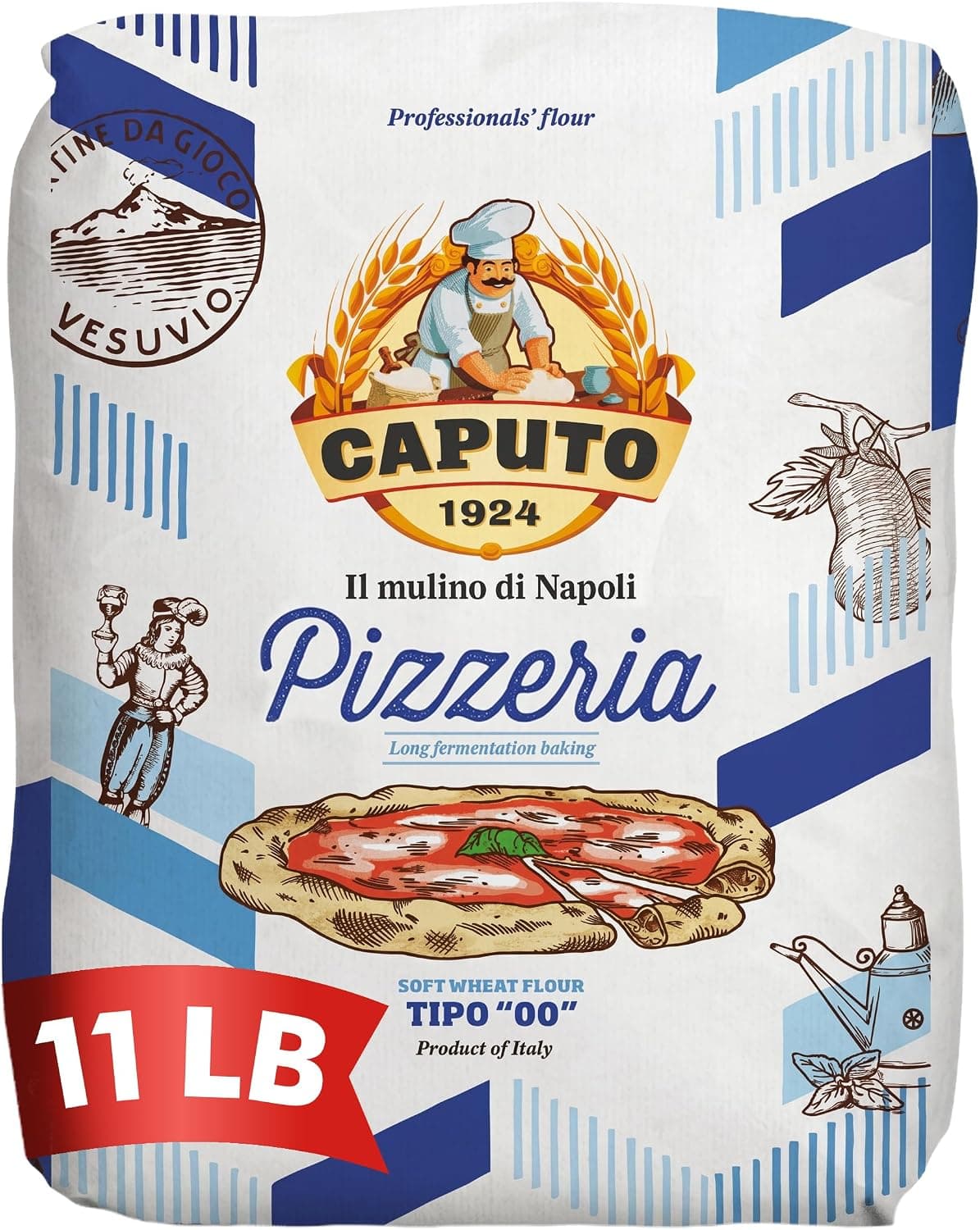
+ Pizzeria Blue flour is designed for long fermentation and high-heat ovens
From our guide: Best Pizza Ingredients to Buy
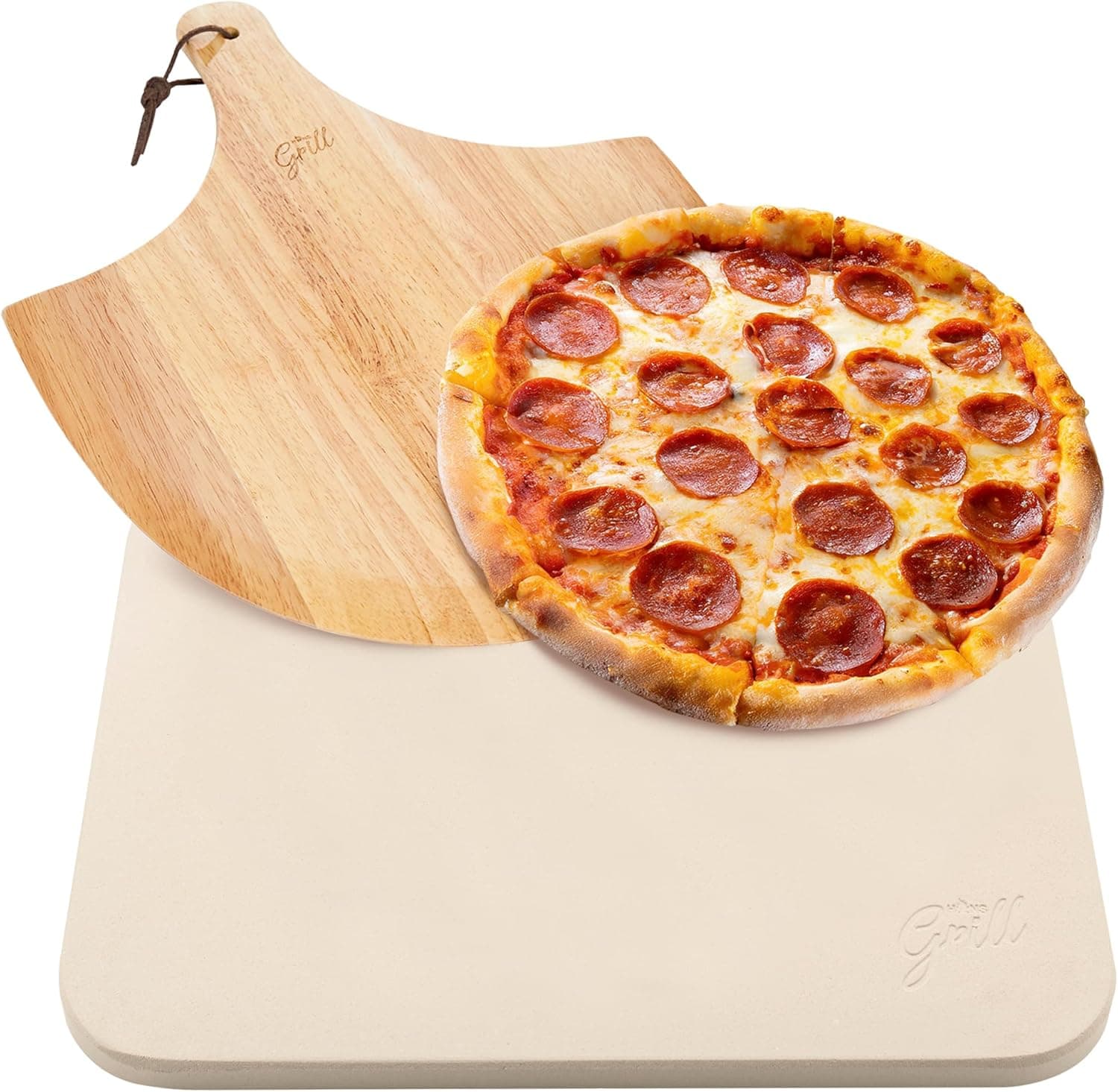
+ Free wooden peel included, adding value to the stone
From our guide: Best Pizza Stones for Home Ovens and Grills
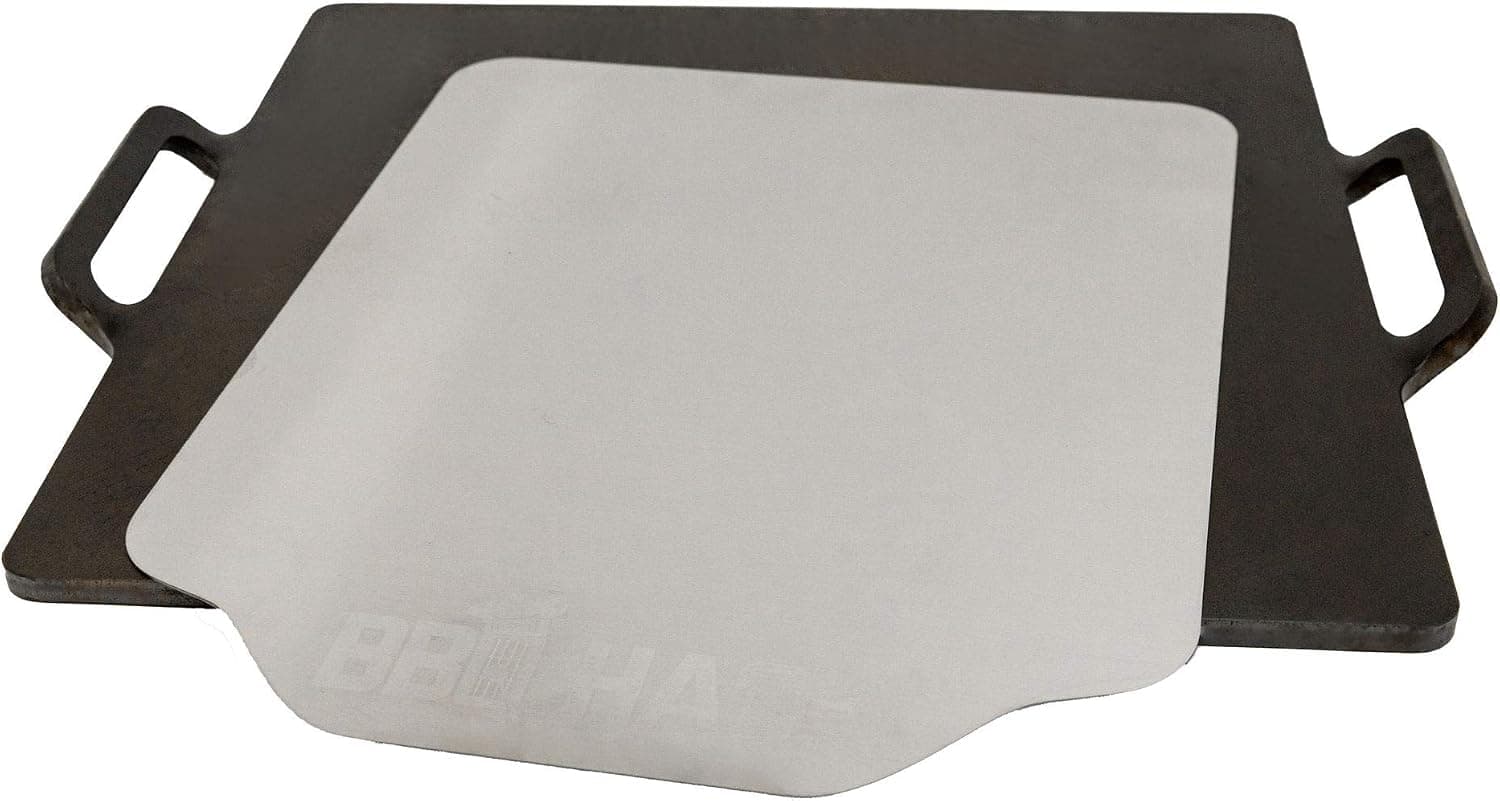
+ 3/8" thick steel stores lots of heat for fast, crisp bottoms
From our guide: Best Pizza Steels for Grills: High-Heat Outdoor Baking
+ Squeeze bottle makes drizzling over pepperoni pizza tidy and precise
From our guide: Best Pizza Ingredients to Buy


Start with the heat side
Start with the heat side, because it is the most common failure in home ovens. A stone or steel needs 45 to 60 minutes of preheating at maximum temperature to saturate; the oven beeping ready only means the air is hot. Launching onto an undercharged surface gives you exactly the pale, flexible, steamy center you are trying to cure. Position matters too: a surface on the lowest rack of some ovens sits too far from the top element for balanced baking, while baking on a screen or perforated tray without any preheated mass under it practically guarantees sog. Buy an infrared thermometer, aim for at least 250 degrees Celsius on the surface indoors, and much of this problem evaporates.
Audit your sauce
Next, audit your sauce. Pizza sauce should be spreadable but not pourable; if it runs off a tilted spoon like juice, it will run into your crumb like juice. Drain canned tomatoes before crushing, strain the finished sauce if needed, and respect quantity: 70 to 90 grams for a 30 centimeter pie, spread thin enough that the base shows through faintly. The instinct when a pizza tastes dry is to add more sauce next time, but the correct response is almost always better sauce texture, not greater volume.
Cheese and toppings are the stealth contributors
Cheese and toppings are the stealth contributors. Fresh mozzarella can release a shocking amount of whey in a long home-oven bake; press it dry and use it sparingly, or switch to low-moisture mozzarella for indoor pies. Raw mushrooms, fresh tomato slices, zucchini, spinach, and pineapple all dump water exactly where you do not want it, so sauté, roast, or salt-and-drain them before they reach the dough. Overloading multiplies everything: each additional topping layer insulates the pie, extends the bake, and adds moisture, which is why the six-topping special is soggy in a way the margherita never is.
Dough and bake management
Dough and bake management supply the finishing margin. Very high hydration dough in a moderate home oven holds more water than the bake can drive off, so if sogginess persists, drop hydration a few points. Make sure the center of your stretched pie is not dramatically thicker than the rest, since a thick, dense middle cooks slowest precisely where the sauce sits. And extend your bake courageously: many home pies are pulled when the cheese looks done but a minute or two before the structure is actually set. Color on the rim and spotting underneath are your real doneness signals.
Protect the crispness you created
Finally, protect the crispness you created. A pizza set on a flat plate or cutting board steams its own base within two minutes; a wire rack or perforated tray preserves it. Cut just before serving rather than letting a sliced pie sit, because cut edges wick moisture faster. Fix the biggest leak first, usually the undercharged stone, retest with a simple margherita, and adjust one variable per bake. Sogginess is not a curse; it is a checklist, and yours probably only has one or two boxes on it.
Frequently asked questions
Why is the middle of my pizza soggy? Either moisture from above (watery sauce, wet mozzarella, raw vegetables, too many toppings) or too little heat from below (an undercharged stone). Check the underside: pale means heat, browned-but-wet means ingredients.
How long should I preheat a pizza stone or steel? 45 to 60 minutes at maximum temperature. The oven beeping ready only means the air is hot; the stone needs that long to saturate to at least 250C, checked with an infrared thermometer.
Does fresh mozzarella make pizza soggy? It can release a lot of whey in a long home-oven bake. Press it dry and use it sparingly, or switch to low-moisture mozzarella for indoor pies.
Why does my pizza go soft after it comes out? A flat plate or board steams the base within two minutes. Rest the pizza on a wire rack or perforated tray and cut it just before serving.
Popular right now
- Best Semolina Flour for Pizza Peels and Crispier CrustsBuying guide
- Best Low-Moisture Mozzarella for Homemade PizzaBuying guide
- Best Pizza Stone Sets with Peels and AccessoriesBuying guide
- Semolina vs Flour for DustingArticle
- Best Perforated Pizza Peels for Home OvensBuying guide
- Best Pizza Seasonings and Topping Blends to Keep on HandBuying guide
Based on the last 28 days of search and visitor data.