Semolina vs Flour for Dusting
Published How we research
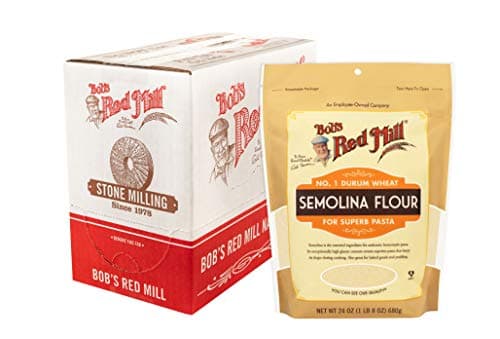
Semolina is the best all-around peel dusting agent: its coarse durum particles roll under the dough for clean release, absorb moisture slowly so your build window is longer, and tolerate oven heat before burning. Plain flour works but turns to paste in a couple of minutes and carbonizes fast. Cornmeal adds strong corn flavour and burns low, and rice flour resists sticking best on very wet doughs but has no crunch. A 50/50 semolina-and-flour blend is a sensible house standard. The thin layer of powder between your pizza and the peel is easy to ignore and quietly decisive. It has one primary job, keeping wet dough from bonding to the surface long enough for you to launch, and two secondary effects, changing the texture of the finished base and either surviving or burning in the oven. The main candidates are the flour you already use, semolina, cornmeal, and rice flour, and they behave differently enough that it is worth choosing on purpose rather than grabbing whatever is open.
Products from this article
The highest-scoring picks from the buying guides this article links to. Scores are our editorial assessment, not customer ratings.
+ Coarse grind is stated in the listing, the texture this guide looks for when dusting a peel before launch
From our guide: Best Semolina Flour for Pizza Peels and Crispier Crusts
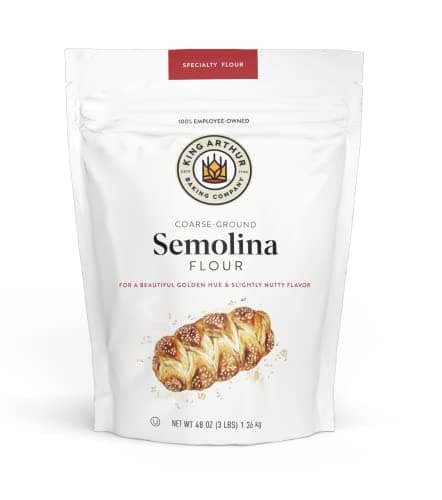
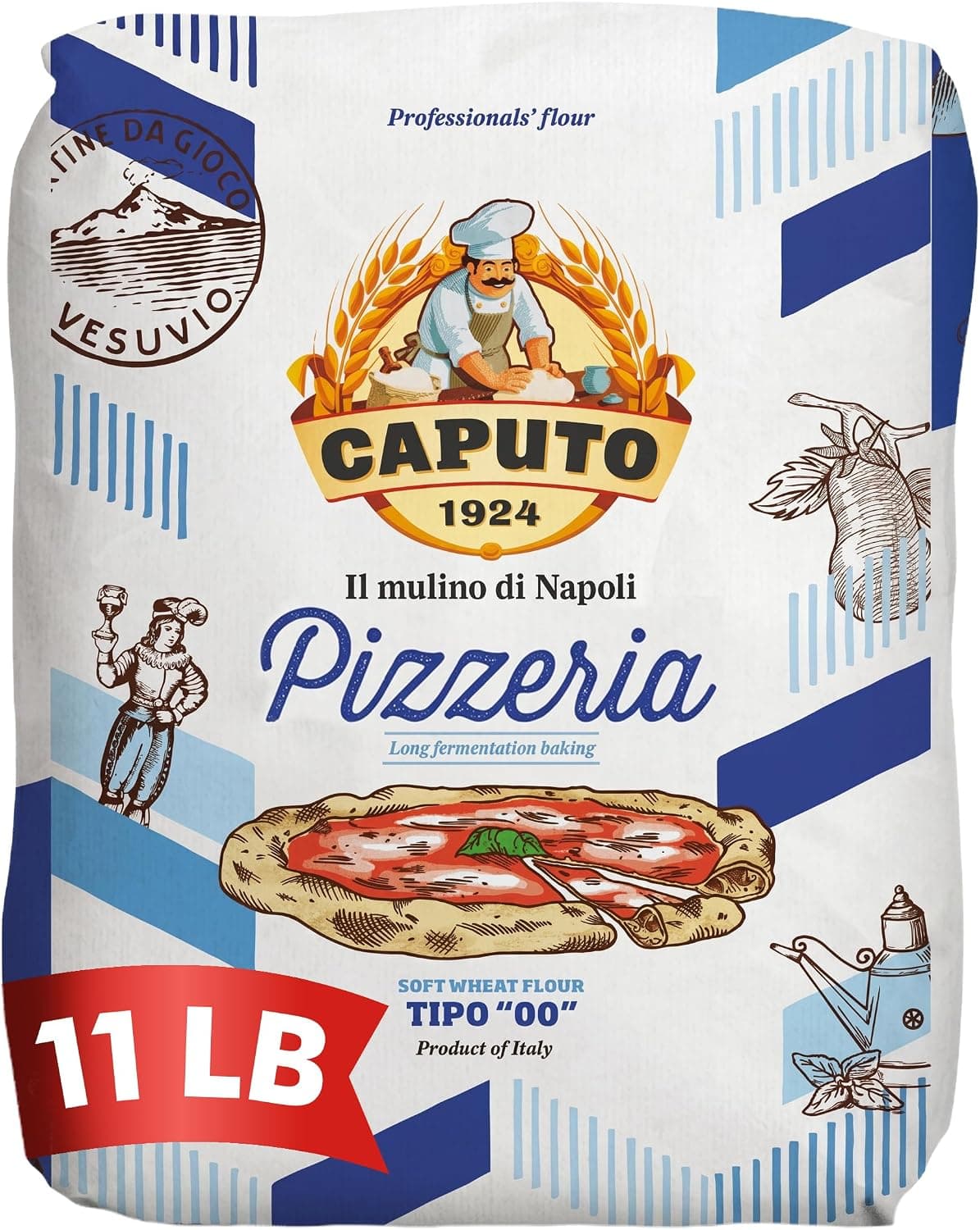
+ Pizzeria Blue flour is designed for long fermentation and high-heat ovens
From our guide: Best Pizza Ingredients to Buy
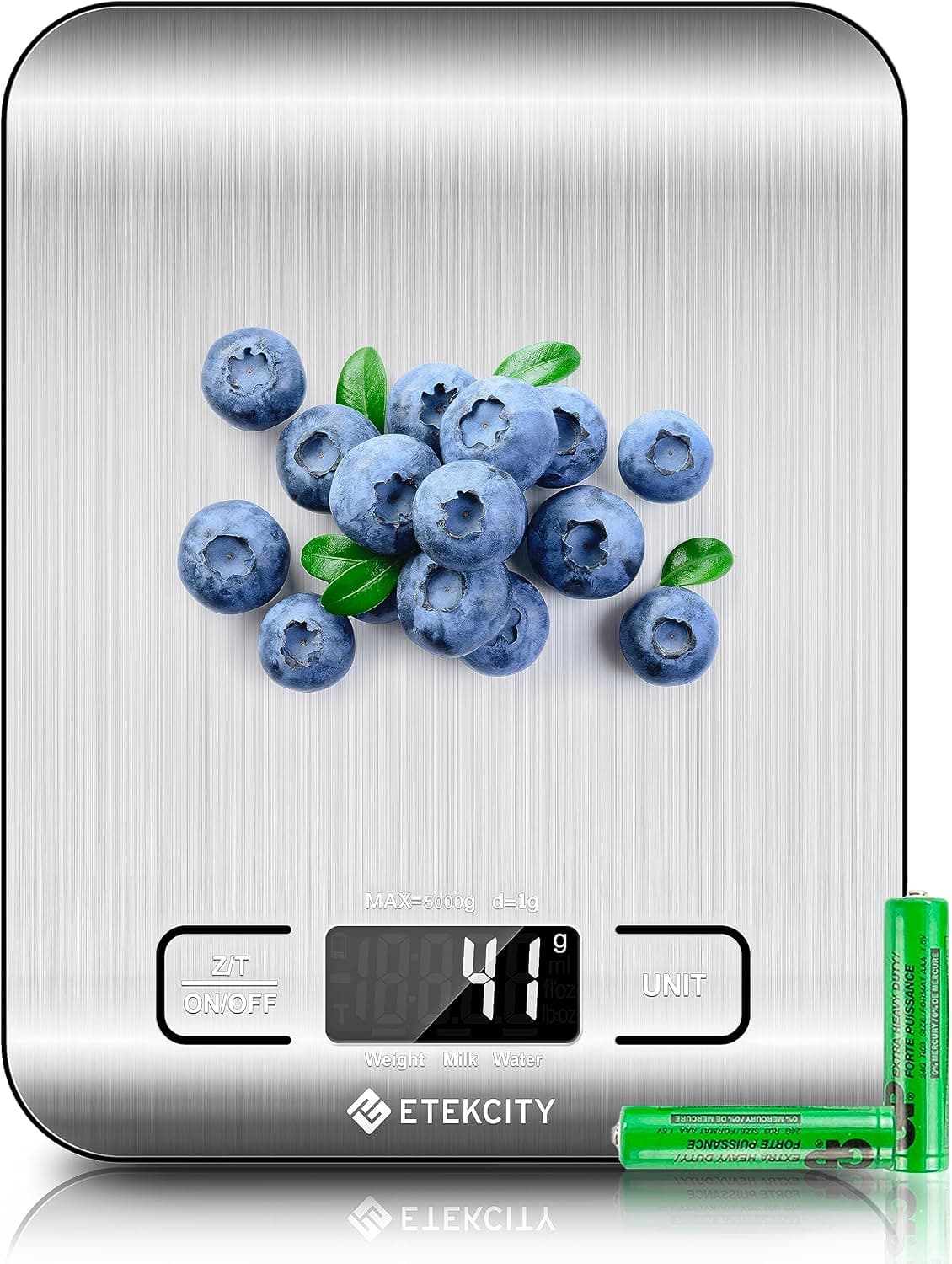
+ Grams mode makes weighing flour, water and salt for pizza dough precise
From our guide: Best Pizza Oven Accessories
+ Rimacinata regrinding makes it fine enough to blend into pizza dough
From our guide: Best Semolina Flour for Pizza Peels and Crispier Crusts
Plain wheat flour: the default that fights you
Plain wheat flour is the default and works acceptably: it is free, already on your bench, and adds no new flavor. Its weaknesses show under pressure. Fine flour absorbs moisture from the dough within a couple of minutes, gradually turning from ball bearings into paste, which is why a slowly-built pizza sticks even on a floured peel. It also burns fast; loose flour on a 400 degree stone carbonizes in seconds, and repeated bakes without brushing the stone build up an acrid black dust that bitters every subsequent base. If you dust with flour, use little, build fast, and sweep the stone between pies.
Semolina: the traditional best choice
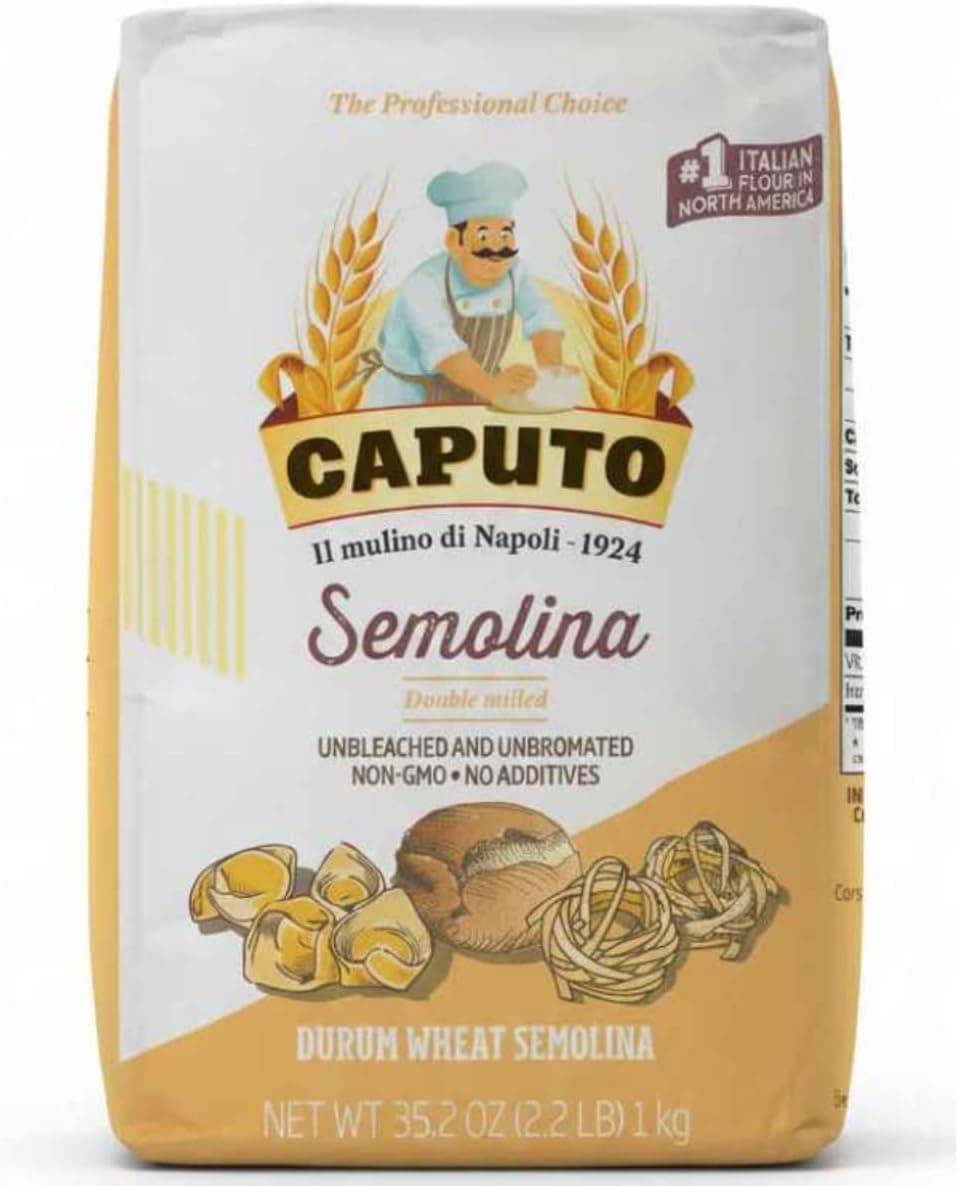
Semolina, the coarse golden milling of durum wheat, is the traditional pizzeria answer and the best all-around choice. Its granular particles genuinely roll under the dough, giving the classic ball-bearing release, and they absorb moisture far more slowly than fine flour, extending your safe build window. Semolina tolerates heat better before burning, adds a faint sweetness and a pleasant, subtle crunch to the base, and gives the underside an attractive golden speckle. Many bakers use a 50/50 blend of semolina and flour, capturing the release of the coarse grain with the softer surface of the fine, and that blend is a sensible house standard.
Cornmeal: the polarizing option
Cornmeal is the polarizing one. It releases well, its particles are coarse like semolina, but it burns at a lower temperature than durum wheat and its flavor is assertive; a cornmeal-dusted base tastes distinctly of corn, which some people associate fondly with American pizzeria slices and others find intrusive and gritty. In a high-heat outdoor oven, cornmeal scorches quickly and can leave bitter, blackened grit on the stone. It is a legitimate stylistic choice for lower-temperature home baking and a poor one above 350 degrees Celsius.
Rice flour: the specialist for wet dough
Rice flour is the specialist. It is the standard dusting for high-hydration bread doughs because it absorbs water remarkably slowly, and for very wet pizza doughs, 70 percent hydration and beyond, it outperforms everything else at preventing sticking. It is flavor-neutral and burns less readily than wheat flour. The downsides are texture and cost: it lacks semolina's pleasant crunch, contributes nothing to appearance, and is the most expensive option per launch. Keep a small jar for your wettest experiments and for patching a peel mid-session when a sticky pie needs emergency help.
Quantity discipline beats material choice
Whatever you choose, quantity discipline beats material choice. The correct amount is a light, even film, applied and then tapped or shaken off, not a snowdrift; excess dusting of any kind ends up on your stone, in your oven's smoke, and on the bitter underside of your crust. Combine a modest semolina blend with a fast build and the shake test before launching, and the powder under your pizza will do its job invisibly, which is exactly what it is supposed to do.
Frequently asked questions
Is semolina or flour better for launching pizza? Semolina. Its coarse particles genuinely roll under the dough like ball bearings, absorb moisture far more slowly than fine flour, and tolerate oven heat better before burning.
Why does my pizza stick to the peel even when floured? Fine flour absorbs water from the dough within a couple of minutes and turns from ball bearings into paste. Use semolina, build the pizza fast, and do the shake test before launching.
Can I use cornmeal to dust a pizza peel? Yes for lower-temperature home baking, but it burns below durum wheat and tastes distinctly of corn, so it scorches and leaves bitter grit in a high-heat oven above about 350C.
What should I dust with for high-hydration dough? Rice flour. It absorbs water remarkably slowly and outperforms everything else at preventing sticking on doughs at 70 percent hydration and beyond, though it lacks semolina's crunch.
Quick answers
Semolina or cornmeal for dusting a pizza peel?
Semolina is the favourite: its coarse grains let pizza slide off easily and burn less than flour. Cornmeal also works but adds a gritty texture and can scorch in very hot ovens.
Popular right now
- Best Semolina Flour for Pizza Peels and Crispier CrustsBuying guide
- Troubleshooting Soggy Pizza CentersArticle
- Best Low-Moisture Mozzarella for Homemade PizzaBuying guide
- Best Pizza Stone Sets with Peels and AccessoriesBuying guide
- Best Perforated Pizza Peels for Home OvensBuying guide
- Best Pizza Seasonings and Topping Blends to Keep on HandBuying guide
Based on the last 28 days of search and visitor data.