Gas vs Wood Fired Pizza Ovens
Published How we research
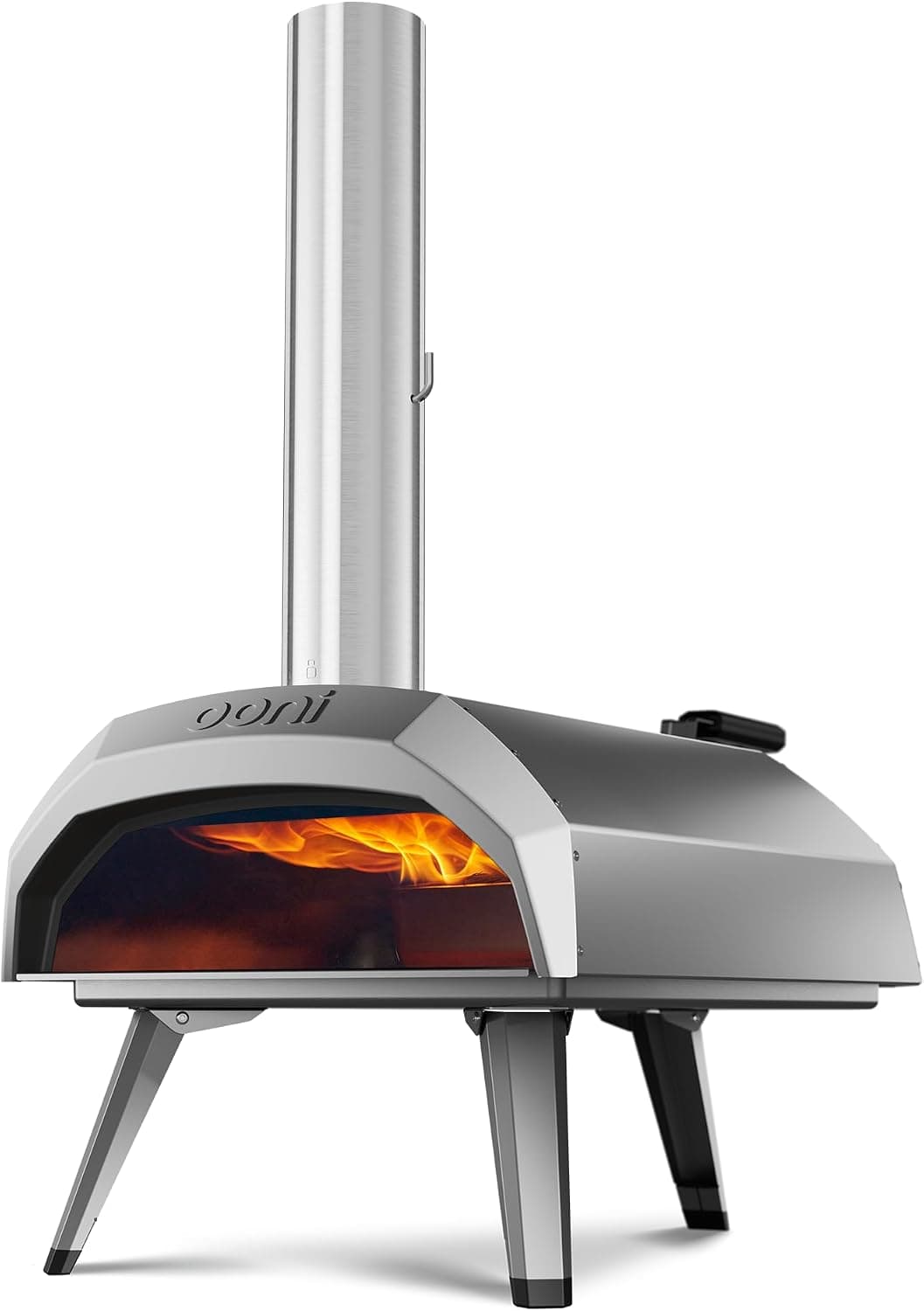
The gas versus wood debate generates more heat than most pizza ovens, and much of it is fueled by a myth: that wood smoke deeply flavors a Neapolitan-style pizza. In reality, a pie that bakes in 60 to 90 seconds absorbs very little smoke. The flavor difference between a good gas bake and a good wood bake is real but subtle, mostly a faint aroma on the cornicione and slightly more aggressive charring where flames lick the crust. Blind taste tests routinely humble people who swear they can always tell. What wood undeniably delivers is theater, ritual, and the pleasure of tending a live fire.
Products from this article
The highest-scoring picks from the buying guides this article links to. Scores are our editorial assessment, not customer ratings.
+ Choose wood for flavor or gas for convenience in the same oven
From our guide: Best Multi-Fuel Pizza Ovens: Gas, Wood, and Charcoal in One
+ Chimney draws smoke up and away for a cleaner burn and better airflow
From our guide: Best Wood-Fired Pizza Ovens for Authentic Flavor
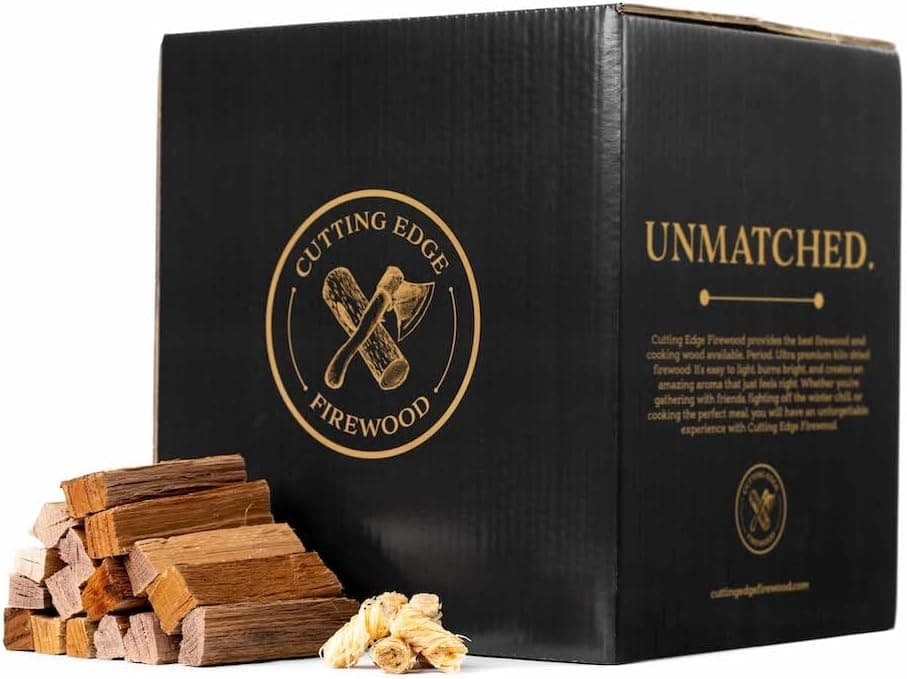
+ 50 Pound box offers lots of fuel for frequent pizza makers
From our guide: Best Pizza Oven Fuel: Pellets, Wood, Charcoal, and Gas
+ 16 inch capacity handles family-size pies and cast iron roasting
From our guide: Best Multi-Fuel Pizza Ovens: Gas, Wood, and Charcoal in One
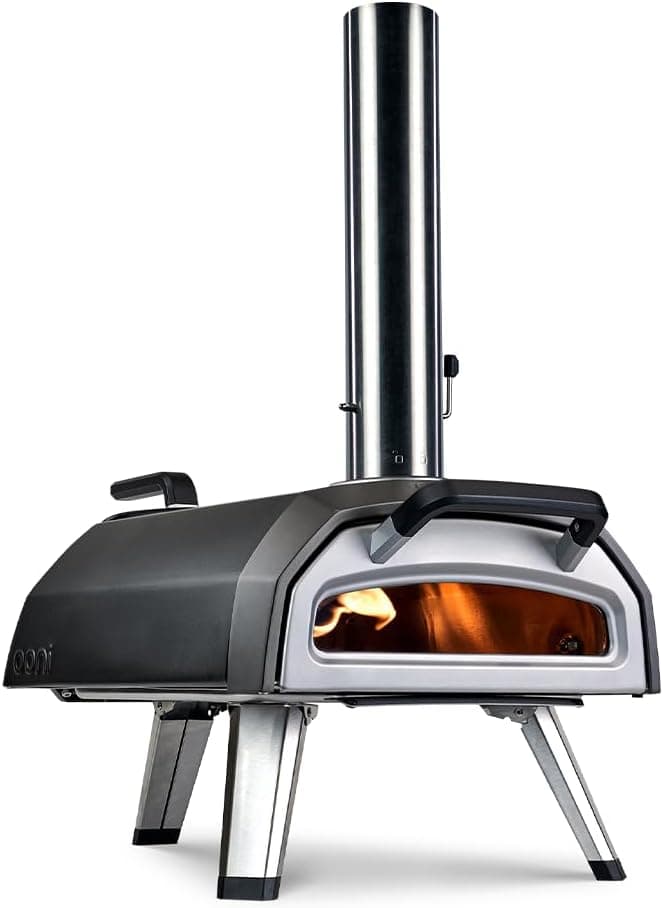
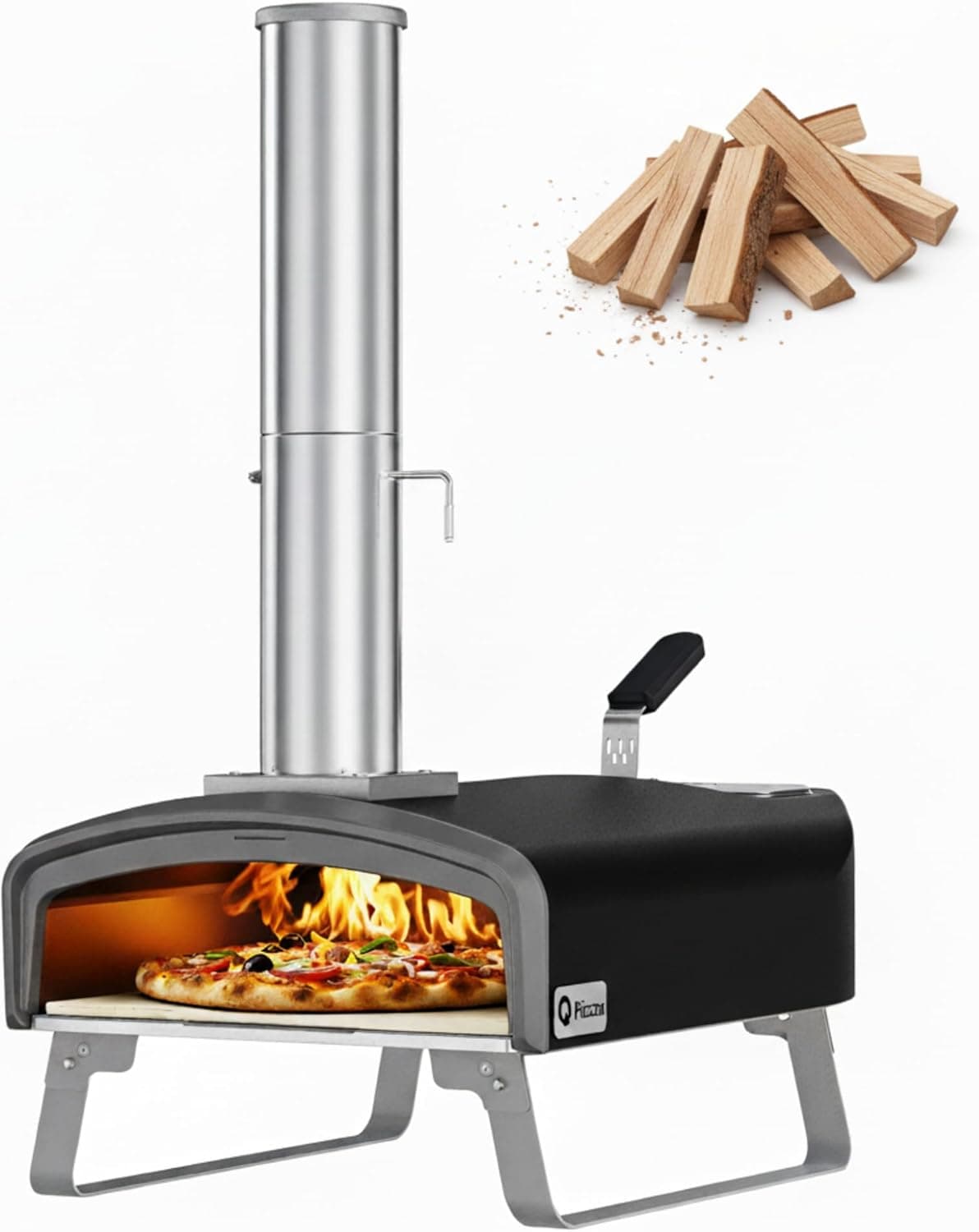
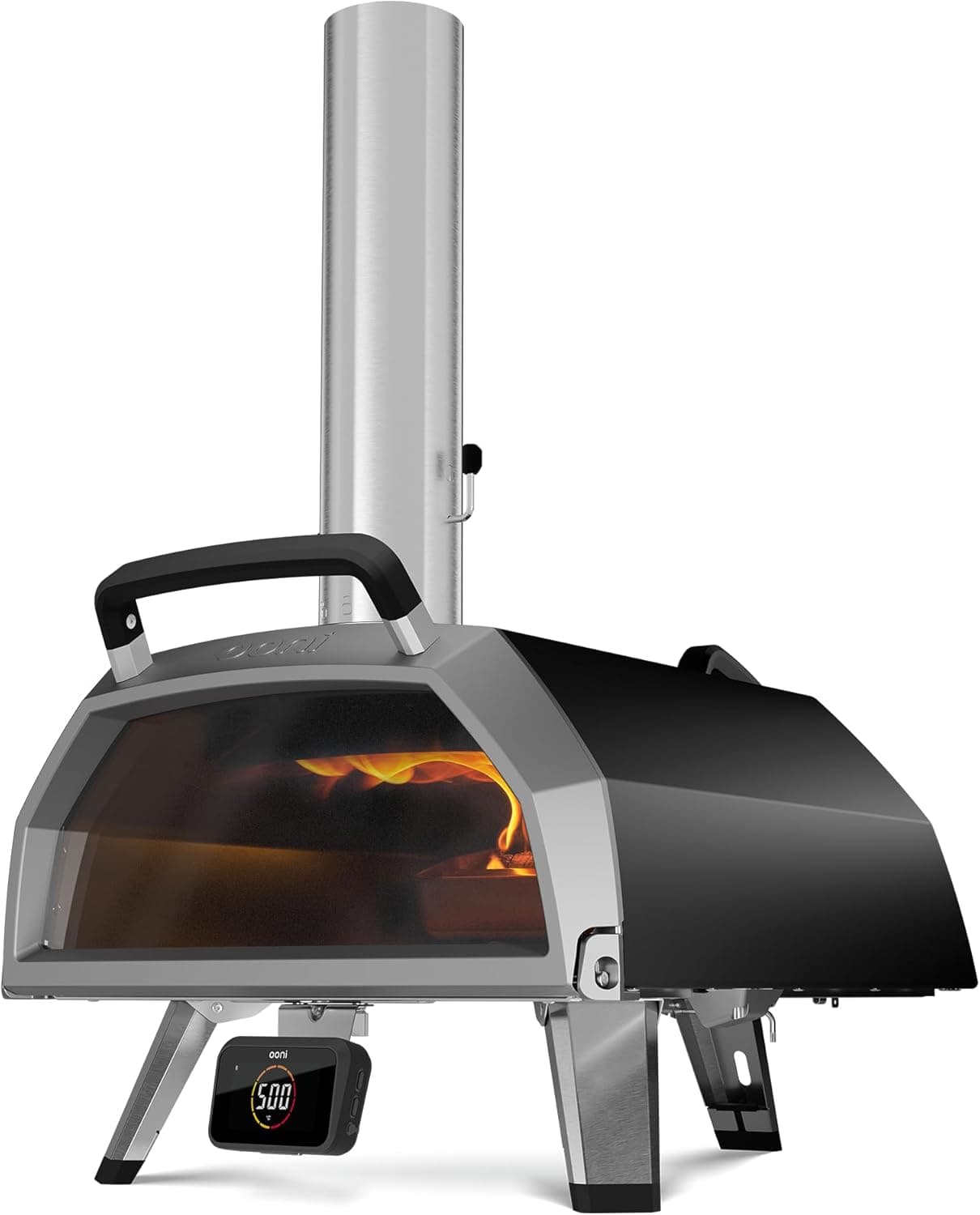
Control is where gas wins decisively. A gas oven reaches temperature in 15 to 20 minutes, holds it within a narrow band, and recovers quickly between pies. When you are baking for a crowd, that consistency means pizza number eight comes out as well as pizza number one. Wood fire runs in cycles: the flame surges after fresh fuel, then decays, and the oven floor cools as it conducts heat into each successive pie. Managing that rhythm, feeding small splits at the right moments, waiting out the dirty smoke after each addition, is a genuine skill that takes seasons to develop.
Count the true costs on both sides. Gas ovens burn cheap fuel; a standard propane tank lasts many sessions and costs little to refill. Kiln-dried hardwood for a small oven is surprisingly expensive per session if you buy it in small boxes, and cheap or damp wood produces acrid smoke that genuinely does ruin flavor. Wood ovens also demand cleanup: ash removal, soot management, and a stone that needs occasional high burns to clear residue. A gas oven needs almost none of this. Factor your patience for maintenance into the price comparison.
Time is the hidden variable. A gas session can be spontaneous: decide at five, preheat at six, eat at half past. A wood session is an event that starts an hour or more before the first launch and requires attention throughout. Neither is wrong, but they suit different lives. People with young children, small patios, or weeknight ambitions tend to drift toward gas. People who treat pizza night as the weekend's main event, who enjoy the fire as much as the food, stay loyal to wood and find the ritual half the point.
There is a practical middle path. Multi-fuel ovens accept a wood burner insert in place of the gas ring, letting you run gas on weeknights and wood when you have the time. They cost more, and the wood mode in small ovens is more finicky than a dedicated wood oven, but they remove the fear of choosing wrong. Alternatively, some owners add a few wood chunks to a gas session in a smoker box near the flame; the effect is mild but scratches the itch.
If you are choosing your first oven, choose gas unless you already know you love managing fire. You will bake more often, learn faster, and waste less dough, and frequency of practice improves pizza more than any fuel ever will. If you are choosing your second oven, you already know which way your heart points, and you should follow it, because at that stage the joy of the process matters as much as the marginal difference on the plate.
At a glance: Gas oven vs Wood-fired oven
| Gas oven | Wood-fired oven | |
|---|---|---|
| Heat-up | Fast, turn a dial | Longer, build a fire |
| Temperature control | Easy and steady | Needs regular feeding |
| Flavour | Clean | Subtle smoky notes |
| Fuel | Propane | Hardwood |
| Learning curve | Low | Higher |
| Cleanup | Minimal | Ash removal |
Choose Gas oven if
- You want reliable weeknight pizza
- You bake many pizzas in a row
- You are new to high-heat ovens
Choose Wood-fired oven if
- You enjoy tending a fire
- You want the traditional experience
- You cook other dishes with live fire
Bottom line: Gas is the easier path to consistently great pizza. Wood fire is for people who enjoy the ritual as much as the pizza. Multi-fuel ovens offer both.
Popular right now
- Best Semolina Flour for Pizza Peels and Crispier CrustsBuying guide
- Troubleshooting Soggy Pizza CentersArticle
- Best Low-Moisture Mozzarella for Homemade PizzaBuying guide
- Best Pizza Stone Sets with Peels and AccessoriesBuying guide
- Semolina vs Flour for DustingArticle
- Best Perforated Pizza Peels for Home OvensBuying guide
Based on the last 28 days of search and visitor data.