Caring for Your Pizza Steel and Stone
Published How we research
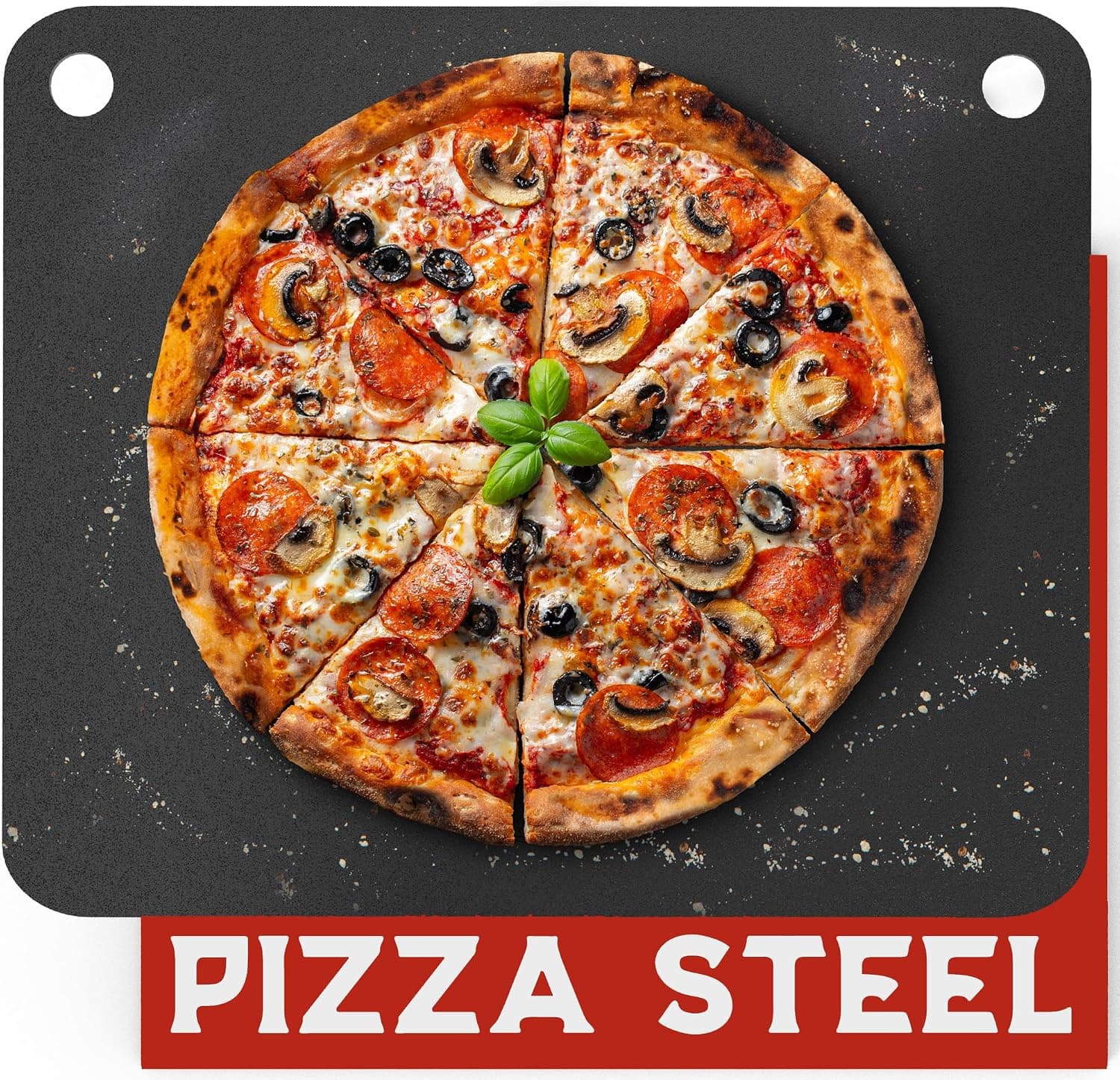
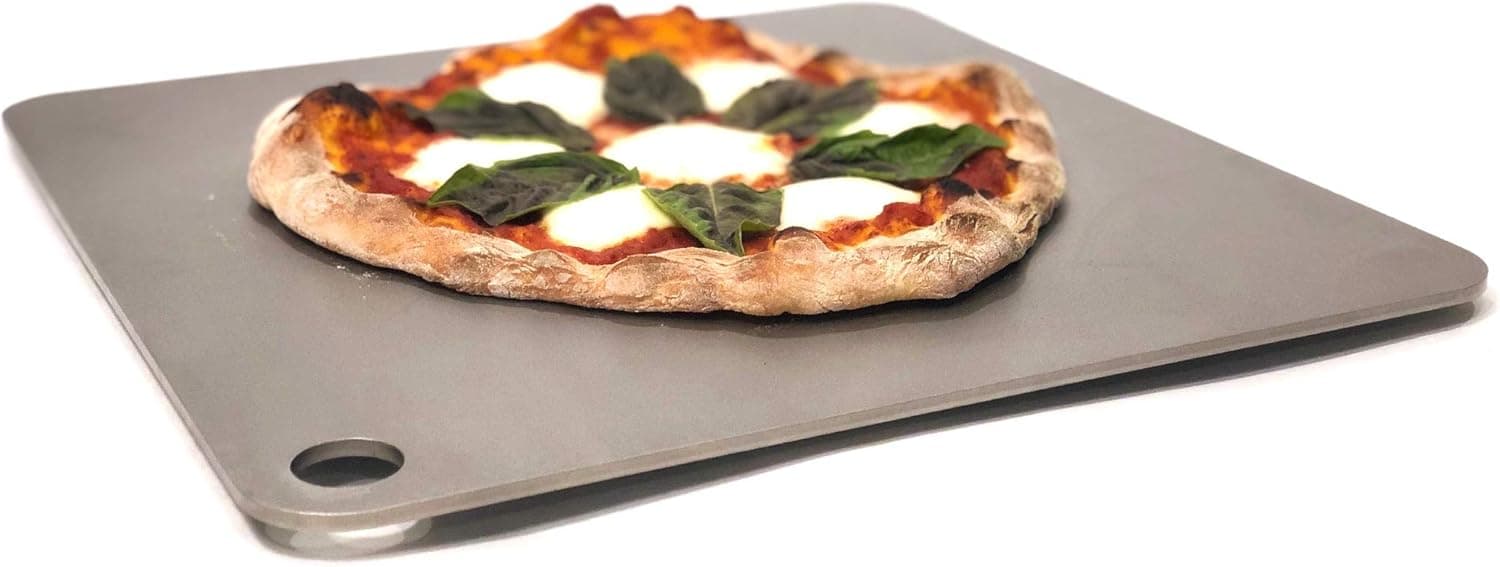
A baking steel and a pizza stone need opposite care. Steel is non-porous metal, so you can scrub it in the sink but must dry it immediately and wipe on a thin film of neutral oil to stop rust. Stone is porous ceramic that must never touch soap or water and must never face sudden temperature change. For both, let food carbonize during the bake, then scrape the cooled surface and wipe. Dark patches are harmless patina, not dirt. A baking steel and a pizza stone are both lifetime tools if you treat them according to their natures, and ruined ones if you treat them like dishes. The key is understanding that they are opposites: steel is non-porous metal that fears only water left standing on it, while stone is porous ceramic that fears water, soap, and sudden temperature change. Almost every care mistake comes from applying the instincts of one to the other, or from applying dish-washing instincts to either.
Products from this article
The highest-scoring picks from the buying guides this article links to. Scores are our editorial assessment, not customer ratings.
+ 3/8" thick steel stores lots of heat for fast, crisp bottoms
From our guide: Best Pizza Steels for Grills: High-Heat Outdoor Baking
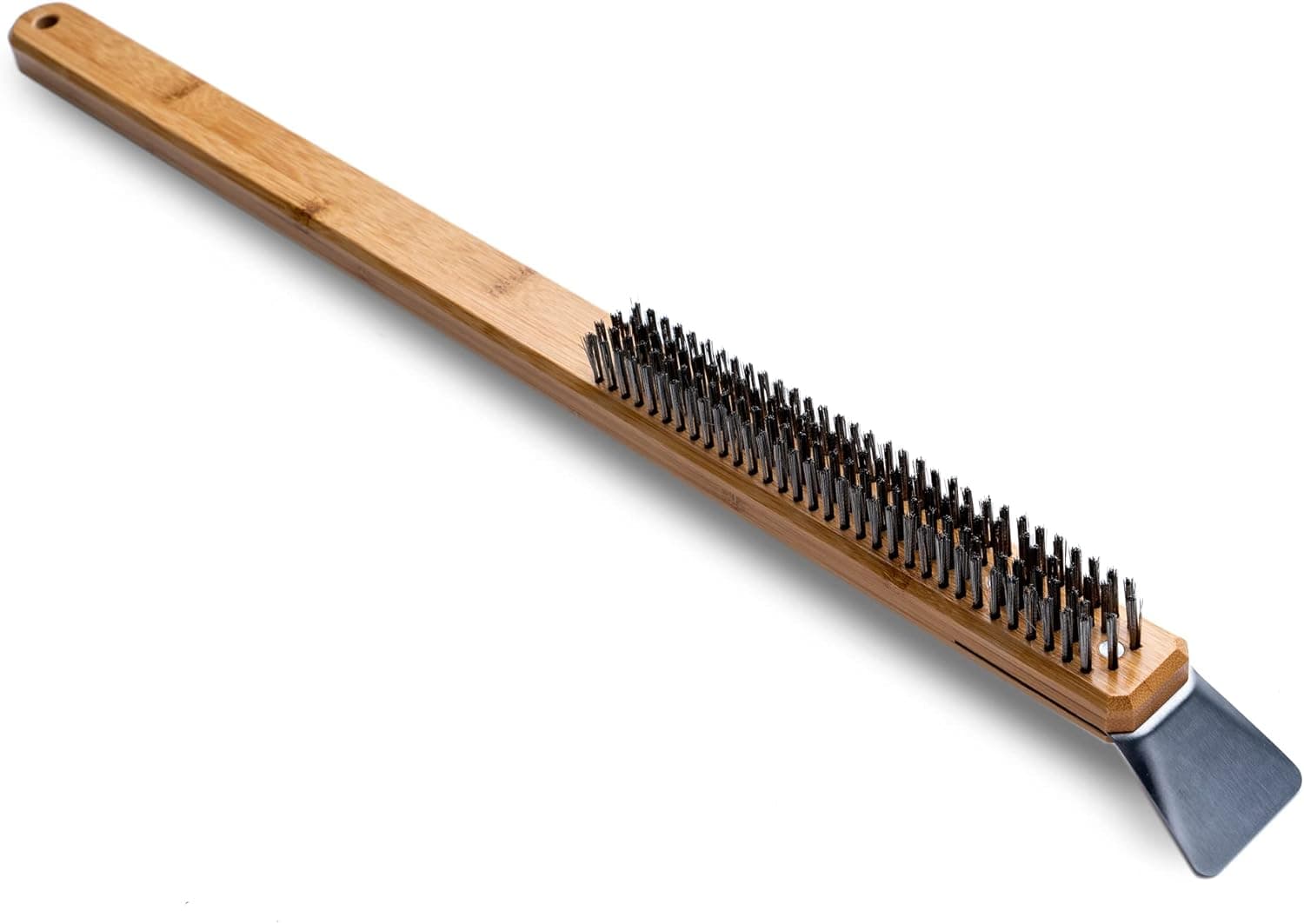
+ Scraper lifts burnt cheese while the brush sweeps away ash
From our guide: Best Pizza Oven Brushes and Cleaning Tools
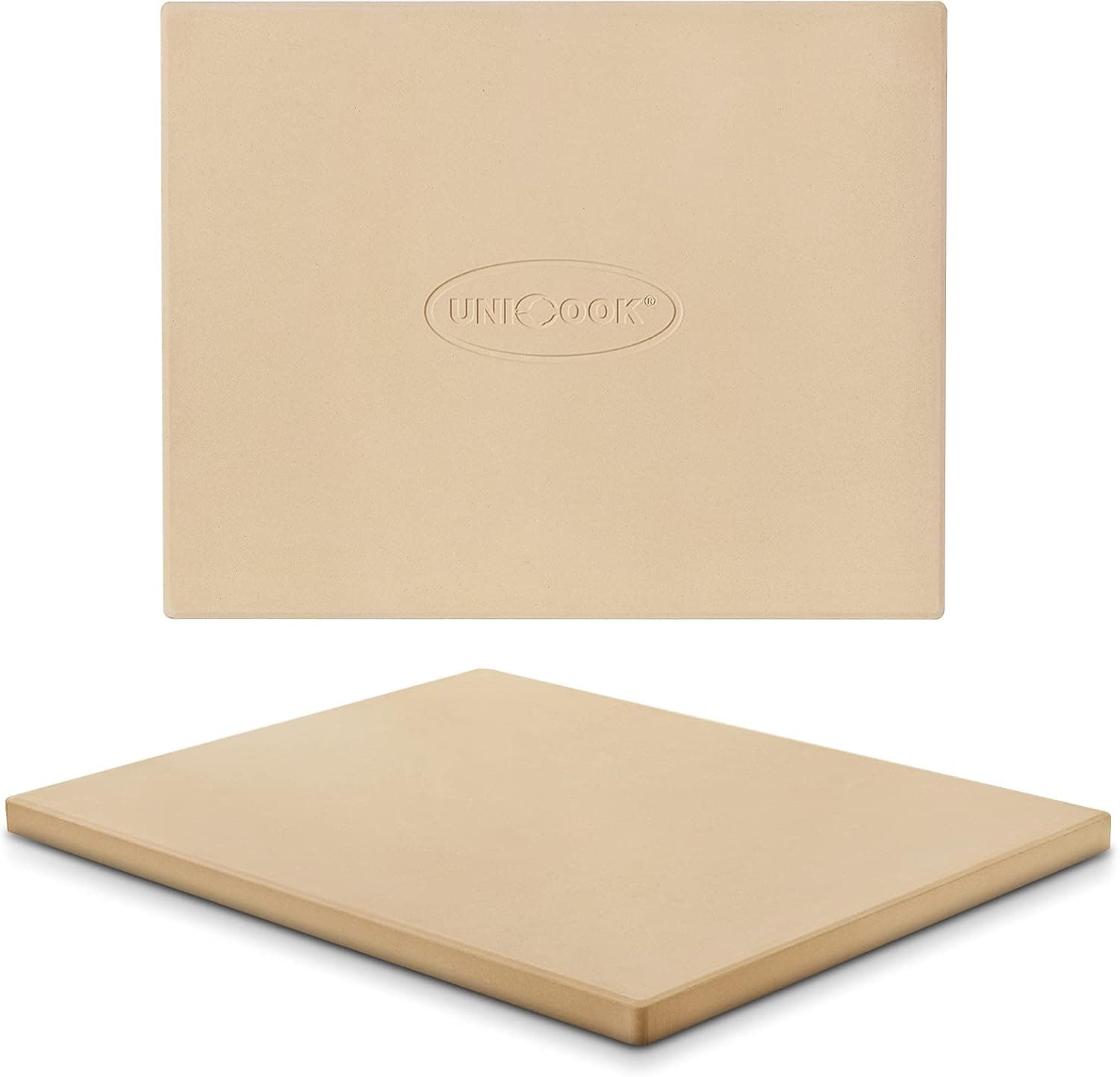
+ 6.8 lbs of cordierite holds heat without being unmanageable
From our guide: Best Cordierite Pizza Stones: Crack-Resistant Baking
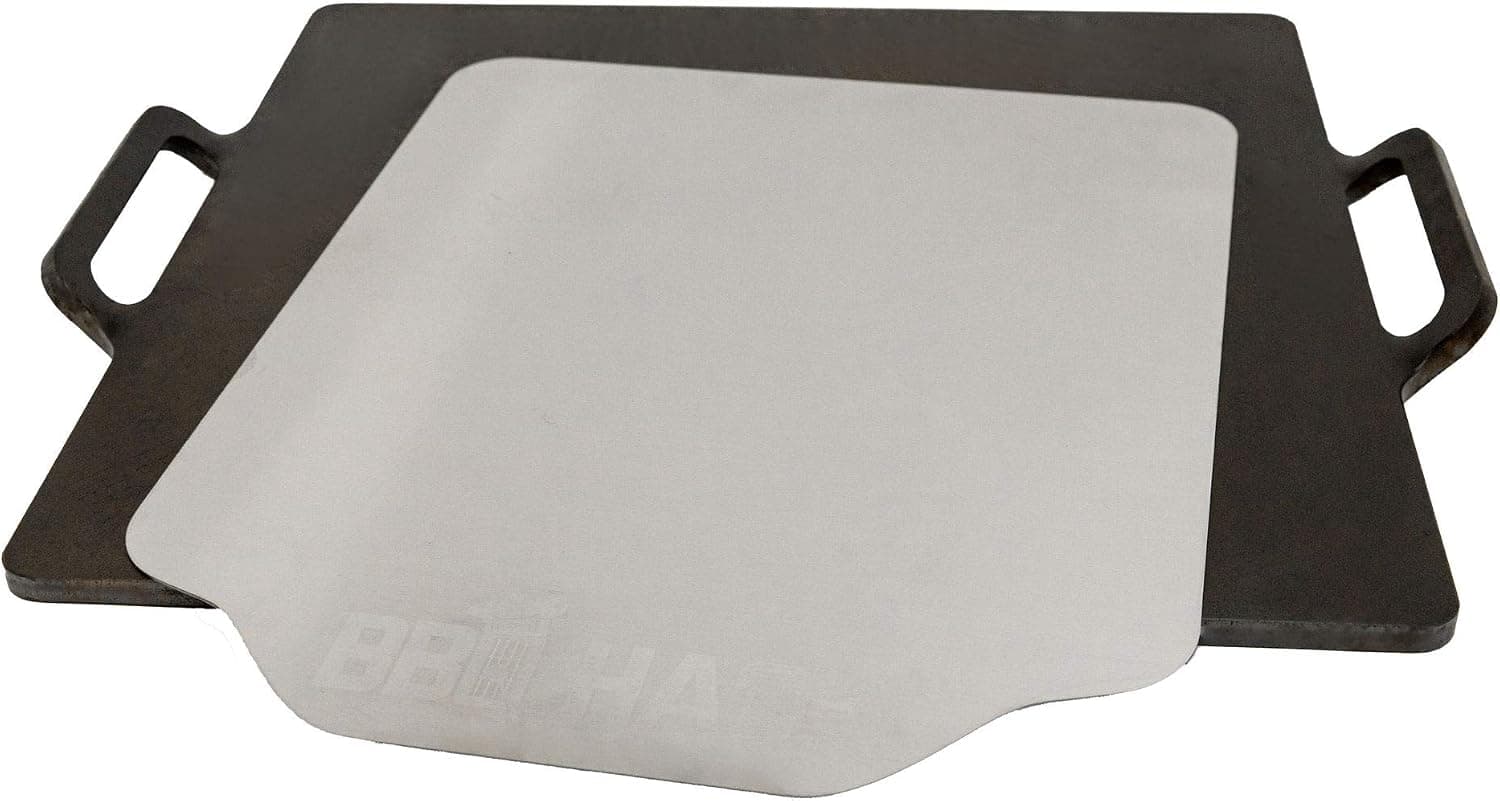
+ 27.5 lbs of steel holds heat for many pizzas in a row
From our guide: Best Pizza Steels for Grills: High-Heat Outdoor Baking
Routine cleaning: let the oven do the work
Routine cleaning for both starts the same way: do nothing while hot except let the oven finish the job. Burnt flour, drips of sauce, and cheese casualties largely carbonize during the bake; when the surface has cooled, scrape the residue off with a metal spatula, bench scraper, or dedicated grill stone, then wipe with a dry or barely damp cloth. That is the entire routine for most sessions. The black spots and gradual darkening are not dirt; they are the patina of use, cosmetically identical to a well-loved cast-iron pan and equally harmless.
Steel-specific care is rust prevention
Steel-specific care is really rust prevention. Steel is impervious to soap and water in the short term, so you can scrub a truly messy steel in the sink, but it must be dried immediately and thoroughly, because standing moisture raises orange rust within hours. After any wet cleaning, dry the steel on the stovetop or in a warm oven, then wipe on the thinnest possible film of neutral oil with a paper towel, buffing until it looks almost dry. Stored this way, a steel improves with age, developing a slick, dark seasoning. If rust does appear, scrub it off with steel wool, re-oil, and carry on; nothing about a steel is ever truly ruined.
Stone-specific care: a list of prohibitions
Stone-specific care is a shorter list of prohibitions. Never soap a stone: the porous ceramic drinks soap solution and returns it as off-flavors in your next crusts. Never soak one or run it under water while warm, and never take a cold stone into a screaming preheat or drop a frozen pizza on a blazing stone, because thermal shock is how stones crack. Deal with stubborn residue mechanically, scrape, then rub with a dry brush or a paste of baking soda and a few drops of water on the spot, wiped clean and dried fully. For deep cleaning, run the stone through a long, hot, empty bake, or a self-clean cycle if the manufacturer permits it, and let the carbon burn to ash you can brush away.
Stains are cosmetic, not a problem to fix
Stains deserve a mental adjustment rather than a remedy. Oil shadows, tomato ghosts, and dark rings are permanent on stone and cosmetic only; a stained stone bakes exactly as well as a new one, arguably better once fully dried and seasoned by use. Trying to restore showroom color with aggressive soaking or oven cleaner chemicals is how stones acquire flavors and cracks. If uniform appearance genuinely matters to you, that is the argument for owning a steel, which can always be scrubbed and re-seasoned to black uniformity.
Storage and handling
Storage and handling round out the discipline. Store both dry, ideally inside the oven where they smooth out temperature swings and stay ready, but remember they are there before running unrelated broiler experiments. Move steels with respect for their weight and your floors; move stones with respect for their brittleness, using both hands and never bridging them between supports. Add one seasonal ritual, a full-power burn-off and inspection at the start of your outdoor season, and either surface will outlast every oven it ever sits in.
Frequently asked questions
Can I wash a pizza stone with soap? Never. The porous ceramic drinks soap solution and returns it as off-flavours in your next crusts. Scrape it, spot-clean with a baking soda paste, and dry it fully.
How do I stop my baking steel from rusting? Dry it immediately and thoroughly after any wet cleaning, on the stovetop or in a warm oven, then buff on the thinnest possible film of neutral oil. Stored that way it develops a slick dark seasoning.
Why did my pizza stone crack? Thermal shock: a cold stone into a hot preheat, a frozen pizza onto a blazing stone, or water on a warm stone. Always heat and cool the stone gradually with the oven.
Are the dark stains on my stone a problem? No. Oil shadows and tomato ghosts are permanent and cosmetic only; a stained stone bakes exactly as well as a new one. If uniform appearance matters, use a steel, which can be scrubbed back to black.
Popular right now
- Best Semolina Flour for Pizza Peels and Crispier CrustsBuying guide
- Troubleshooting Soggy Pizza CentersArticle
- Best Low-Moisture Mozzarella for Homemade PizzaBuying guide
- Best Pizza Stone Sets with Peels and AccessoriesBuying guide
- Semolina vs Flour for DustingArticle
- Best Perforated Pizza Peels for Home OvensBuying guide
Based on the last 28 days of search and visitor data.