Cheese for Home Pizza
Published How we research
Cheese looks like the simplest decision in pizza, and it is where a surprising number of home pies go wrong. The problems are predictable: cheese that browns before it melts, pools of grease sliding off the slice, watery puddles around fresh mozzarella, or a rubbery blanket with no flavor at all. Every one of those failures traces back to three properties, moisture, fat, and age, and once you can read them on a label, the cheese counter becomes easy to navigate.
Products from this article
The highest-scoring picks from the buying guides this article links to. Scores are our editorial assessment, not customer ratings.
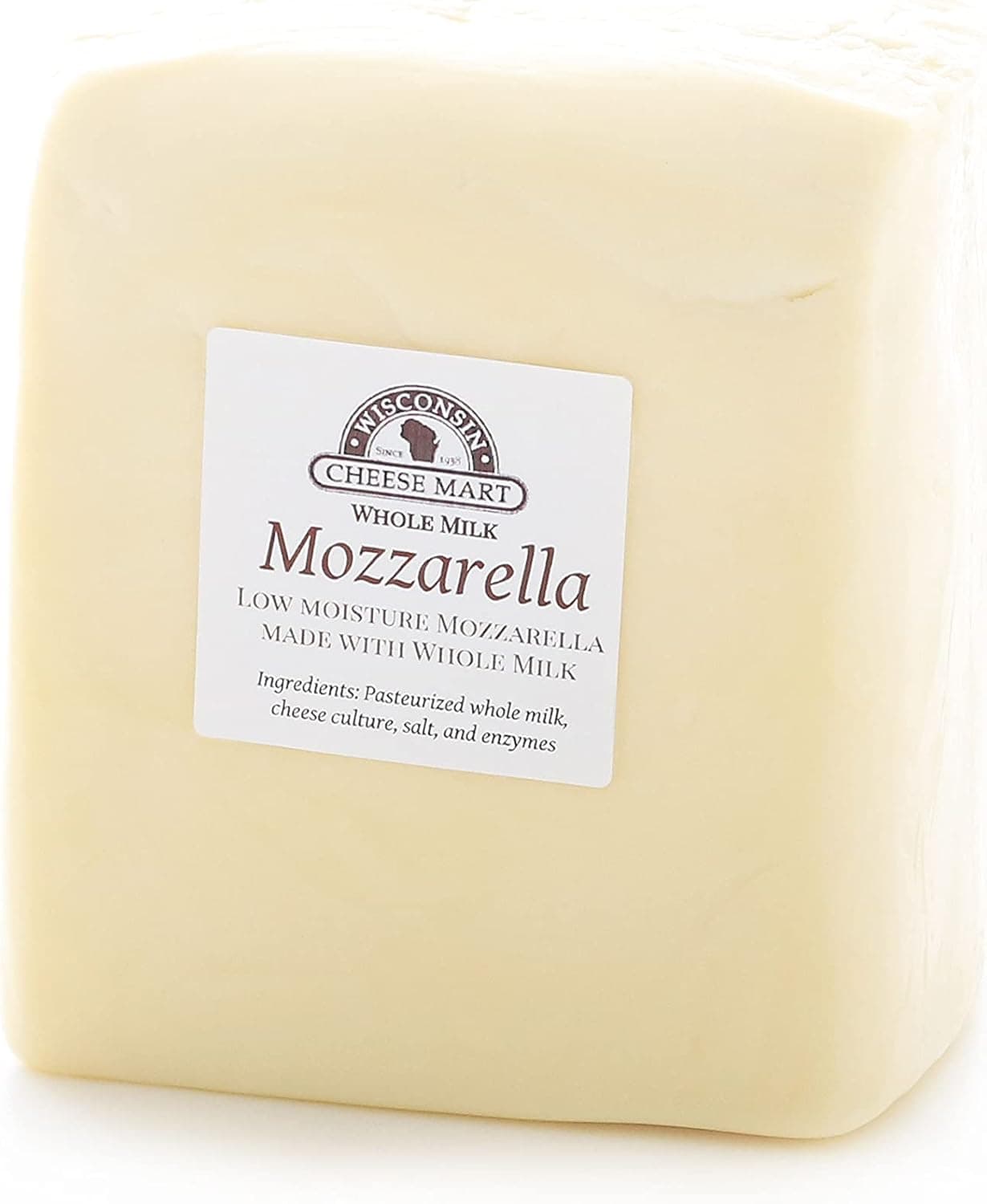
+ Low moisture mozzarella melts without flooding the pizza with water
From our guide: Best Low-Moisture Mozzarella for Homemade Pizza
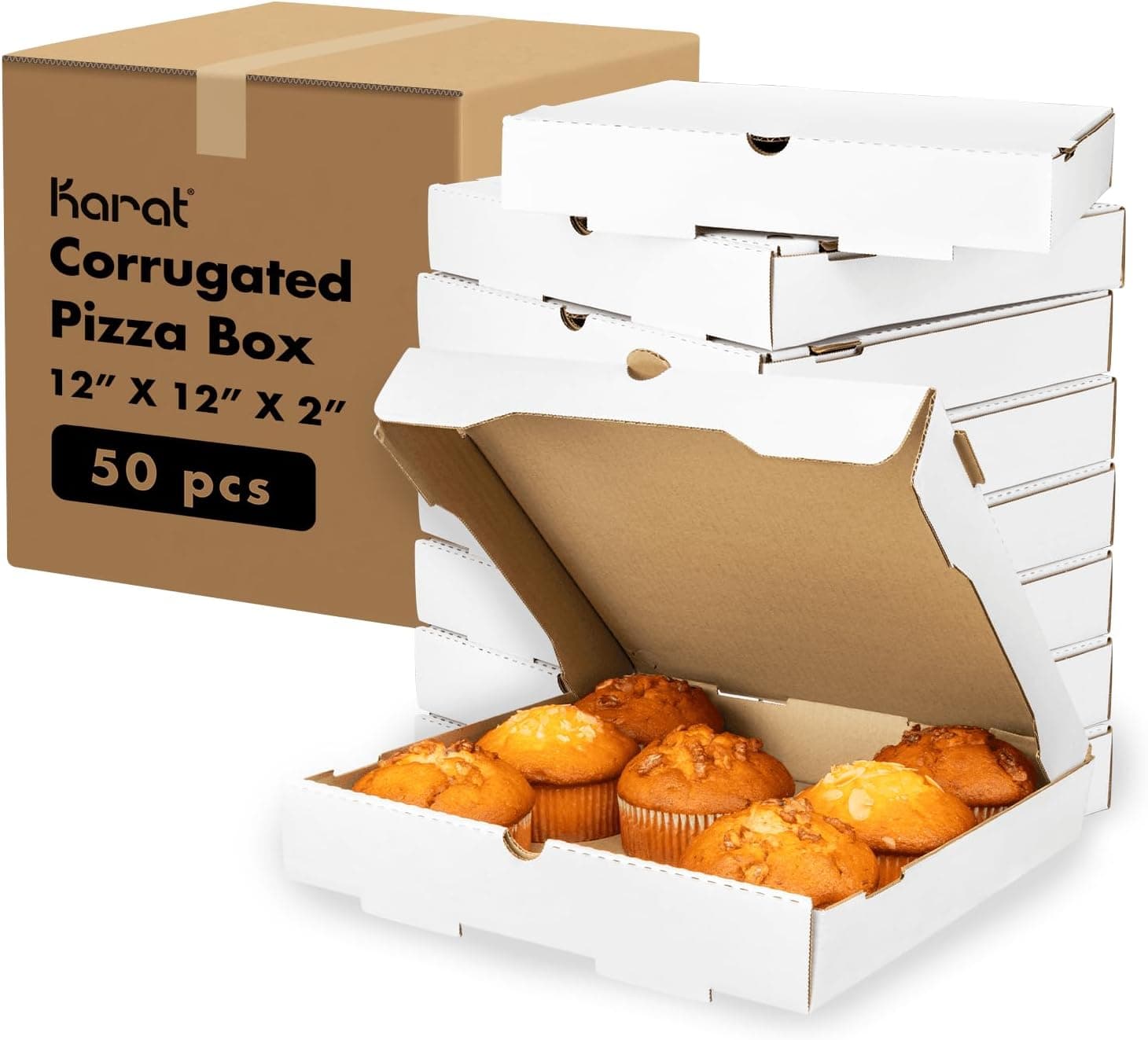
+ Ventilated design lets steam escape so crusts stay crisper
From our guide: Best Pizza Boxes for Home Bakers and Pizza Parties
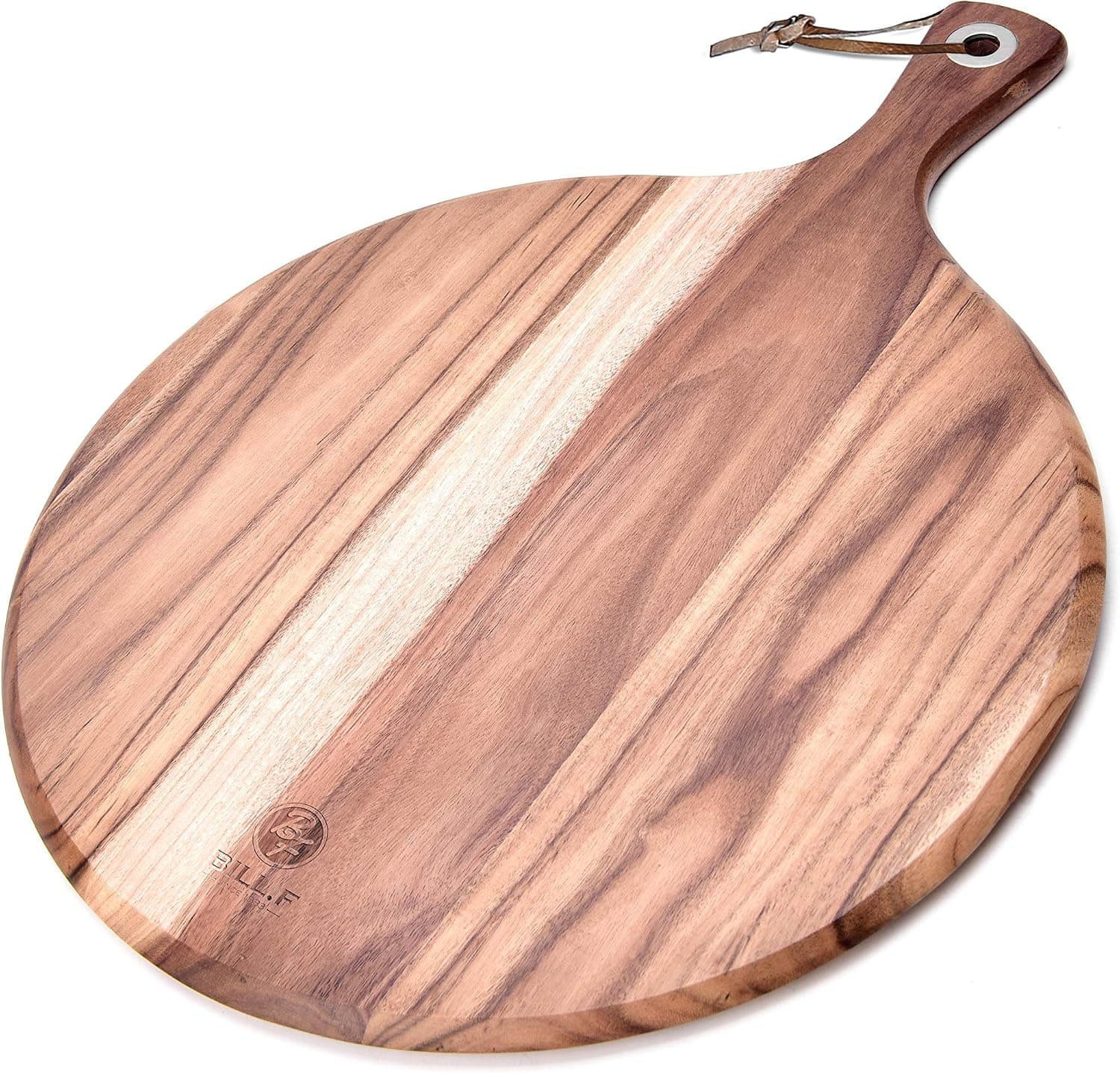
+ Acacia wood looks attractive as a pizza and cheese serving board
From our guide: Best Pizza Serving Boards for the Table
+ Whole milk shreds melt with good stretch and flavor
From our guide: Best Low-Moisture Mozzarella for Homemade Pizza
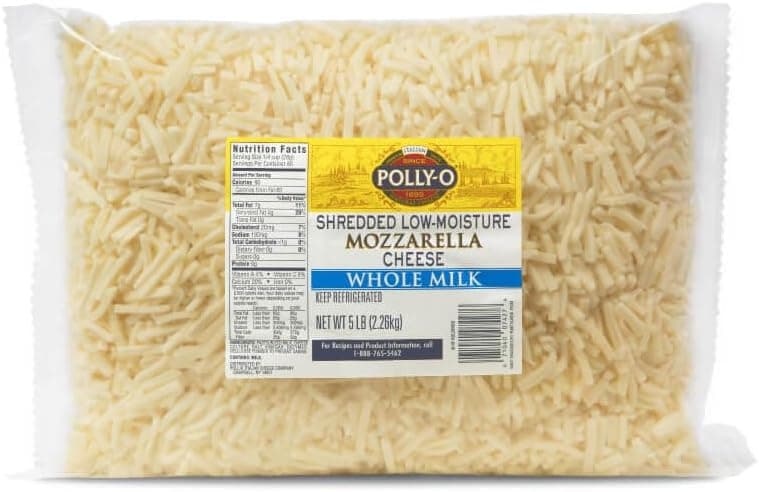
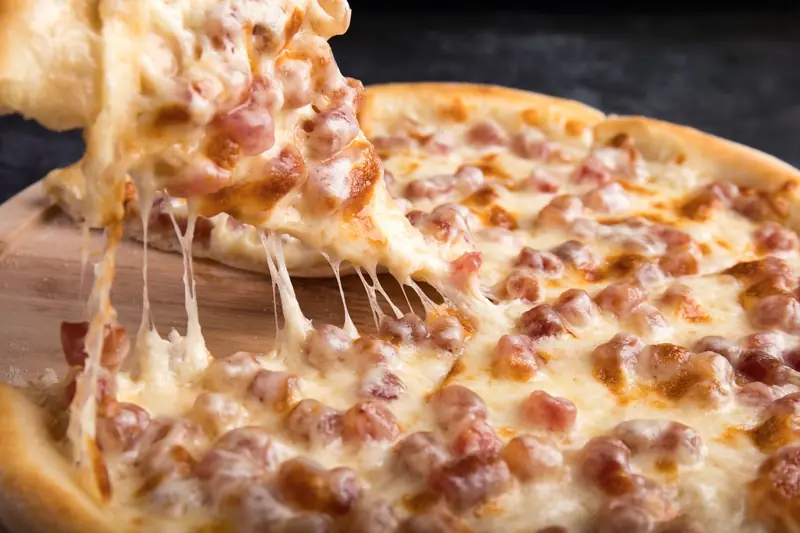
The workhorse of home pizza is low-moisture mozzarella, and the version to buy is whole-milk, in a block, shredded by you. Whole-milk low-moisture mozzarella melts into that glossy, stretchy, gently browned surface people picture when they think of pizza, and its restrained water content protects your crust. Part-skim versions brown faster and turn leathery as they cool. Pre-shredded bags are the real trap: they are coated with cellulose and anti-caking starches that visibly interfere with melting, producing a grainy, matte surface. Two minutes with a box grater is the cheapest upgrade in pizza.
Fresh mozzarella, the milky balls in brine, is a different ingredient for a different job. On a blazing-hot Neapolitan bake it melts into soft, creamy islands in the traditional style; in a nine-minute home oven bake it releases enough water to swamp the pie. If you use it indoors, slice it, press it dry between towels for half an hour, tear it into modest pieces, and consider adding it partway through the bake rather than at the start. Better still, blend: low-moisture mozzarella as the base layer for coverage and stretch, torn fresh mozzarella scattered sparingly on top for creaminess.
Blending is also how you solve mozzarella's one weakness, its mild flavor. A little aged cheese goes a long way: ten to twenty percent provolone brings a gentle sharpness classic to American pizzerias, pecorino romano adds salt and bite, and parmigiano contributes savory depth, best grated on after the bake so it does not scorch. Fontina and Monterey Jack increase creaminess for white pies; a few dots of gorgonzola transform a mushroom pizza. Keep mozzarella at 80 percent or more of the blend so the melt stays cohesive, and reduce added salt elsewhere when using salty aged cheeses.
Match the cheese strategy to your oven and style. High-heat ovens above 400 degrees Celsius favor fresh mozzarella and fast bakes; the cheese barely has time to release water. Home ovens favor low-moisture blends that tolerate longer exposure. Detroit style wants high-fat brick cheese or a mozzarella and jack blend cubed rather than shredded, especially at the edges where it fries against the pan. New York style is a whole-milk low-moisture shred, sometimes cut with provolone. There is no single best pizza cheese, only best pairings of cheese, style, and heat.
Two final habits raise every cheese pizza. First, watch quantity: 80 to 110 grams covers a 30 centimeter pie properly, and doubling it does not double the pleasure, it just insulates the sauce and weeps grease. Second, temperature-stage your cheese: cold cheese straight from the fridge buys you a little extra time before browning in a long bake, while room-temperature cheese suits fast bakes. Keep notes on brands the way you do with flour, because between two blocks labeled identically there can be a whole grade of difference in how your pizza finishes.
Popular right now
- Best Semolina Flour for Pizza Peels and Crispier CrustsBuying guide
- Troubleshooting Soggy Pizza CentersArticle
- Best Low-Moisture Mozzarella for Homemade PizzaBuying guide
- Best Pizza Stone Sets with Peels and AccessoriesBuying guide
- Semolina vs Flour for DustingArticle
- Best Perforated Pizza Peels for Home OvensBuying guide
Based on the last 28 days of search and visitor data.