Cold Fermentation
Published How we research
The single biggest upgrade available to a home pizza maker costs nothing and requires no skill: put your dough in the refrigerator and wait. Cold fermentation, holding dough at 3 to 5 degrees Celsius for one to several days, slows yeast activity to a crawl while enzymes and bacteria keep working, breaking starches into sugars and developing the complex, faintly tangy flavor that separates memorable crust from bland bread. The same dough baked after three hours and after three days is barely recognizable as the same recipe.
Products from this article
The highest-scoring picks from the buying guides this article links to. Scores are our editorial assessment, not customer ratings.
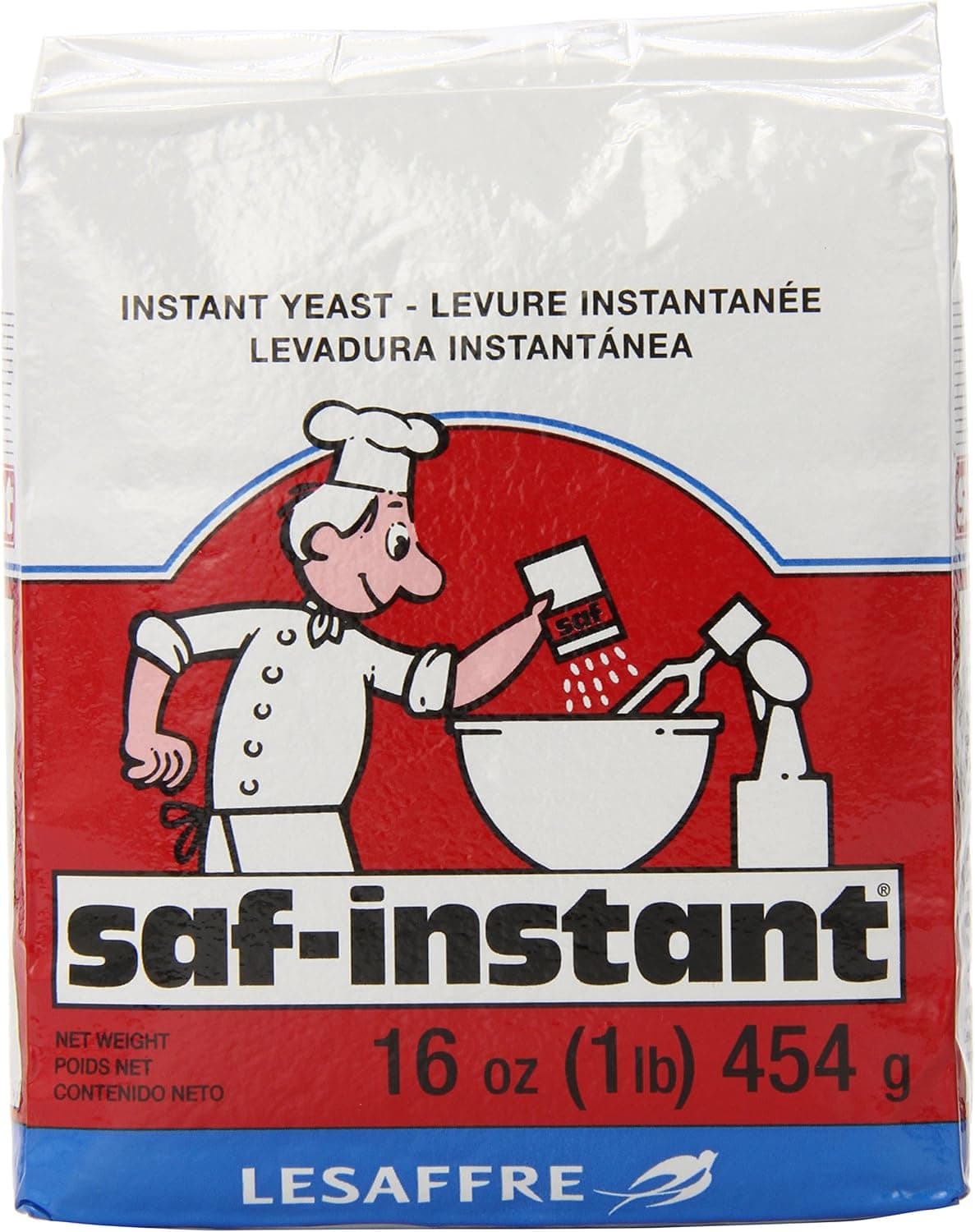
+ Saf-Instant red is a trusted yeast in professional bakeries
From our guide: Best Yeast for Pizza Dough: Instant, Active Dry, and Fresh
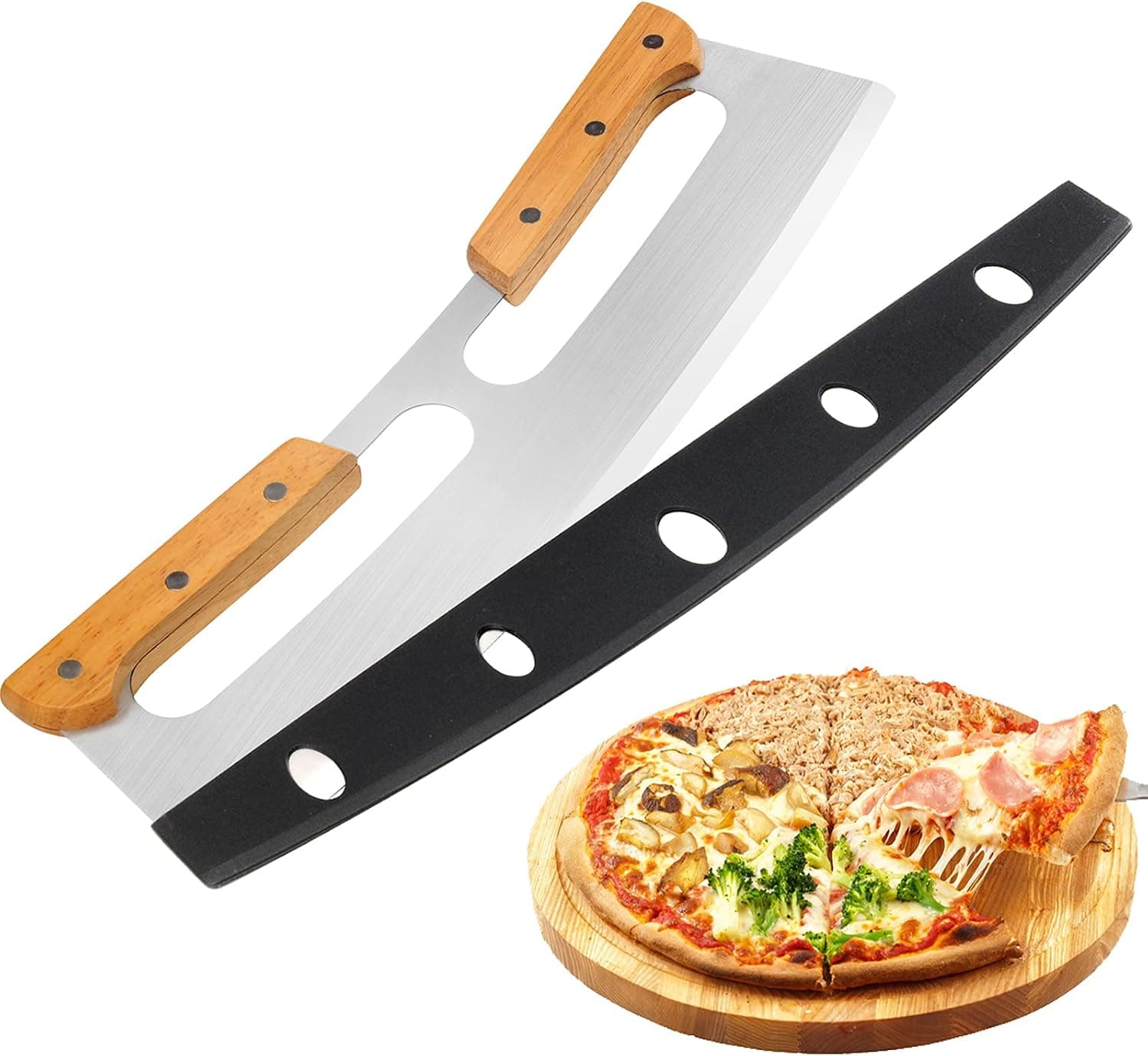
+ Wooden handles give a warm, steady grip for rocking cuts
From our guide: Best Rocker Pizza Cutters for One-Pass Slicing
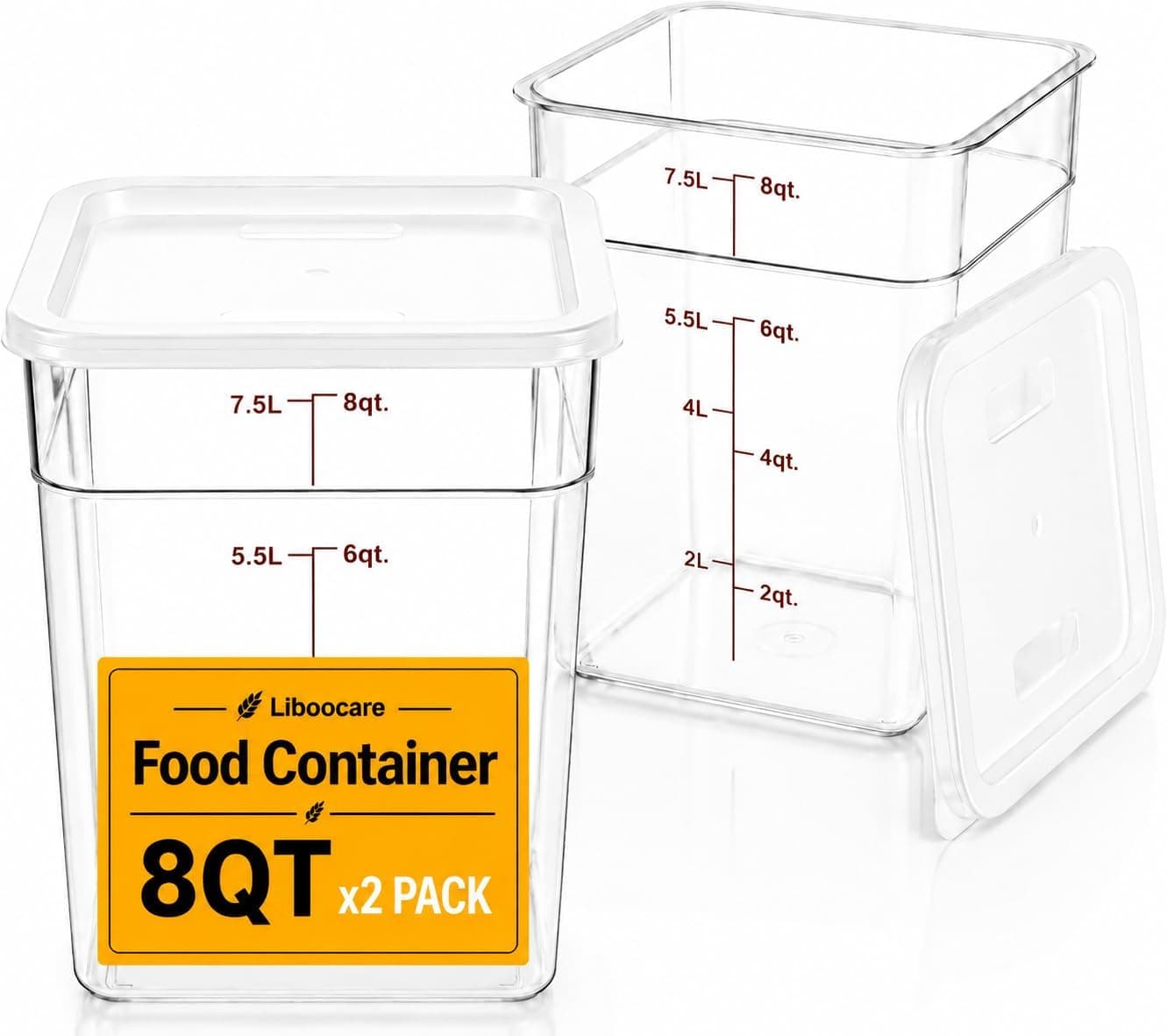
+ 8Qt buckets hold large batches of pizza or bread dough
From our guide: Best Dough Storage Containers for Fermentation
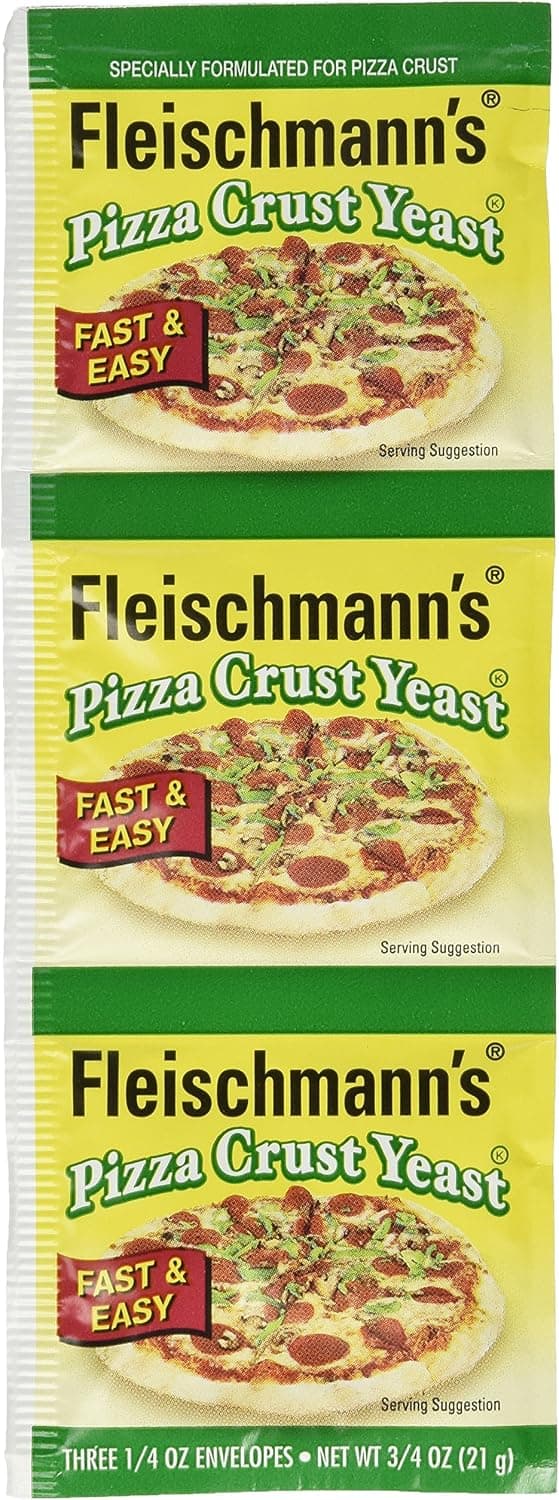
+ 16 Ounce pack is far cheaper per batch than individual pouches
From our guide: Best Yeast for Pizza Dough: Instant, Active Dry, and Fresh

The science is straightforward. Yeast fermentation slows dramatically in the cold, but enzymatic activity, amylases converting starch to sugar, proteases gently relaxing gluten, continues at a useful pace. The accumulating sugars do two things: they feed flavor-producing reactions during the ferment, and they caramelize during the bake, which is why cold-fermented crusts brown more deeply and leopard more readily at the same oven temperature. The protease action also makes the dough more extensible, so day-three dough stretches thin with less fighting than day-one dough.
A practical schedule looks like this. Mix your dough with slightly less yeast than a same-day recipe, around 0.2 to 0.4 percent instant dry yeast against flour weight. Let it rest at room temperature for 30 to 60 minutes so fermentation begins, then either refrigerate in bulk or divide into balls first. Balling before the cold ferment is more convenient, each ball goes into its own lidded container and comes out ready to warm up, while bulk fermenting then balling on baking day gives you slightly more control over the final proof. Both work; pick the one that fits your fridge.
Timing has a sweet spot. Twenty-four hours delivers a clear improvement over same-day dough. Forty-eight to seventy-two hours is where most people find peak flavor and the most cooperative texture. Past four or five days, the dough begins to slacken and turn grey as protease activity overshoots, the gluten weakens, and the flavor can drift from pleasantly complex toward sour and boozy. If life intervenes and your dough hits day five, it will still make decent pizza, but stretch gently and expect less oven spring.
The non-negotiable step is warming up before stretching. Cold dough is tight, tears easily, and bakes into a dense crust because chilled gas expands poorly. Pull your balls from the fridge 1.5 to 2.5 hours before baking, depending on kitchen temperature, and let them come up to at least 15 to 18 degrees Celsius. A properly tempered ball feels relaxed and slightly puffy. This waiting period is the most commonly skipped step in home pizza, and skipping it undoes much of what the long ferment gave you.
A few mistakes to avoid: do not use too much yeast, or the dough will exhaust itself and over-proof even in the cold; do not leave balls uncovered, because fridge air creates a skin that bakes into a leathery patch; and do not judge the method by a single crowded fridge experiment where the dough sat at 8 degrees instead of 4. Get a cheap fridge thermometer, use oiled containers with real lids, and make cold fermentation your default rather than a special occasion technique. It converts planning into flavor at a rate nothing else in pizza matches.
Popular right now
- Best Semolina Flour for Pizza Peels and Crispier CrustsBuying guide
- Troubleshooting Soggy Pizza CentersArticle
- Best Low-Moisture Mozzarella for Homemade PizzaBuying guide
- Best Pizza Stone Sets with Peels and AccessoriesBuying guide
- Semolina vs Flour for DustingArticle
- Best Perforated Pizza Peels for Home OvensBuying guide
Based on the last 28 days of search and visitor data.