Freezing Pizza Dough Balls
Published How we research
The gap between wanting pizza and having dough is the main reason home pizza stays a weekend project, and the freezer closes that gap. Frozen dough balls, made in a relaxed weekend batch and pulled out on demand, turn pizza into a weeknight meal with fifteen minutes of active effort. Freezing dough well requires understanding one thing: you are pressing pause on a living process, and where you pause it determines everything about how it resumes.
Products from this article
The highest-scoring picks from the buying guides this article links to. Scores are our editorial assessment, not customer ratings.
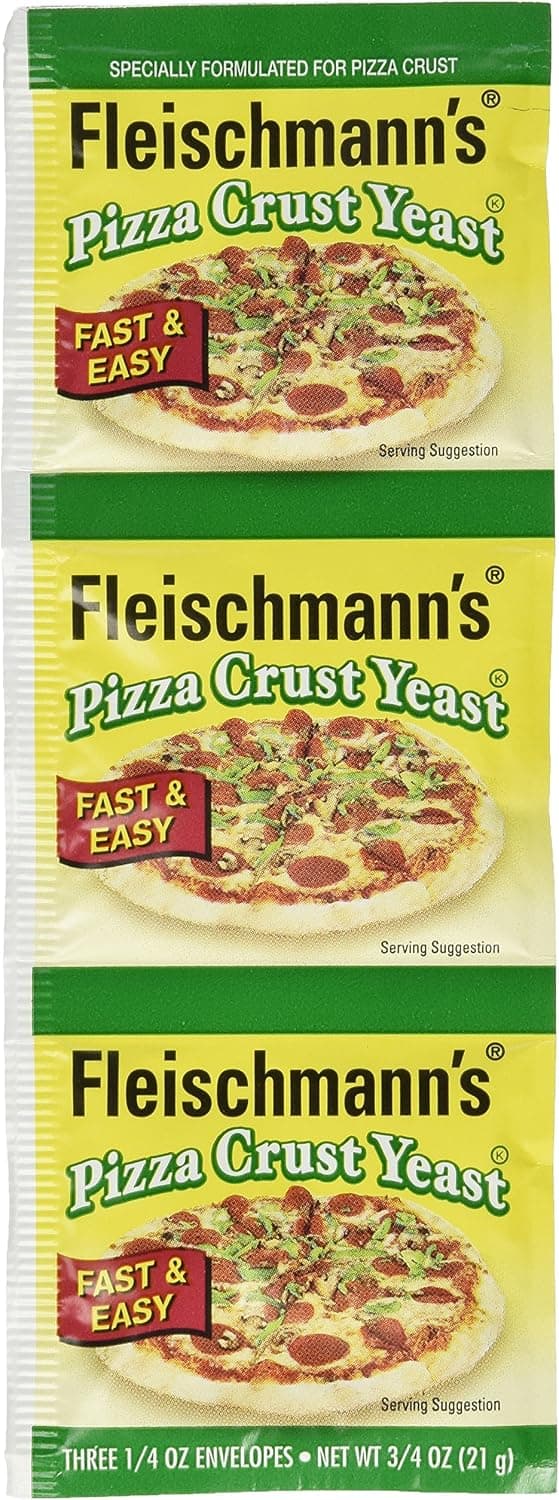
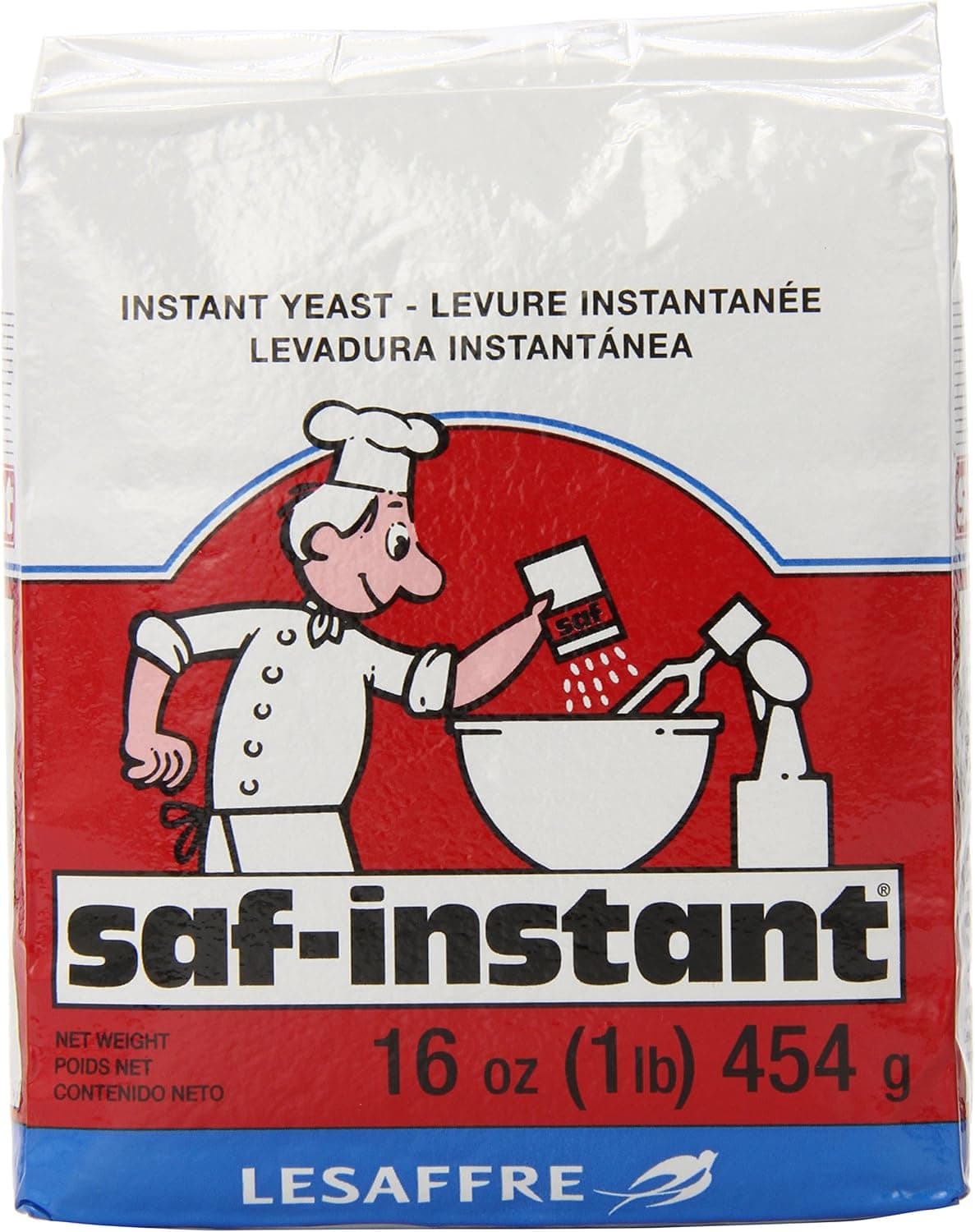
+ Saf-Instant red is a trusted yeast in professional bakeries
From our guide: Best Yeast for Pizza Dough: Instant, Active Dry, and Fresh
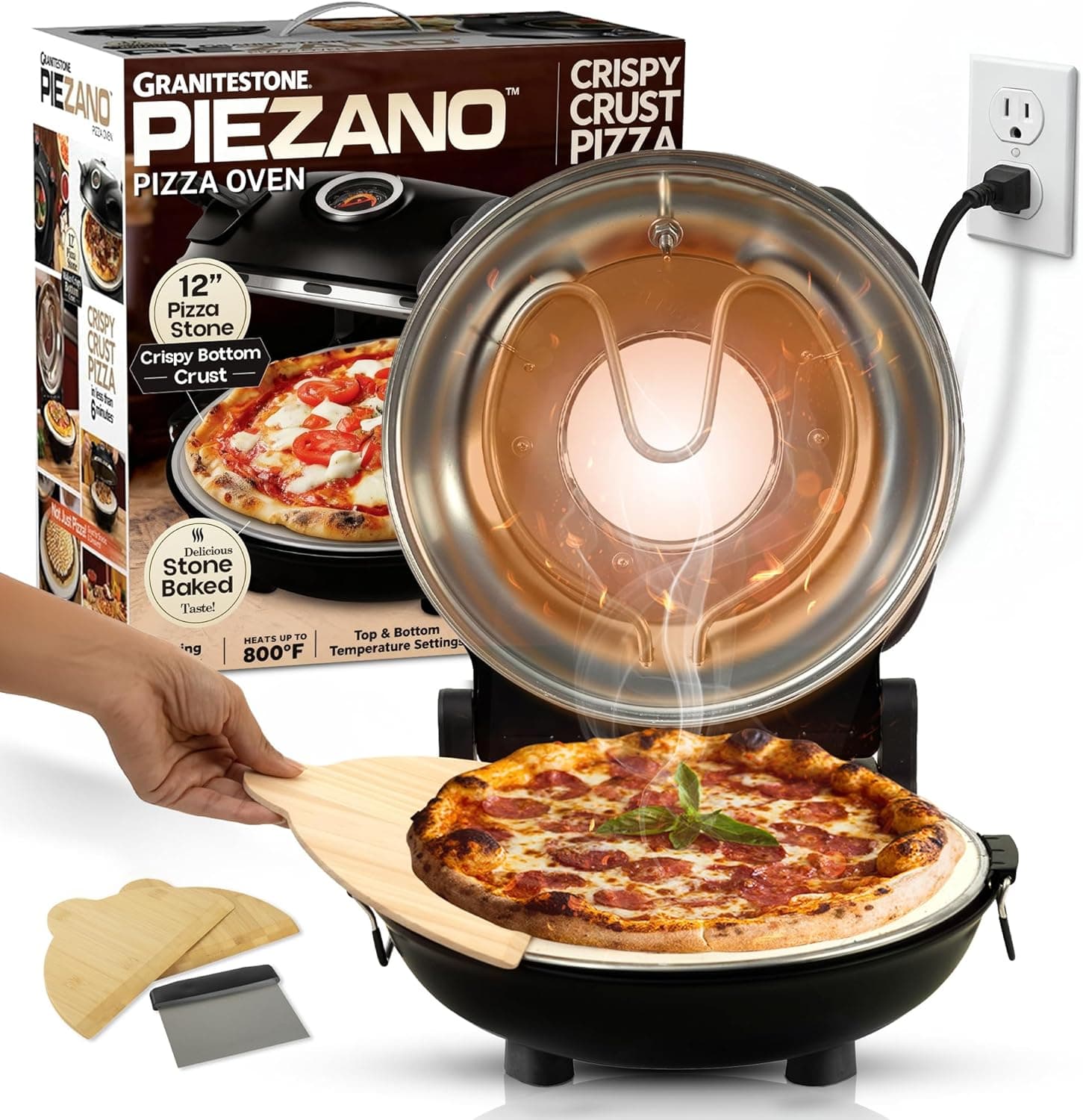
+ 800F rating lets you bake leopard-spotted, thin crust pizza without going outside
From our guide: Best Countertop Pizza Makers for Fast Weeknight Pies
+ 00 flour is finely milled for soft, extensible pizza dough
From our guide: Best Pizza Dough Kits for Easy Homemade Crust
+ 16 Ounce pack is far cheaper per batch than individual pouches
From our guide: Best Yeast for Pizza Dough: Instant, Active Dry, and Fresh


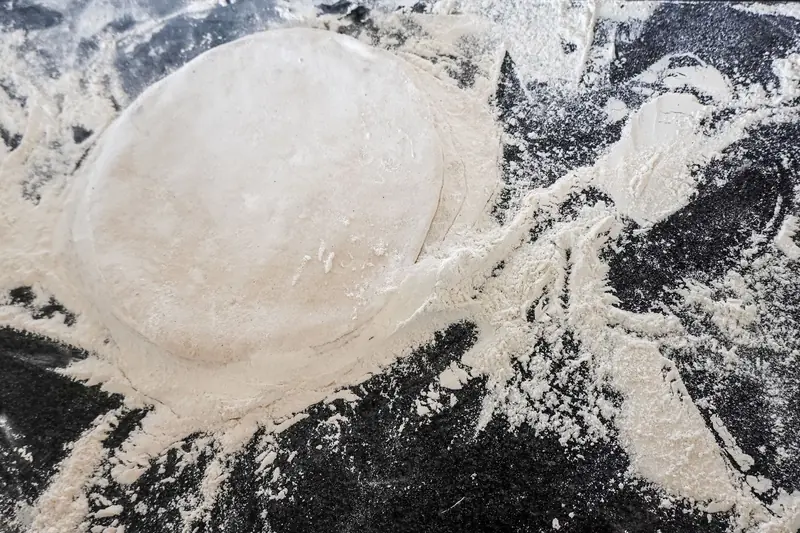
The right moment to freeze is after fermentation has done its flavor work but before the yeast has spent itself. The best practice is to mix and bulk ferment normally, divide and ball, then give the balls a cold ferment in the refrigerator for 24 to 48 hours before freezing. This front-loads the flavor development that cannot happen in the freezer. Freeze at the point you would otherwise have baked; a ball frozen at its peak thaws back to a dough near its peak. Freezing immediately after mixing works but yields noticeably blander crust, while freezing over-proofed dough locks in its exhaustion.
Protect the dough physically. Freezer air is aggressively dry, and an unwrapped ball develops a crusted, freezer-burned skin that bakes into leathery patches. Coat each ball lightly in oil, then either wrap tightly in plastic and bag it, or seal it in an individual airtight container just larger than the ball. Individual packaging is the point: pizza emergencies rarely require six balls at once, and a frozen cluster is inseparable. Label with the date and the recipe, because three months later every frozen sphere looks identical. Quality holds well for about three months; the dough is safe far longer but slowly loses rising power as ice crystals damage the yeast.
Thawing is a schedule, not an event, and the refrigerator is the correct instrument. Move a ball from freezer to fridge the night before, or the morning of, pizza day; it needs eight to twelve hours to thaw evenly. Then treat it like any cold-fermented ball: one and a half to two hours at room temperature to warm, relax, and resume a gentle final proof. The countertop shortcut, thawing at room temperature in two to three hours, works when you decide about pizza at lunchtime, but watch it closely, since the outside can warm and over-proof while the core is still cold. The microwave defrost setting is where dough goes to die.
Expect small, honest differences in the result. Freezing kills a fraction of the yeast and ice crystals nick the gluten network, so a frozen-and-thawed ball typically shows slightly less oven spring and a marginally denser rim than its fresh twin. Two adjustments compensate almost entirely: use a modest bump of yeast in batches destined for the freezer, around a quarter more than usual, and give thawed balls a fuller final proof, judging by puffiness rather than the clock. Blind taste tests around most dinner tables cannot pick out the frozen ball once these tweaks are in place.
Build the habit around batch logic. Whenever you make dough, double it, bake what the evening needs, cold ferment the rest a day or two, and freeze the surplus in singles. A freezer that always holds four labeled dough balls changes your relationship with pizza: a Tuesday craving becomes Tuesday pizza, guests on short notice become a pizza night, and the skill-building repetitions that improve your hands arrive weekly instead of monthly. The freezer does not just store dough; it stores momentum.
Popular right now
- Best Semolina Flour for Pizza Peels and Crispier CrustsBuying guide
- Troubleshooting Soggy Pizza CentersArticle
- Best Low-Moisture Mozzarella for Homemade PizzaBuying guide
- Best Pizza Stone Sets with Peels and AccessoriesBuying guide
- Semolina vs Flour for DustingArticle
- Best Perforated Pizza Peels for Home OvensBuying guide
Based on the last 28 days of search and visitor data.