Using Your Grill as a Pizza Oven
Published How we research
Grills produce heat mostly from below, unlike a pizza oven's hot floor and hot dome, so every setup fixes that imbalance by raising the stone off direct flame and trapping hot air under the lid. On gas grills, preheat with all burners high until the stone hits 300C or more, then turn off the burner under the stone for indirect baking, keeping the lid closed except to launch and turn. Charcoal offers more character with a two-zone fire and real smoke flavor from added wood chunks. Direct-grilled dough skips the stone for a fast, crackery flatbread style. A grill struggles above 350C stone temperature; that's the signal a dedicated oven may be worth it. Before you buy a pizza oven, look at what may already be on your patio. A decent gas or charcoal grill reaches temperatures a kitchen oven cannot, holds a baking stone comfortably, and with the right setup produces pizza that embarrasses delivery. Grilled pizza will not perfectly replicate a dedicated oven, the heat geometry is wrong in one important way, but as a proving ground for your dough skills and a summer workhorse, the grill deserves far more respect than it gets.
Products from this article
The highest-scoring picks from the buying guides this article links to. Scores are our editorial assessment, not customer ratings.
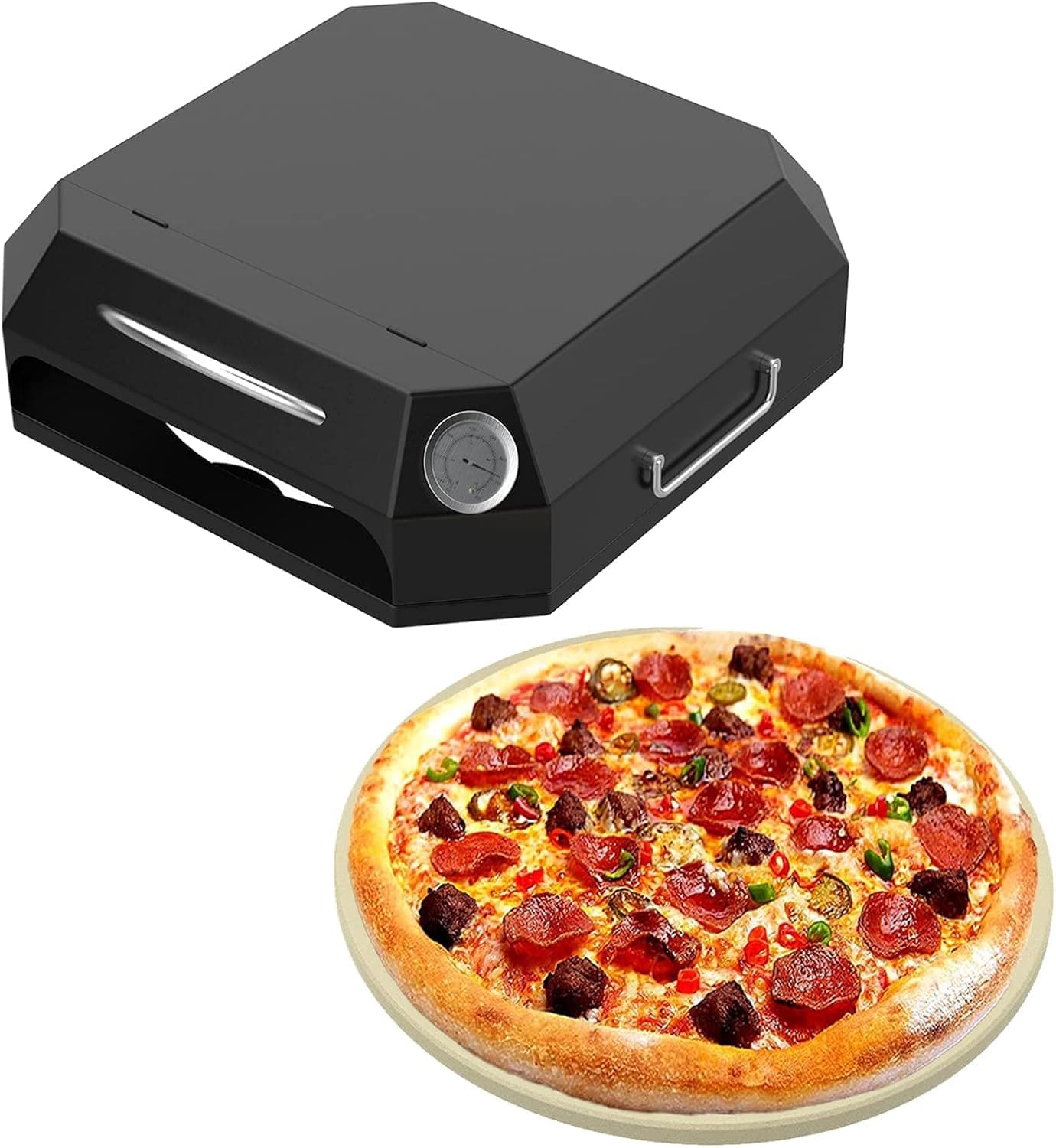
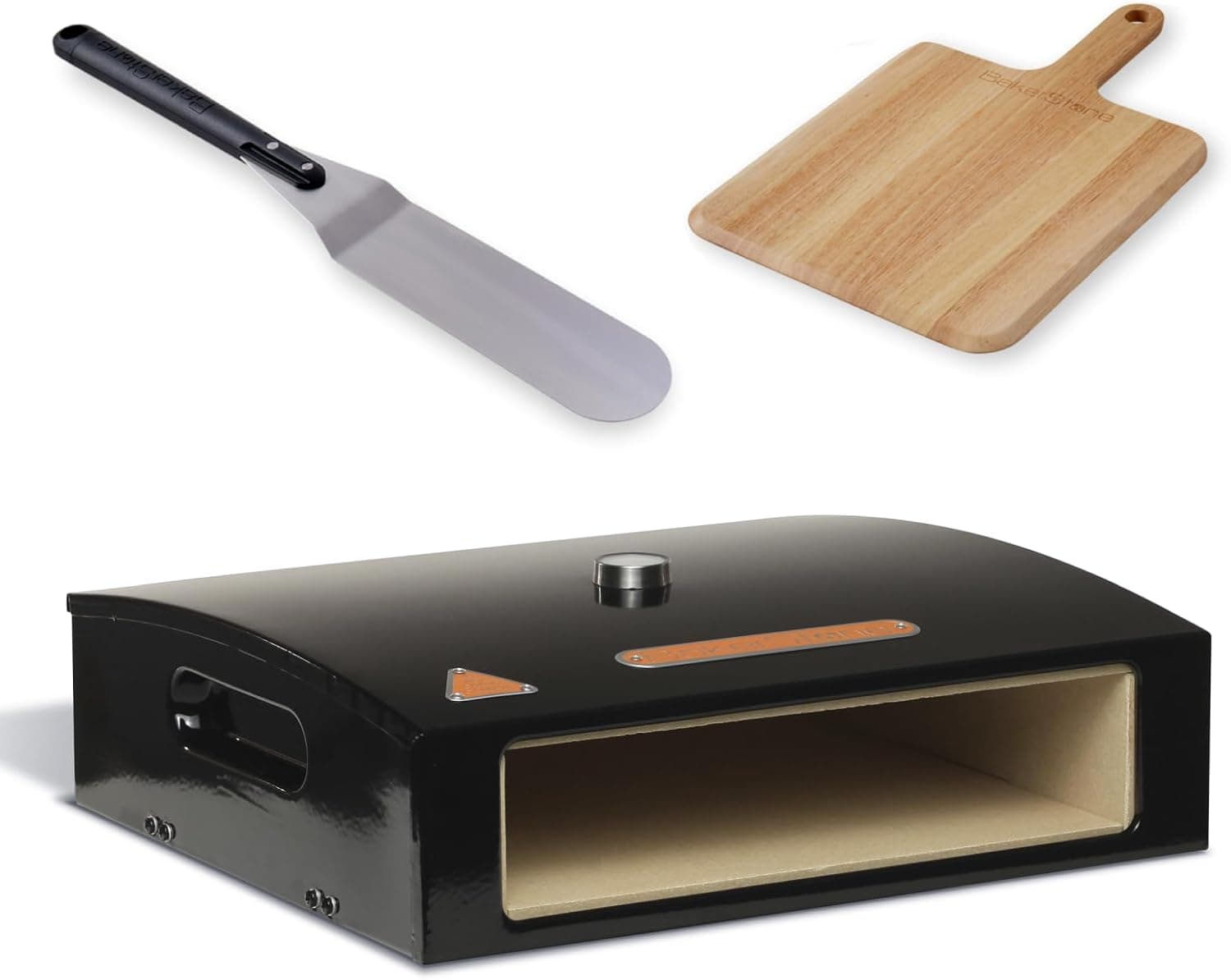
+ 5-sided stone chamber surrounds the pizza with radiant heat on a grill
From our guide: Best Grill-Top Pizza Ovens: Turn Your Grill Into a Pizzeria
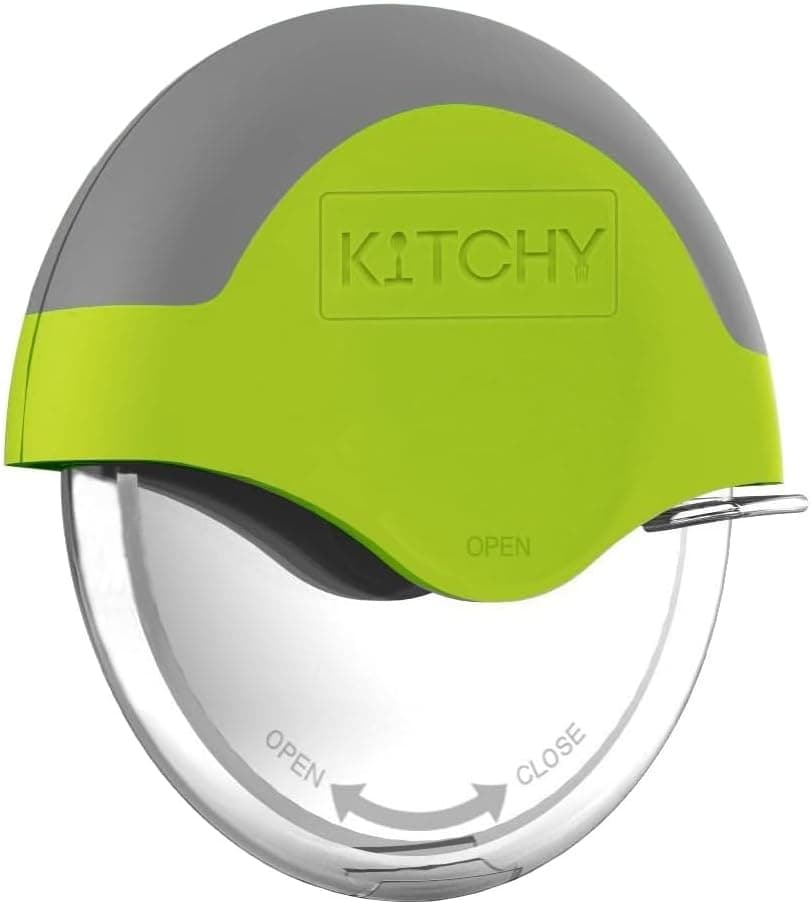
+ Blade cover protects fingers and keeps the wheel sharp in a drawer
From our guide: Best Gifts for Pizza Lovers
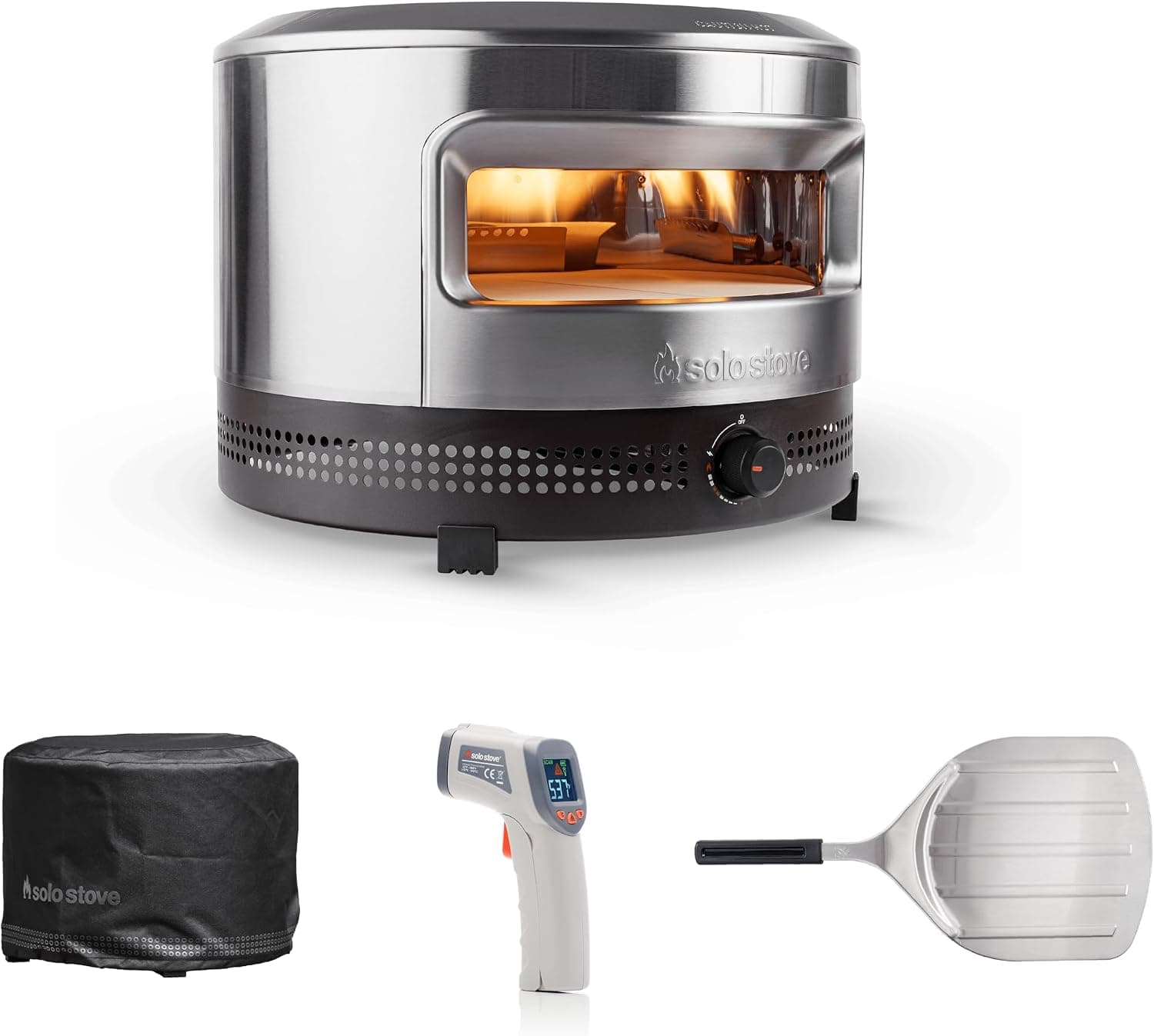
+ IR thermometer included to read true stone temperature before launching
From our guide: Best Portable Pizza Ovens for Camping and Travel
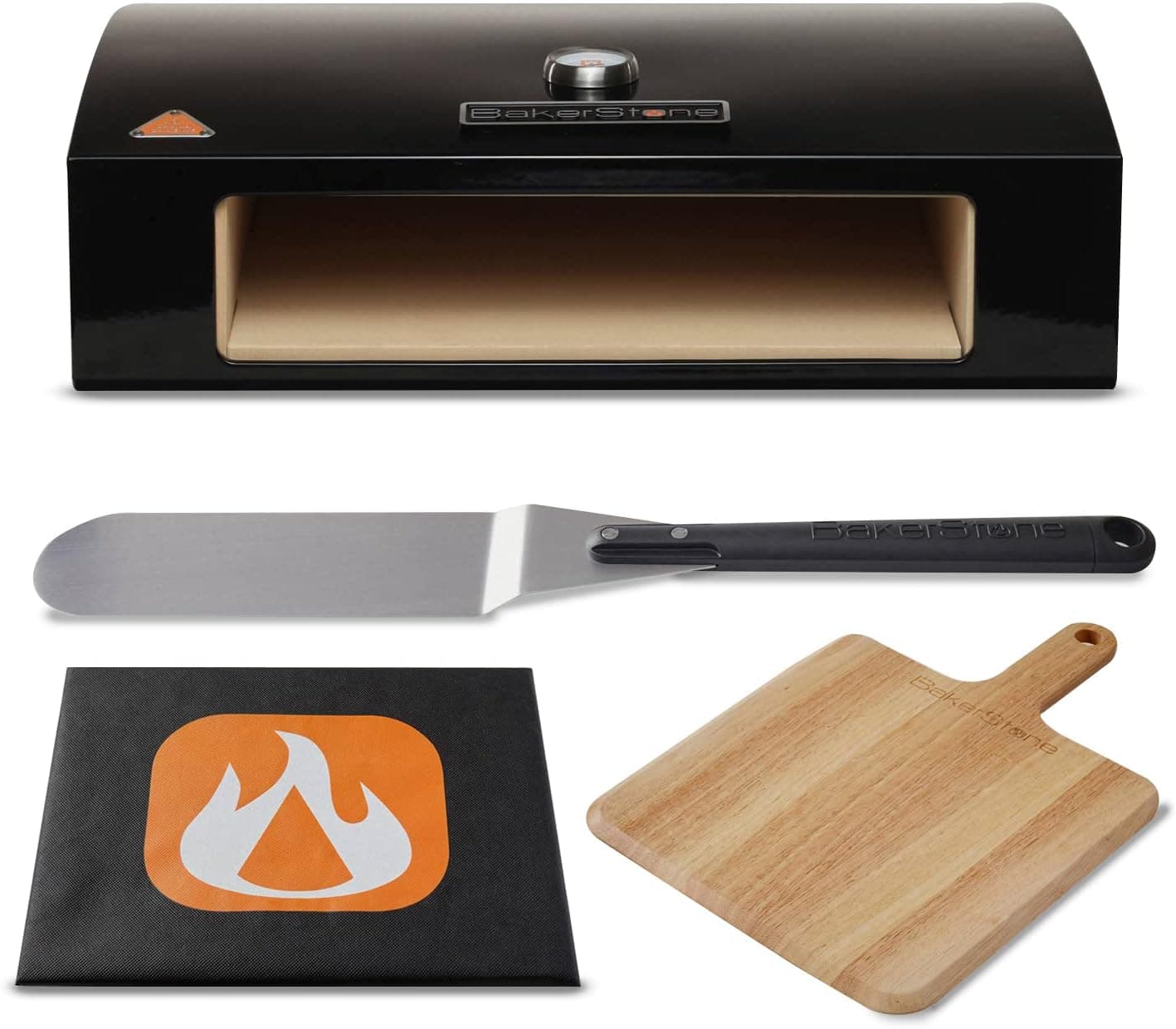
+ Basic Series keeps the 5-sided stone chamber at a lower price
From our guide: Best Grill-Top Pizza Ovens: Turn Your Grill Into a Pizzeria
The fundamental challenge: heat comes from below
The fundamental challenge is that grills produce nearly all their heat from below. A pizza oven bakes with a hot floor and a hot dome reflecting heat onto the toppings; a grill offers a scorching grate and a comparatively cool lid, which is a recipe for charred bases under pale, unmelted cheese. Every good grill-pizza setup is an attempt to fix that imbalance: raising the stone away from direct flame, building indirect heat zones, and trapping as much hot air under the lid as possible. Keep that principle in mind and the specific techniques all make sense.
The reliable gas grill setup
For gas grills, the reliable setup is a thick stone or steel on the grate with the burners arranged for indirect heat. Preheat with all burners high and lid closed for 20 to 30 minutes until the stone reads 300 degrees Celsius or more, then turn off or reduce the burner directly beneath the stone, keeping the outer burners high. The stone bakes the base with stored heat while the surrounding burners keep the dome air working on the top. Keep the lid closed except for launching and turning: every peek dumps the hot air you spent minutes accumulating, and top heat is your scarcest resource.
Charcoal takes more management, gives more character
Charcoal takes more management and gives more character. Bank a full chimney of lit coals into a two-zone fire, coals on one side, stone on the other, and let the stone charge under a closed lid. The pizza bakes over the cool zone while radiant heat rolls across from the coals; rotate the pie so the coal-facing edge does not overbake. A handful of wood chunks on the coals adds genuine smoke flavor, something even expensive pizza ovens barely deliver, because grill bakes run four to eight minutes rather than ninety seconds, long enough for smoke to register. This is grilled pizza's honest advantage; lean into it.
Direct-grilled pizza skips the stone entirely
There is also the direct-grilled style, which skips the stone entirely and is its own dish. Stretch a slightly sturdier dough, oil it lightly, and lay it straight on the grate over medium heat. In two or three minutes the underside sets with handsome grill marks; flip it, quickly dress the cooked side with sauce, cheese, and pre-cooked toppings, then close the lid to melt while the second side crisps. The result, closer to a crackery flatbread than a Neapolitan round, is fast, forgiving, and spectacular with summer toppings, and it teaches dough handling under pressure better than almost any exercise.
Know the limits and the upgrade signal
Be honest about the limits and the crossover point. A grill struggles above 350 degrees of true stone temperature, recovery between pies is slow, and the missing dome heat means leopard-spotted Neapolitan rims are out of reach. If you find yourself baking weekly, fighting the lid, and dreaming of 60 second pies, that is the signal a dedicated oven will pay for itself in satisfaction. Until then, a 40 dollar stone on the grill you already own is the cheapest ticket into serious outdoor pizza, and the skills transfer completely when you do upgrade.
Frequently asked questions
Can I use my gas grill as a pizza oven? Yes. Put a thick stone or steel on the grate, preheat with all burners high until it reads 300C or more, then turn off the burner directly beneath the stone for indirect heat while keeping outer burners high.
How do you get smoke flavor in grilled pizza? Add a handful of wood chunks to charcoal, since grill bakes run four to eight minutes rather than ninety seconds, long enough for real smoke flavor to register, unlike most dedicated pizza ovens.
What is direct-grilled pizza? A style that skips the stone entirely: a sturdier dough is oiled and laid straight on the grate, flipped after a few minutes, dressed with toppings, then finished under the closed lid.
When should I upgrade from a grill to a dedicated pizza oven? When a grill struggles to exceed 350 degrees of stone temperature, recovery between pies feels slow, and you find yourself baking weekly and wanting faster, hotter results.
Quick answers
Can you use a charcoal grill as a pizza oven?
Yes. Preheat a pizza stone or steel on the grate over a hot fire with the lid closed, bank coals to the sides or back, and launch the pizza once the stone surface is very hot.
Popular right now
- Best Semolina Flour for Pizza Peels and Crispier CrustsBuying guide
- Troubleshooting Soggy Pizza CentersArticle
- Best Low-Moisture Mozzarella for Homemade PizzaBuying guide
- Best Pizza Stone Sets with Peels and AccessoriesBuying guide
- Semolina vs Flour for DustingArticle
- Best Perforated Pizza Peels for Home OvensBuying guide
Based on the last 28 days of search and visitor data.