Hosting a Pizza Night
Published How we research
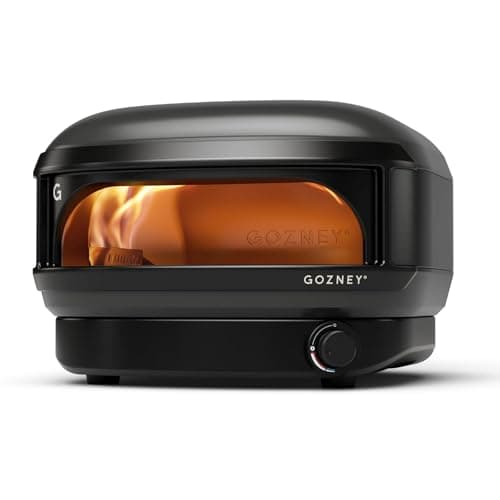
Pizza night is the best kind of dinner party, interactive, casual, endlessly customizable, and it fails in one specific way: the host disappears into a cloud of flour and stress while guests eat in shifts and the kitchen becomes a disaster zone. The difference between that evening and a great one is not cooking skill; it is planning the event like a tiny restaurant service. An hour of preparation thinking buys you a night where you actually attend your own party.
Products from this article
The highest-scoring picks from the buying guides this article links to. Scores are our editorial assessment, not customer ratings.
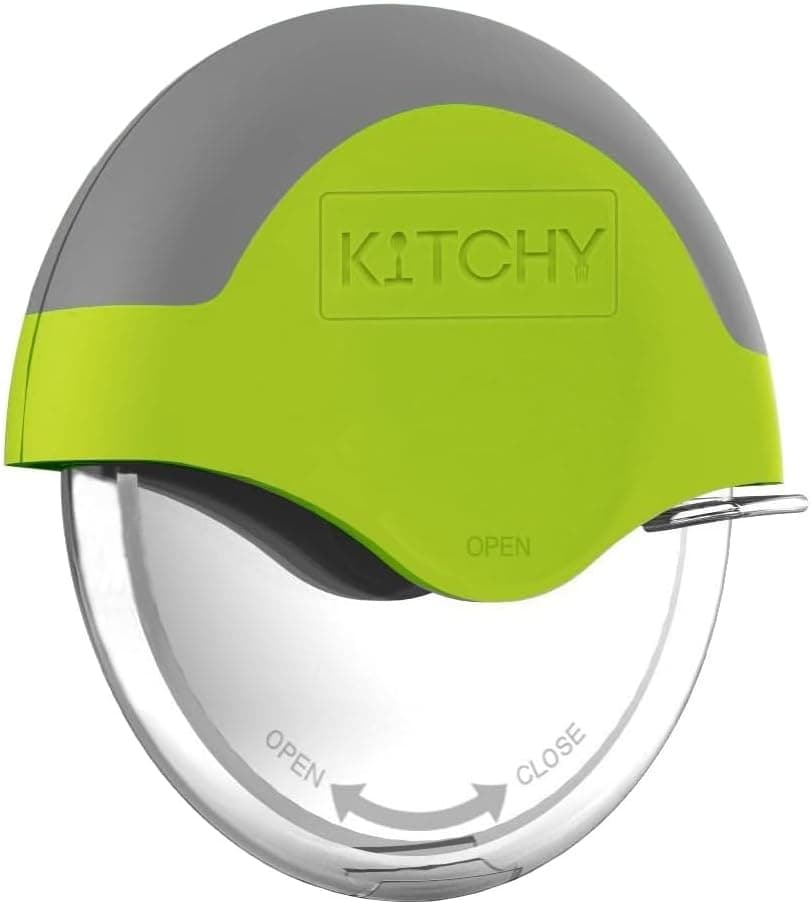
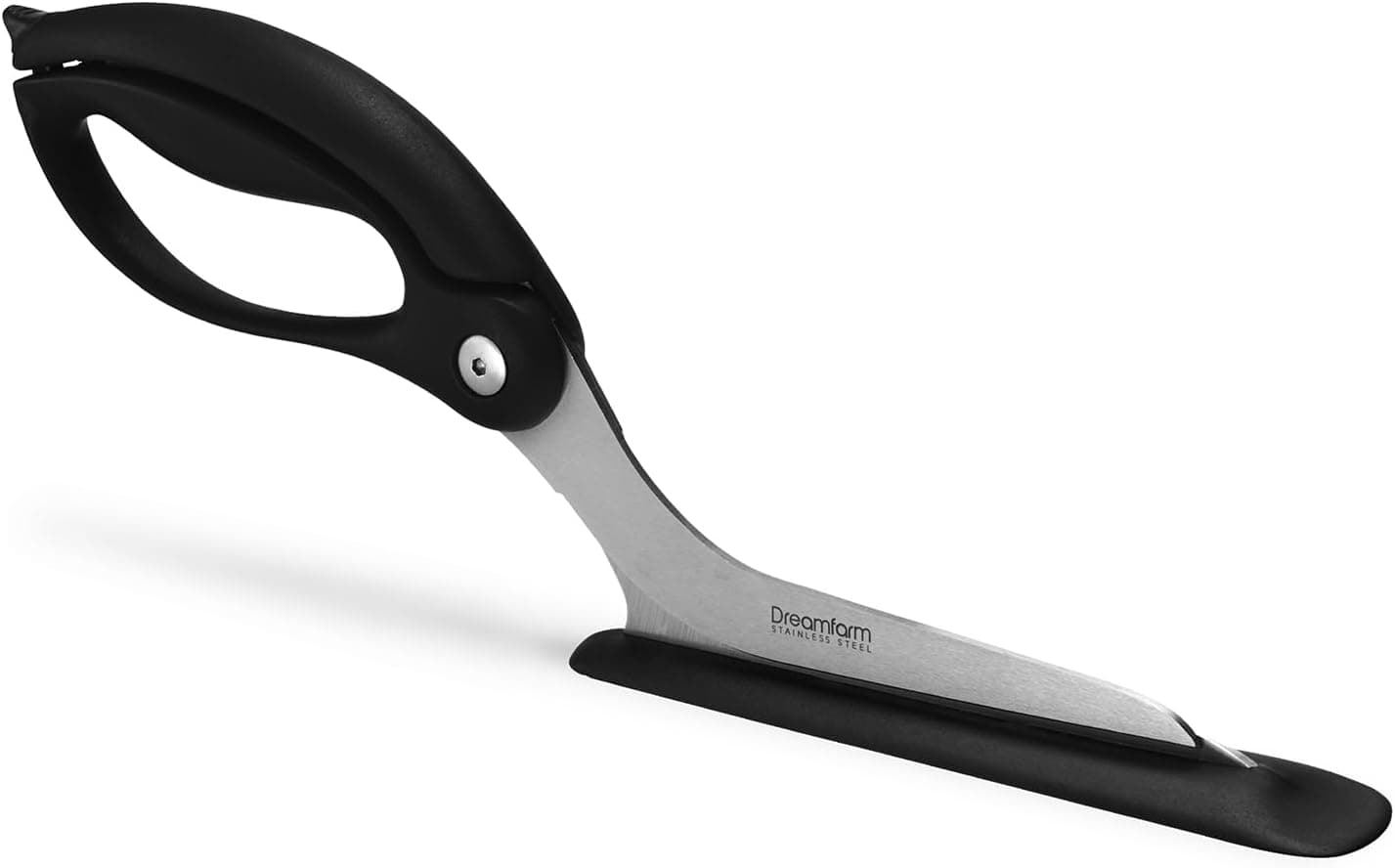
+ Blade cover protects fingers and keeps the wheel sharp in a drawer
From our guide: Best Gifts for Pizza Lovers
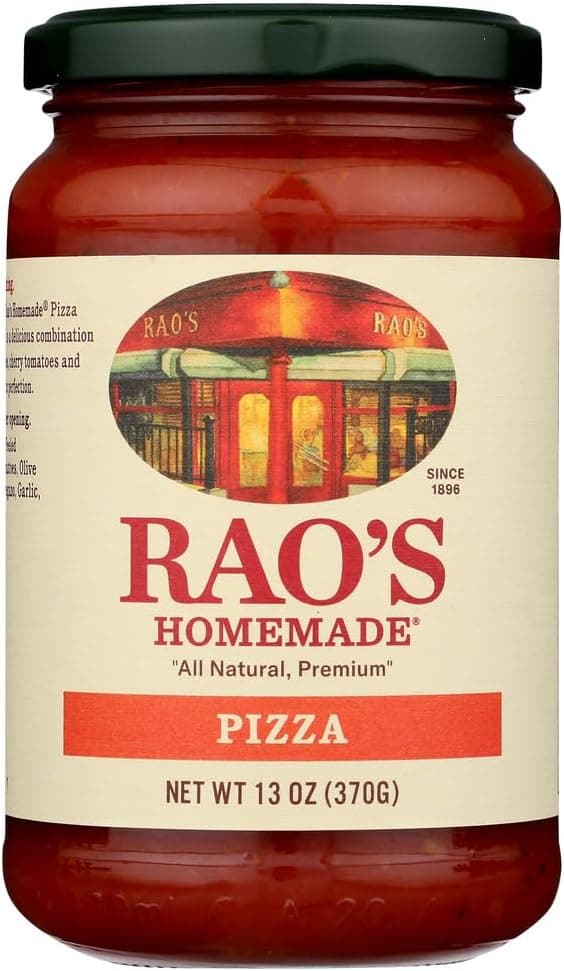
+ Rao's premium sauce brand is known for simple, tomato-forward jars
From our guide: Best Pizza Sauce Brands Worth Buying in a Jar
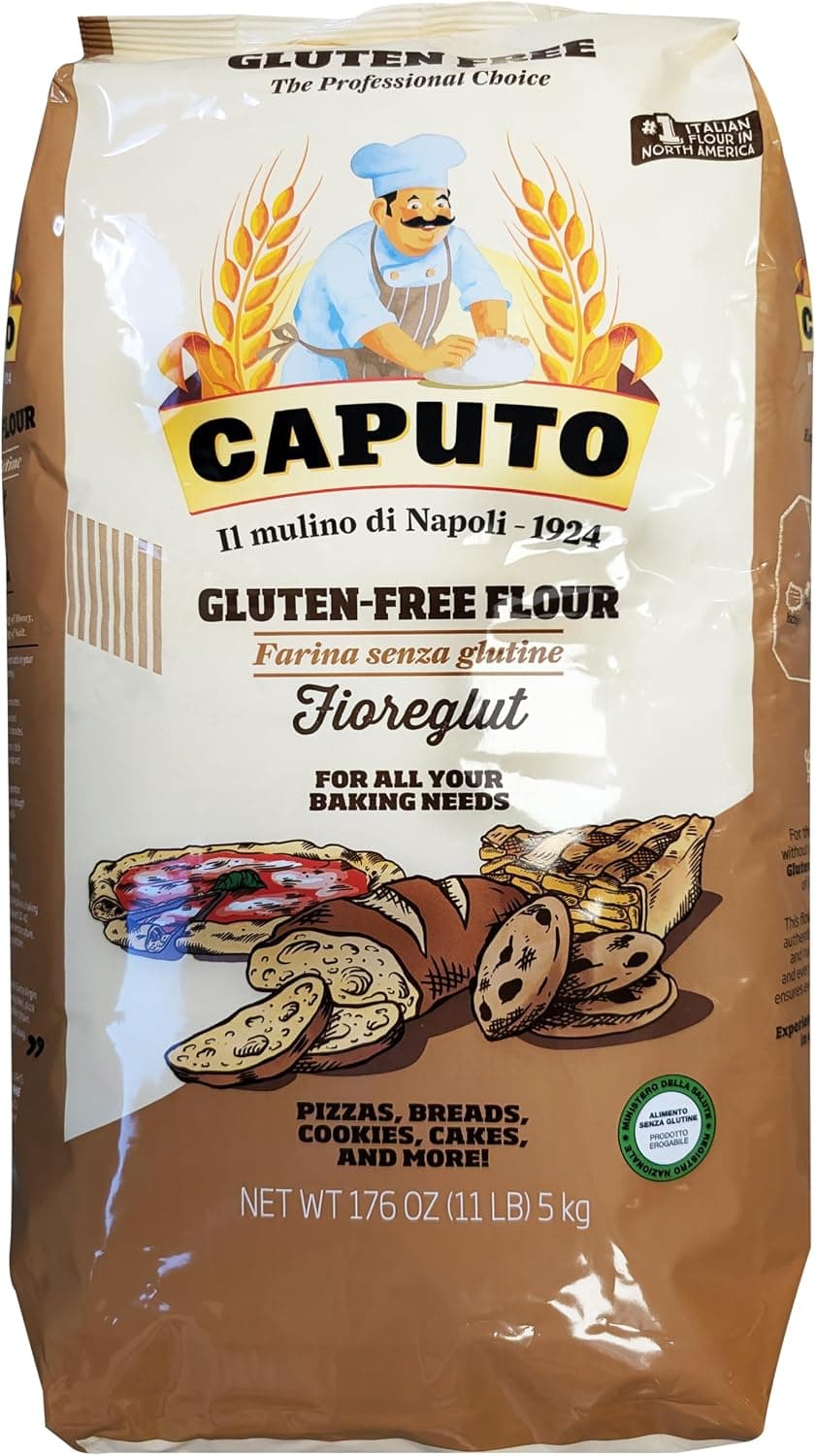
+ 11 Lb bulk bag lowers cost per pizza for regular bakers
From our guide: Best Gluten-Free Pizza Flour That Actually Bakes Like Dough
+ Scissors cut right on the stone or pan without scratching surfaces
From our guide: Best Gifts for Pizza Lovers
Start with the math. Plan one 250 gram dough ball per adult, which yields a 28 to 30 centimeter pizza, plus twenty to thirty percent extra for seconds, failures, and teenagers. For ten guests, that means twelve to thirteen balls. Make the dough one to three days ahead and cold ferment it; this is not just a flavor upgrade but a logistics one, since the work is done before anyone arrives. On the day, pull balls from the fridge about two hours before the first bake, spaced on floured trays with room to relax. Nothing sabotages a pizza night faster than cold, tight dough fighting you in front of an audience.
Build a topping station with the discipline of a salad bar. Sauce in a squeeze bottle or with a dedicated ladle, cheese pre-shredded in a large bowl, and six to ten toppings in small bowls with spoons, all prepped before guests arrive: meats pre-cooked, vegetables sliced and drained, herbs picked. Fewer, better options beat a sprawling buffet, and a small sign or a couple of suggested combinations gently steers guests away from the eight-topping monster pie that will not bake properly. Keep a clear lane between the station and the oven, and station the flour and peels at the build end.
Decide honestly who stretches and who launches. Letting guests stretch their own dough is wonderful entertainment and produces holes, tears, and twenty-minute delays; letting them top a pre-stretched base gets ninety percent of the fun with ten percent of the chaos. Most experienced hosts settle on this hybrid: the host or a confident friend stretches and launches, guests design. If children are present, give them their own dough balls early, accept that the results are craft projects, and bake them cheerfully first.
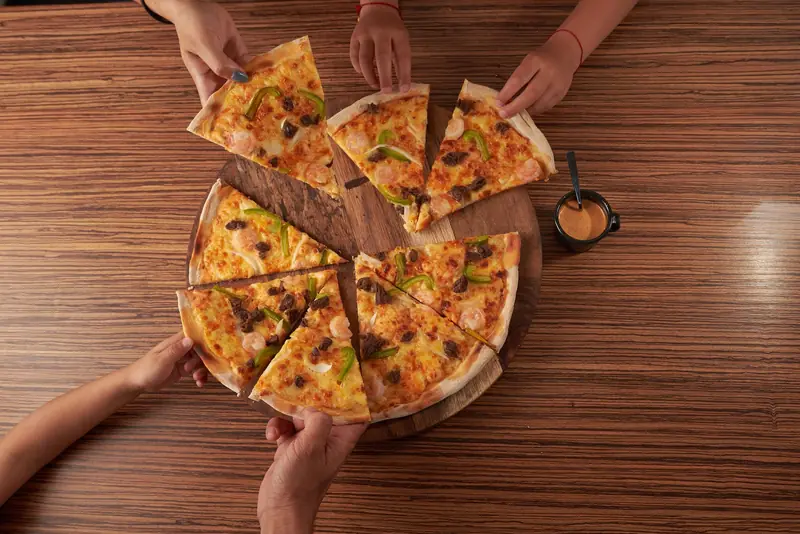
Run the oven like a station, not a spectacle. Preheat fully before the first guest expects food, and sequence pies continuously rather than baking one, chatting, and letting the oven idle. A small pizza oven produces a pie every three to five minutes including recovery time, so a dozen pizzas is a solid hour of baking; start earlier than feels natural. Cut each finished pizza into six or eight slices and put it on a shared board immediately, buffet style, rather than plating whole pies per person. Shared slices keep everyone eating continuously and take the pressure off any single bake.
Finally, protect the host. Prep a marinara and a margherita as your first two pies to feed early arrivals and calibrate the oven while attention is low. Delegate one friend to drinks and another to running boards from oven to table. Stop making dough-based decisions after your second glass of wine. And when the last pie is out, close the oven, let the cleanup wait, and sit down; the mark of a successful pizza night is not a spotless kitchen but a host who got to eat a slice of their own pizza while it was still hot.
Popular right now
- Best Semolina Flour for Pizza Peels and Crispier CrustsBuying guide
- Troubleshooting Soggy Pizza CentersArticle
- Best Low-Moisture Mozzarella for Homemade PizzaBuying guide
- Best Pizza Stone Sets with Peels and AccessoriesBuying guide
- Semolina vs Flour for DustingArticle
- Best Perforated Pizza Peels for Home OvensBuying guide
Based on the last 28 days of search and visitor data.