Neapolitan Dough Basics
Published How we research
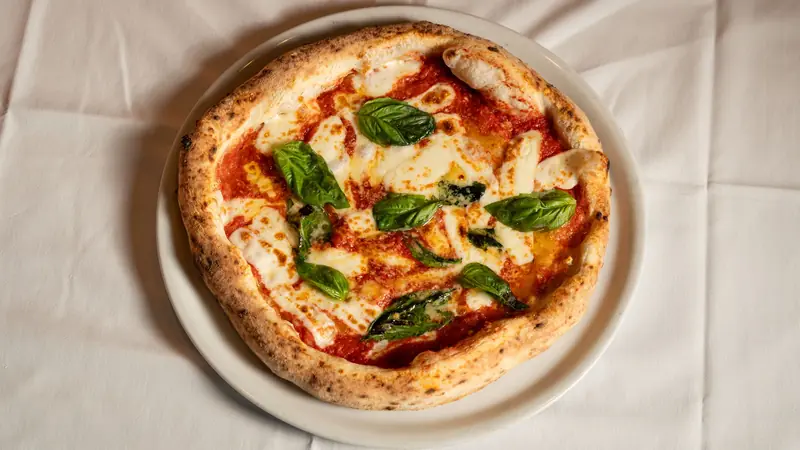
Neapolitan dough is the minimalist school of pizza: flour, water, salt, and yeast, with everything depending on technique and time rather than ingredients you can buy your way into. The classic profile runs around 58 to 62 percent hydration, 2.5 to 3 percent salt, and a startlingly small amount of yeast, often a fraction of a gram for a batch that ferments through a full day. The result, baked fast and hot, is a soft, foldable pie with a puffed, leopard-spotted rim and a delicate center. Understanding why each number sits where it does is the whole game.
Products from this article
The highest-scoring picks from the buying guides this article links to. Scores are our editorial assessment, not customer ratings.
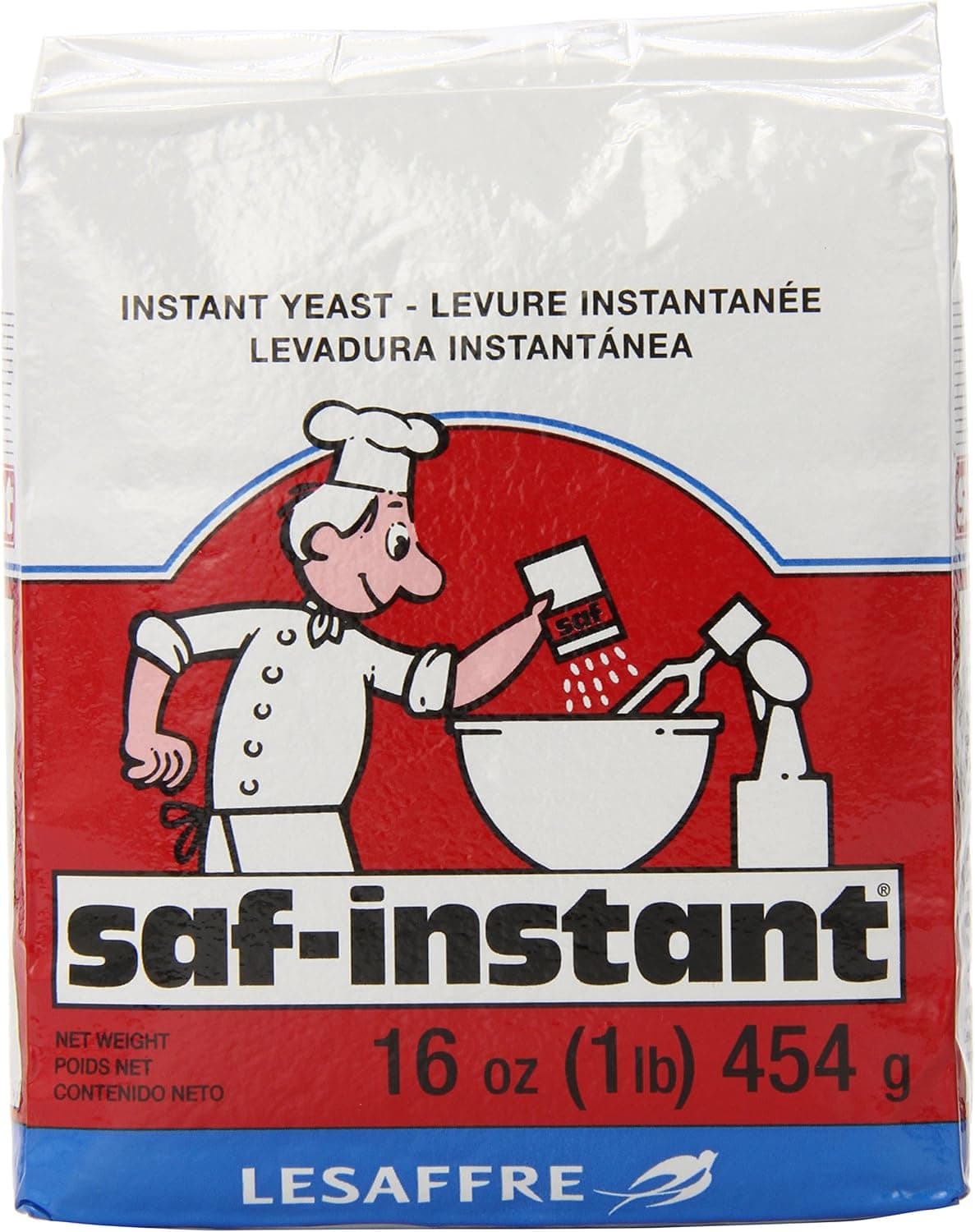
+ Saf-Instant red is a trusted yeast in professional bakeries
From our guide: Best Yeast for Pizza Dough: Instant, Active Dry, and Fresh
+ Pizzeria Blue flour is designed for long fermentation and high-heat ovens
From our guide: Best Pizza Ingredients to Buy
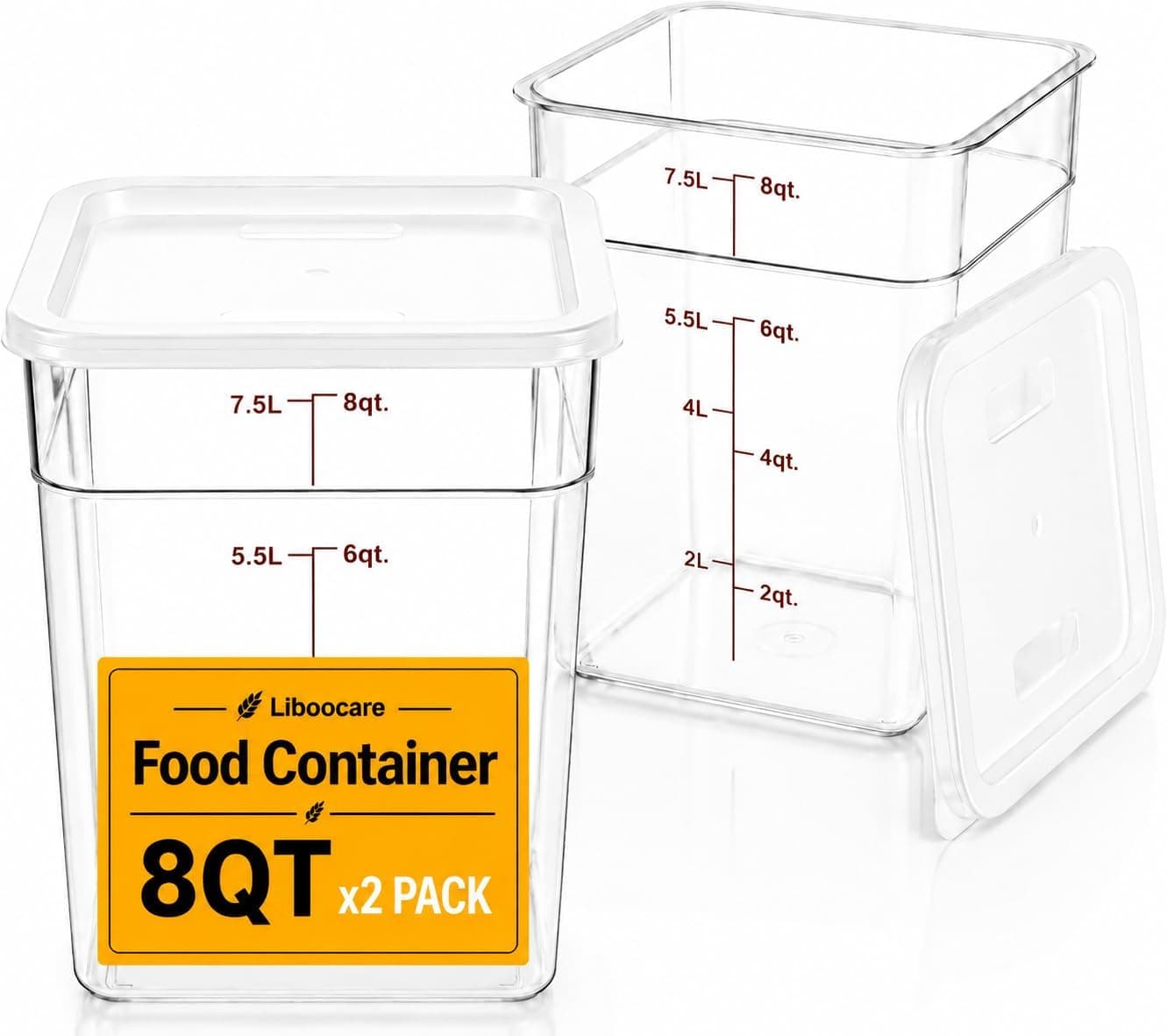
+ 8Qt buckets hold large batches of pizza or bread dough
From our guide: Best Dough Storage Containers for Fermentation
+ 16 Ounce pack is far cheaper per batch than individual pouches
From our guide: Best Yeast for Pizza Dough: Instant, Active Dry, and Fresh
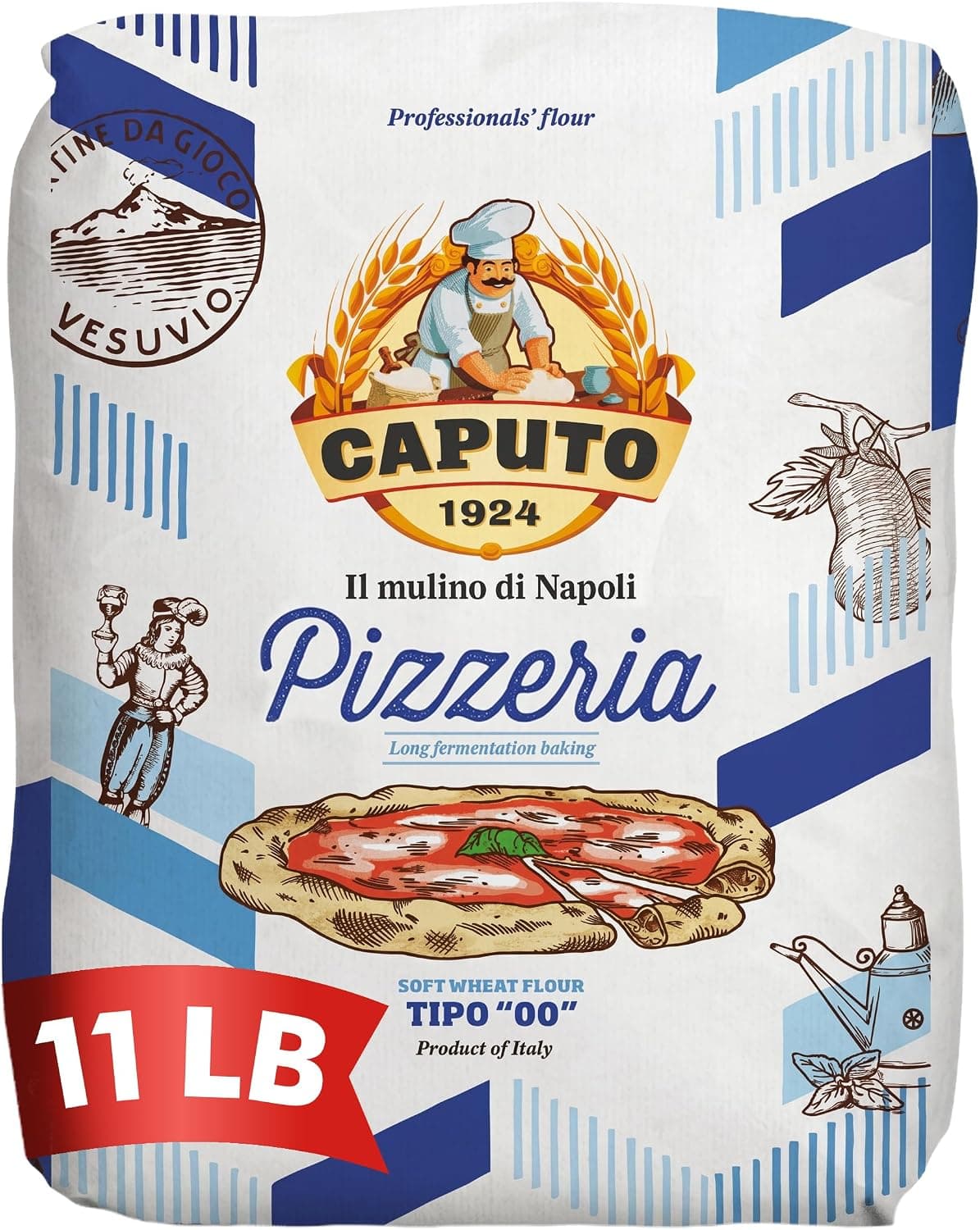
Flour comes first. Traditional Neapolitan dough uses finely milled 00 flour with moderate protein, around 11 to 12.5 percent, strong enough to survive a long ferment but extensible enough to stretch thin without snapping back. If you cannot find 00, an all-purpose or bread flour in that protein range works; the fine milling of 00 mainly affects texture, giving that signature soft chew. What matters more than the label is matching flour strength to fermentation length: a weak flour collapses during a 24 hour ferment, while a very strong flour fights your stretch.
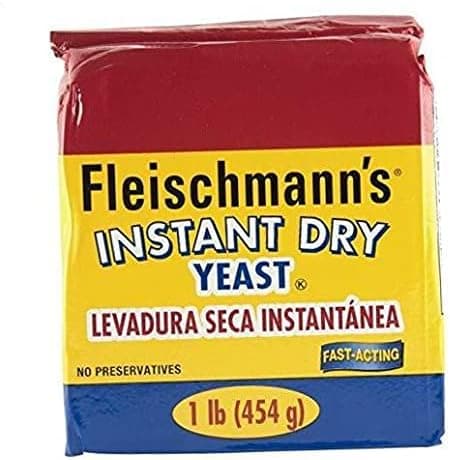
The tiny yeast quantity confuses beginners, but it is the heart of the method. Neapolitan dough gets its flavor from long, slow fermentation, and the way you slow fermentation without refrigeration is by starting with very little yeast. A typical room-temperature schedule uses roughly 0.05 to 0.1 percent fresh yeast against flour weight, mixed in the evening for pizza the next night. Salt at 2.5 to 3 percent does double duty, seasoning the crumb and tightening the gluten network so the dough holds gas through the long wait. Weigh everything in grams; teaspoons are not precise enough at these quantities.
Kneading can be gentle. Mix until no dry flour remains, rest ten minutes so the flour hydrates, then knead just until the dough turns smooth, usually five to eight minutes by hand. The long fermentation will develop most of the gluten for you. The traditional schedule then runs in two stages: a bulk rise of the whole mass for the first stretch, followed by dividing into 230 to 280 gram balls that proof individually for the final hours. The balls should arrive at stretching time roughly doubled, domed, and airy, jiggling slightly when the tray is nudged.
Shaping is where Neapolitan style declares itself. Press the ball flat from the center outward with fingertips, deliberately pushing gas toward the edge to inflate the future cornicione, then stretch by draping over knuckles or the classic slap technique. Never use a rolling pin; it expels the gas that becomes the airy rim. Aim for a 28 to 32 centimeter disc with a visibly thicker border and a center thin enough to see shadows through. Dress it lightly, because this dough carries minimal toppings by design.
The final requirement is heat, and this is the honest caveat: true Neapolitan texture needs 430 to 480 degrees Celsius and a 60 to 90 second bake, which means an outdoor pizza oven or a very serious broiler workaround. In a standard kitchen oven the same dough bakes into something crisper and more biscuit-like, pleasant but different. If you are baking indoors, push hydration a few points higher and accept a longer bake, or better, embrace a New York style dough that is genuinely built for your oven. Neapolitan is a system, and the oven is part of the recipe.
Popular right now
- Best Semolina Flour for Pizza Peels and Crispier CrustsBuying guide
- Troubleshooting Soggy Pizza CentersArticle
- Best Low-Moisture Mozzarella for Homemade PizzaBuying guide
- Best Pizza Stone Sets with Peels and AccessoriesBuying guide
- Semolina vs Flour for DustingArticle
- Best Perforated Pizza Peels for Home OvensBuying guide
Based on the last 28 days of search and visitor data.