New York Style Pizza at Home
Published How we research
New York style is arguably the perfect home pizza project, because unlike Neapolitan it was never designed for an 450 degree wood oven. The classic slice, wide, thin through the middle, crisp yet foldable, with a chewy rim and an even tan color, comes out of deck ovens running around 300 degrees Celsius. That is a temperature your kitchen oven with a baking steel can genuinely approach, which means the style is achievable at home without buying anything that lives outdoors.
Products from this article
The highest-scoring picks from the buying guides this article links to. Scores are our editorial assessment, not customer ratings.
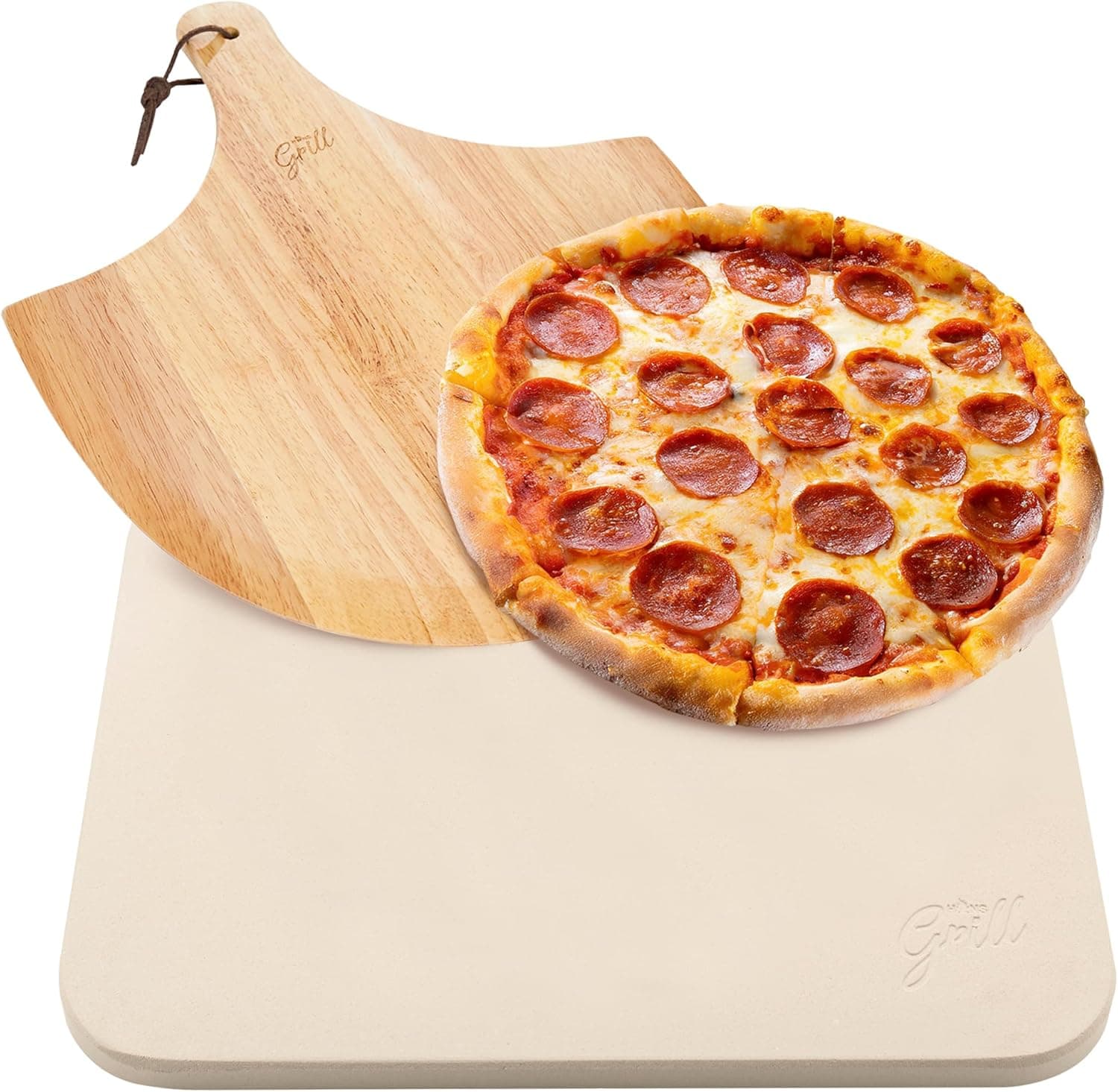
+ Free wooden peel included, adding value to the stone
From our guide: Best Pizza Stones for Home Ovens and Grills
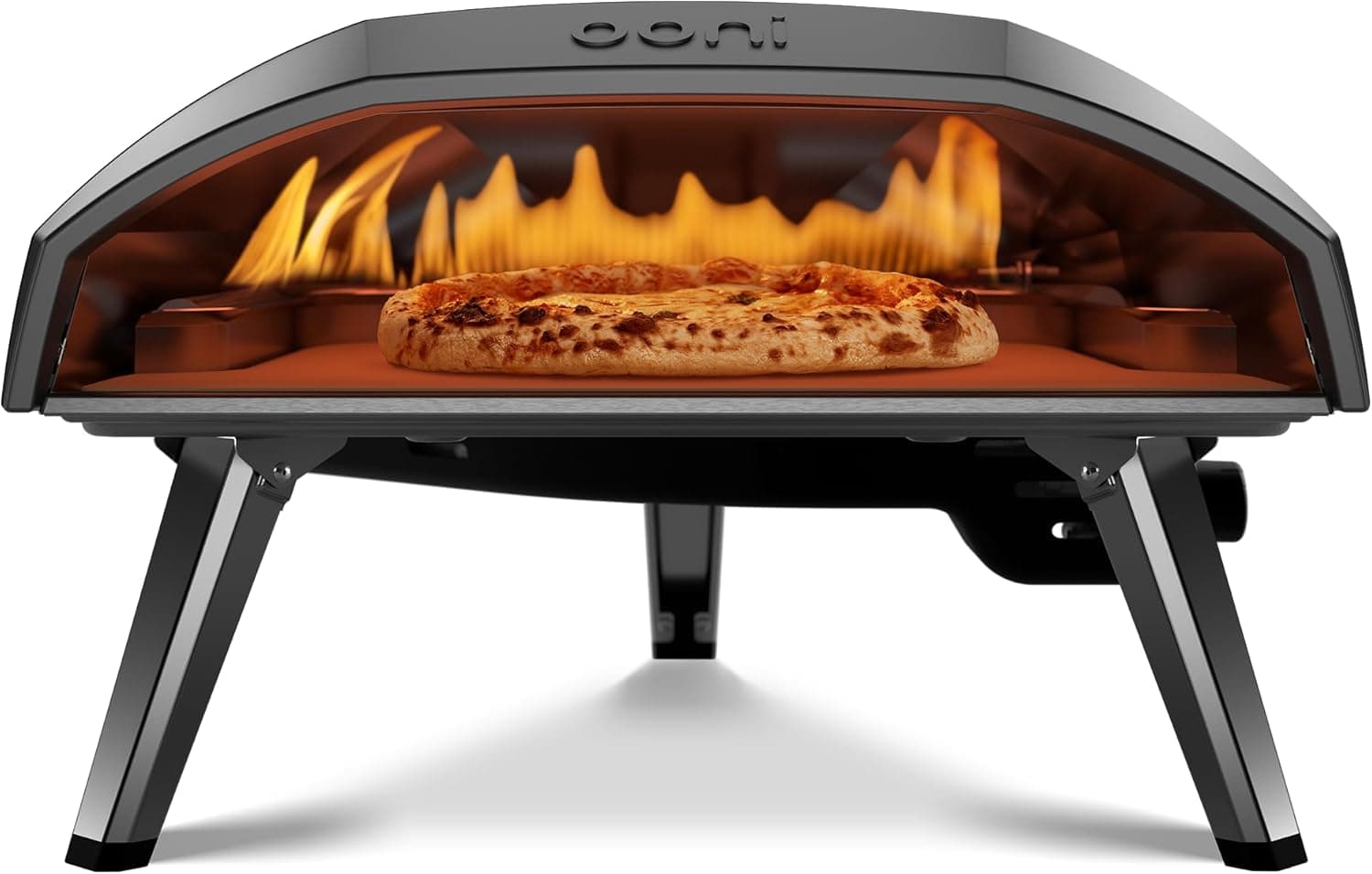
+ Wide opening fits 16 inch pizzas and makes launching and turning easier
From our guide: Best Gas Pizza Ovens: Propane Power Without the Fuss
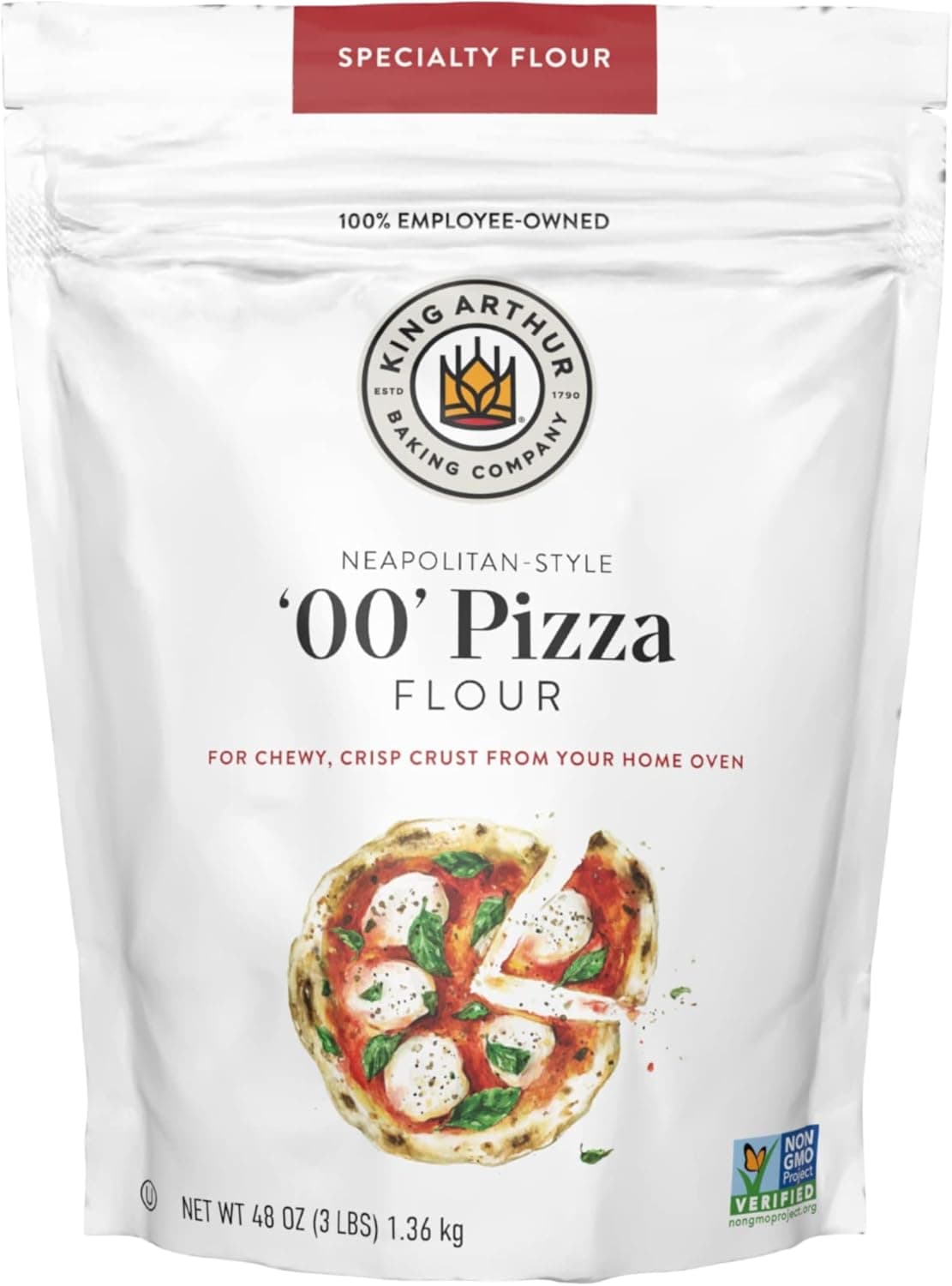
+ 00 flour is finely milled for soft, extensible pizza dough
From our guide: Best Pizza Dough Kits for Easy Homemade Crust
+ 14x16-Inch rectangle covers much of a standard oven rack
From our guide: Best Pizza Stones for Home Ovens and Grills
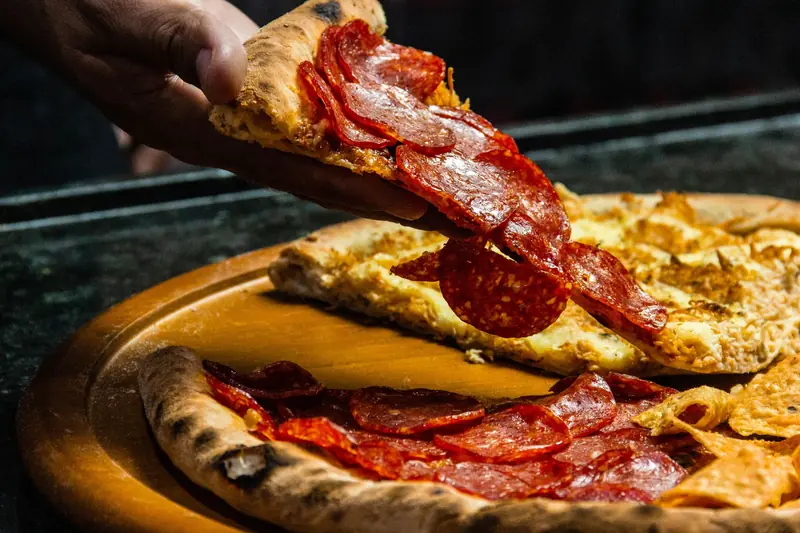
The dough differs from Neapolitan in two telling ingredients: oil and sugar. A typical New York formula runs around 60 to 63 percent hydration with 2 percent salt, 1 to 3 percent olive oil, and 1 to 2 percent sugar, built on a strong bread flour of 12.5 to 14 percent protein. The oil tenderizes the crumb and helps the longer bake stay crisp rather than tough; the sugar feeds browning at temperatures where a lean dough would bake out pale. That strong flour matters: it gives the slice its trademark chew and lets you stretch the pie wide and thin without tearing.
Cold fermentation is not optional for this style; it is the flavor. Mix the dough, ball it, and refrigerate for 24 to 72 hours. The signature taste of a good New York slice, that faintly sweet, complex, almost nutty crust, is largely the product of days in the cold. On baking day, temper the balls at room temperature for about two hours. A 350 gram ball stretched to 35 centimeters, or up to 450 grams if your steel accommodates a larger pie, gives the right thinness: a center you can nearly see light through, and a modest rim, nothing like the inflated Neapolitan cornicione.
The toppings are a study in restraint and specificity. Sauce is a cooked or uncooked blend of good canned tomatoes, often seasoned more assertively than Neapolitan sauce, with oregano, garlic, and a pinch of sugar. The cheese must be low-moisture whole-milk mozzarella, shredded, not fresh mozzarella, which floods the thin center. Many slice shops blend in a little aged provolone or pecorino for depth. Coverage should be even and edge to edge, leaving only a slim border, because the New York pie is about uniform slices rather than a showpiece rim.
Bake setup makes or breaks it. Place a baking steel on a rack in the upper third of the oven and preheat at maximum, usually 260 to 290 degrees Celsius, for a full hour. Launch the pizza onto the steel and bake six to nine minutes until the underside is spotted deep brown and the cheese is fully melted with scattered caramelized patches. If your top lags, finish under the broiler for the last minute. If the base outruns the top, drop the rack one notch or lower the temperature slightly next time. The goal is even color, not char.
Judge success with the fold test. A proper slice, held at the rim, should droop slightly, then hold firm when folded lengthwise, no cracking, no flopping. The bottom should stay crisp for minutes, not seconds, and the crumb inside the rim should be chewy and cream-colored. When you hit it, you will notice something satisfying: this is a pizza that reheats brilliantly, scales to feed a crowd, and tolerates topping experiments, which is exactly why it conquered a city of people who wanted excellent pizza with no ceremony at all.
Popular right now
- Best Semolina Flour for Pizza Peels and Crispier CrustsBuying guide
- Troubleshooting Soggy Pizza CentersArticle
- Best Low-Moisture Mozzarella for Homemade PizzaBuying guide
- Best Pizza Stone Sets with Peels and AccessoriesBuying guide
- Semolina vs Flour for DustingArticle
- Best Perforated Pizza Peels for Home OvensBuying guide
Based on the last 28 days of search and visitor data.