Pizza Oven Temperature Management
Published How we research
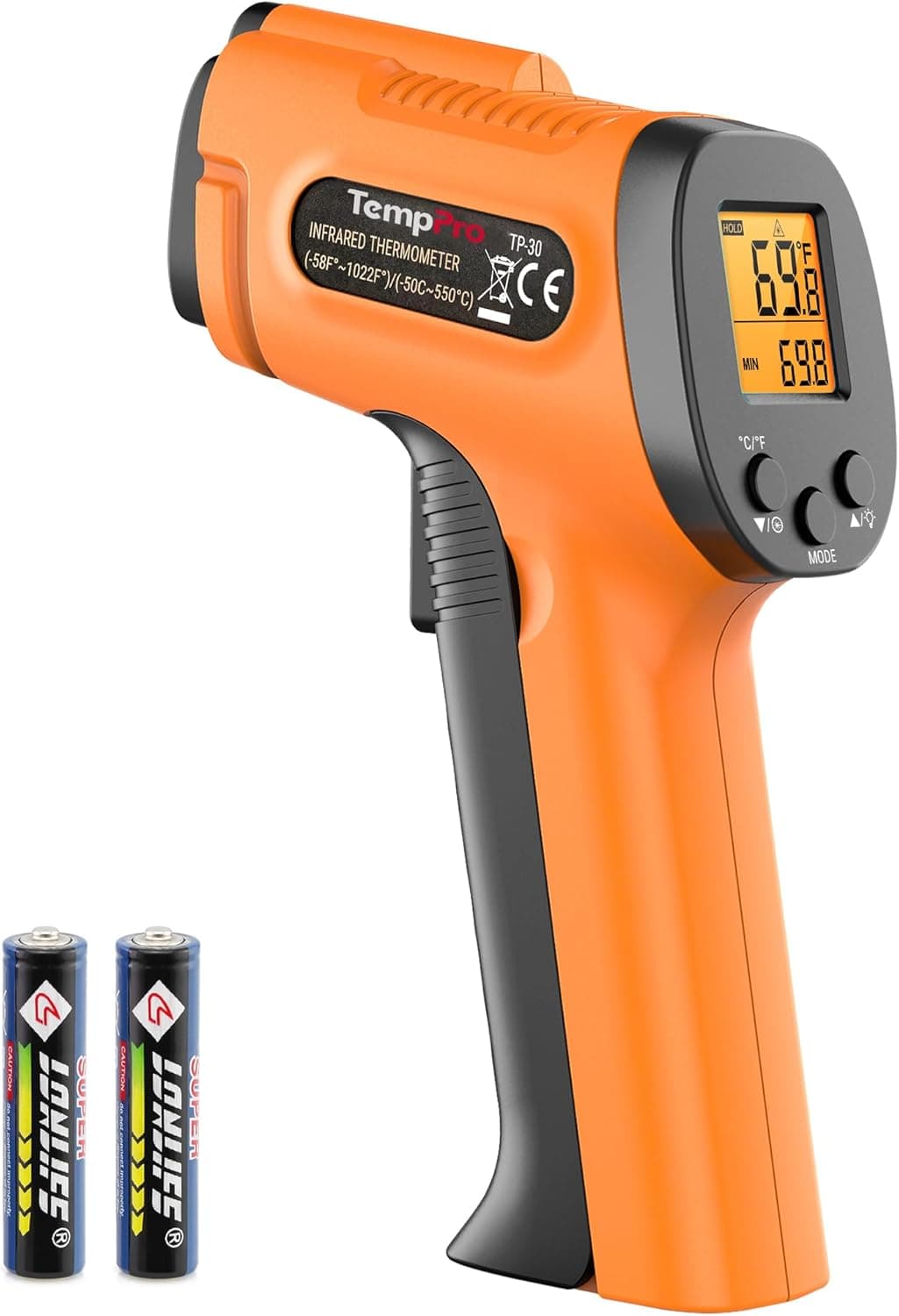
A pizza oven has two temperatures that matter, and they are rarely the same number. The air and dome temperature cooks the top of your pizza; the stone temperature cooks the base. A perfect bake happens when both finish at the same moment, and nearly every common failure, burnt base with pale cheese, gorgeous top over a floppy bottom, is simply those two clocks running at different speeds. The dial or app reading on your oven describes the air; the tool that tells you the truth about the stone is an infrared thermometer, which is why it is the one accessory no oven owner should skip.
Products from this article
The highest-scoring picks from the buying guides this article links to. Scores are our editorial assessment, not customer ratings.
+ Reads up to 1022F, covering most gas and wood-fired pizza stones
From our guide: Best Infrared Thermometers for Pizza Ovens
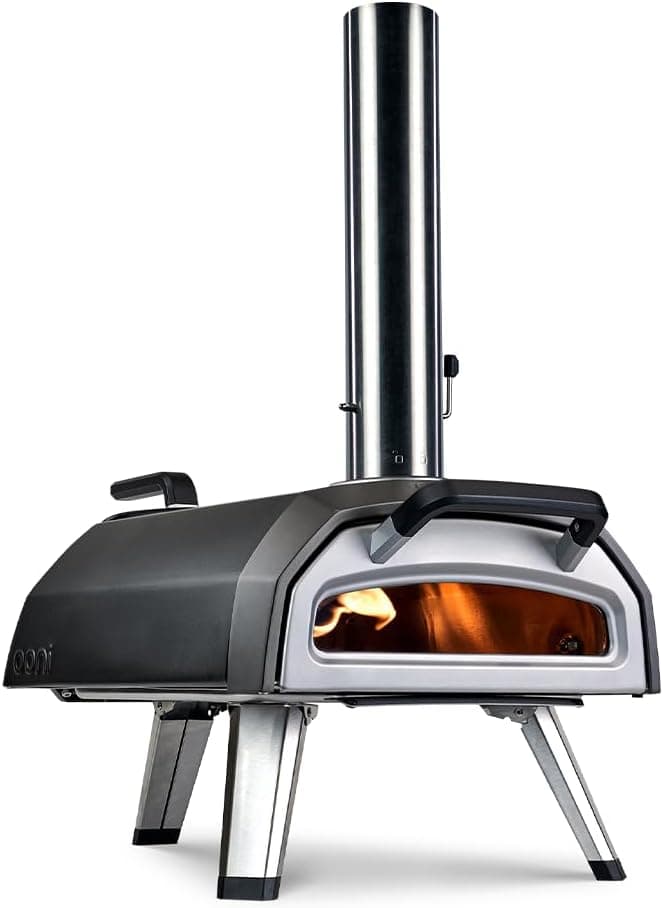
+ Choose wood for flavor or gas for convenience in the same oven
From our guide: Best Multi-Fuel Pizza Ovens: Gas, Wood, and Charcoal in One
+ Grams mode makes weighing flour, water and salt for pizza dough precise
From our guide: Best Pizza Oven Accessories
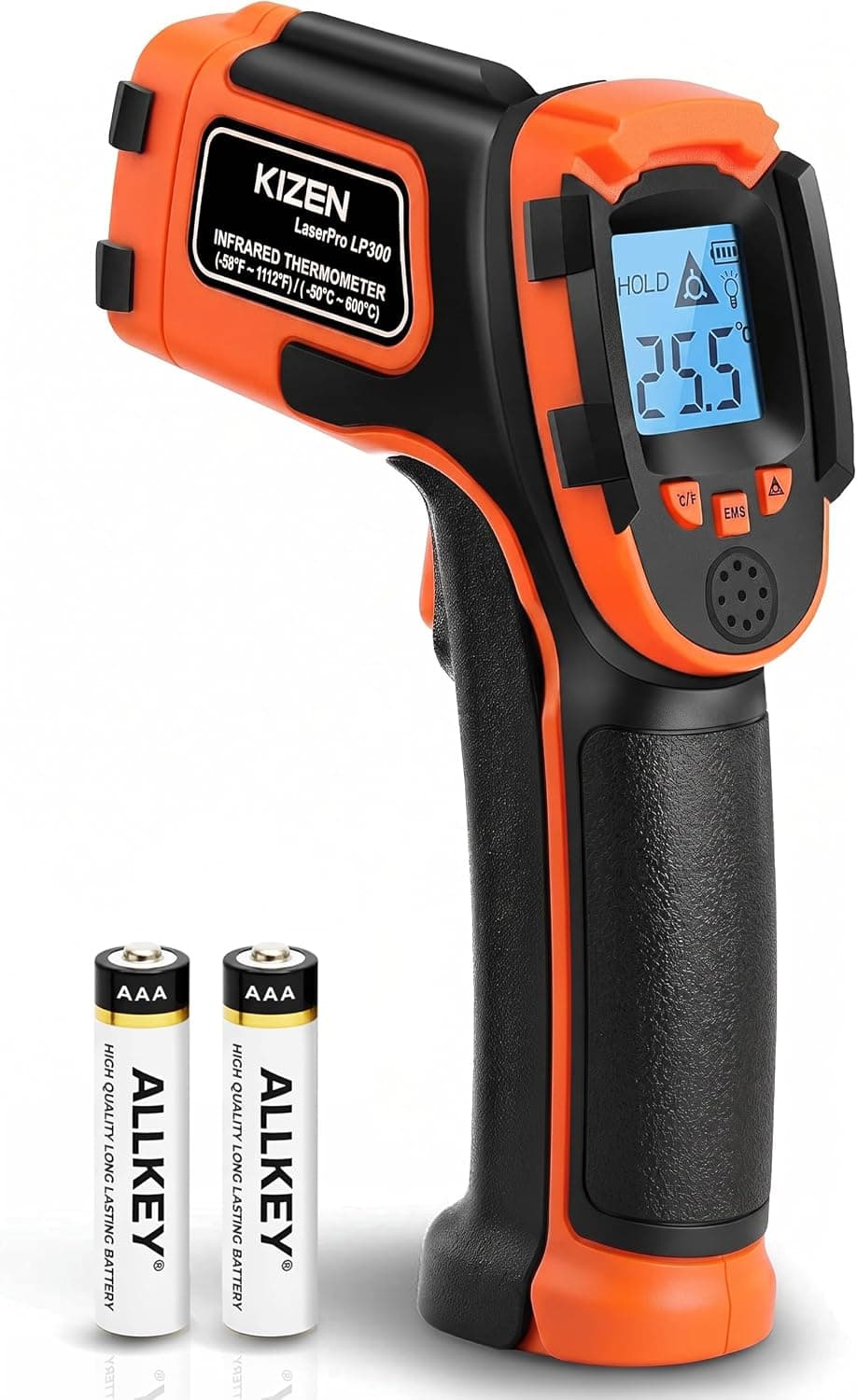
+ 1112F upper range covers very hot wood-fired pizza stones
From our guide: Best Infrared Thermometers for Pizza Ovens

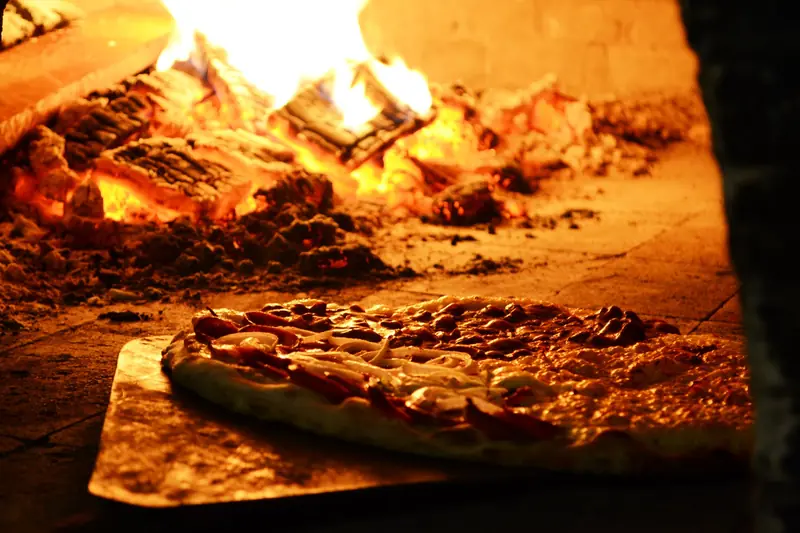
Preheating is where discipline pays. Flames heat air within minutes, but the stone floor needs 20 to 30 minutes in a small gas oven, and longer in heavy wood-fired models, to saturate with energy. Launching onto a stone that reads hot on the surface but is cold underneath produces one decent pizza followed by a string of pale-bottomed disappointments as the shallow heat depletes. Check the stone in several spots, not just the middle, because the area near the flame can run 80 degrees hotter than the mouth. Wait for your target across the whole floor before the first launch.
Targets depend on style. Neapolitan wants a stone around 400 to 430 degrees Celsius with a roaring dome, baking in 60 to 90 seconds. New York style prefers a gentler 300 to 340 on the stone with a moderated flame, stretching the bake to four or five minutes so the thicker, oilier dough crisps rather than chars. Pan pizzas and focaccia-adjacent styles are happiest lower still. The practical implication: one oven bakes many styles, but not at one setting. Decide the style first, then set the oven, rather than forcing every dough through the same inferno.
During the bake, your job is rotation and flame reading. Every oven has a hot side; a pizza left stationary will char toward the flame while the far edge lags. Turn the pie a quarter to a third at a time, starting 20 to 30 seconds in once the base has set enough to move. With gas, resist the urge to run maximum flame throughout: many owners launch on high, then immediately drop to medium so the top does not outrun the base. With wood, learn the cycle: fresh splits flare, then settle, and the window just after the flame calms is prime launching time.
Recovery between pies is the skill that separates casual bakers from people who can feed a party. Each pizza drains heat from the stone where it sat, often 40 to 60 degrees worth. Launch the next pie immediately onto that footprint and it bakes slower and paler. Give the oven two or three minutes on full flame between pies, and place the next pizza slightly offset from the last footprint if your floor space allows. Check with the infrared before each launch; the number removes all guesswork and most of the anxiety.
Finally, keep a log for your specific oven. Note ambient temperature, wind, preheat time, stone readings, and bake results for each session. Ovens are individuals: the same model behaves differently on a calm summer evening and a windy autumn night, and outdoor cooking doubles the variables. Within a few sessions your notes will tell you exactly how long your oven needs and where its hot spots hide, and temperature management will stop being a mystery and become a rhythm you barely think about.
Popular right now
- Best Semolina Flour for Pizza Peels and Crispier CrustsBuying guide
- Troubleshooting Soggy Pizza CentersArticle
- Best Low-Moisture Mozzarella for Homemade PizzaBuying guide
- Best Pizza Stone Sets with Peels and AccessoriesBuying guide
- Semolina vs Flour for DustingArticle
- Best Perforated Pizza Peels for Home OvensBuying guide
Based on the last 28 days of search and visitor data.