Pizza Sauce From Canned Tomatoes
Published How we research
The best pizza sauce you will ever make starts with a can, and there is no shame in it: canned tomatoes are picked ripe in season and processed within hours, while the fresh tomatoes at most supermarkets were harvested early and bred for shipping. Every serious pizzeria on earth builds its sauce from canned fruit. The craft is not in avoiding the can but in choosing the right one and resisting the urge to do too much to what is inside.
Products from this article
The highest-scoring picks from the buying guides this article links to. Scores are our editorial assessment, not customer ratings.
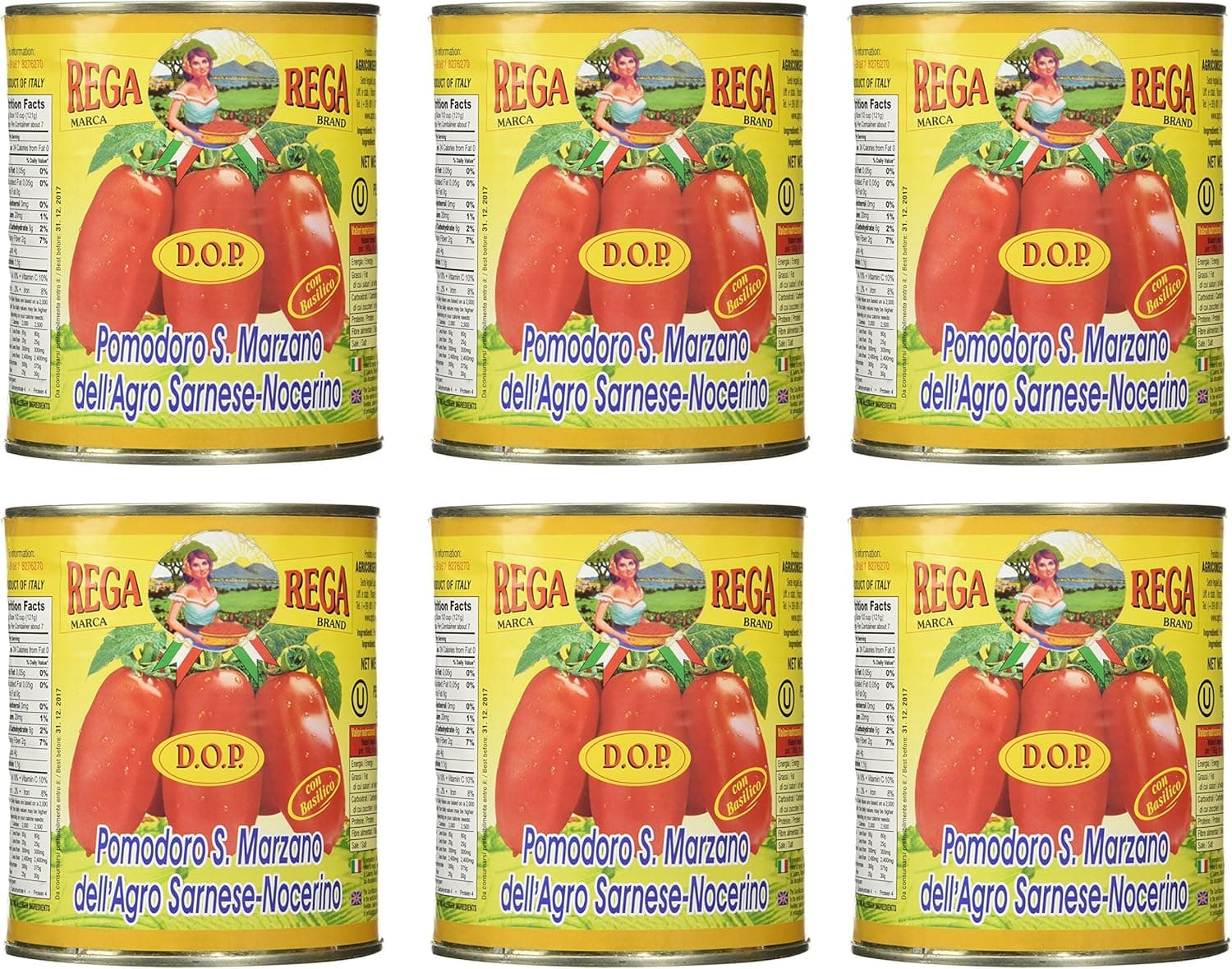
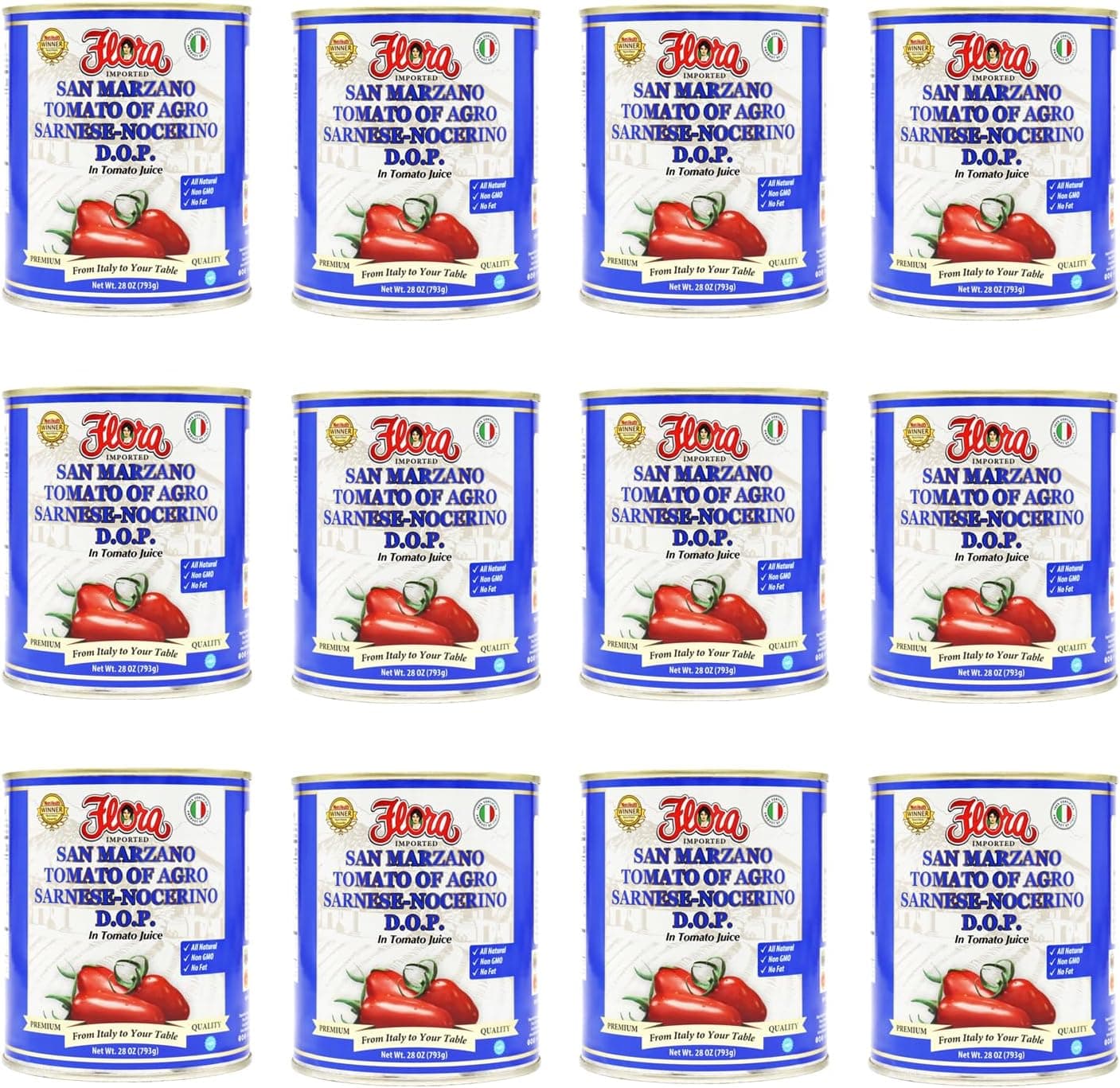
+ 12 Pack of large cans suits families and frequent pizza bakers
From our guide: Best Canned San Marzano Tomatoes for Pizza Sauce
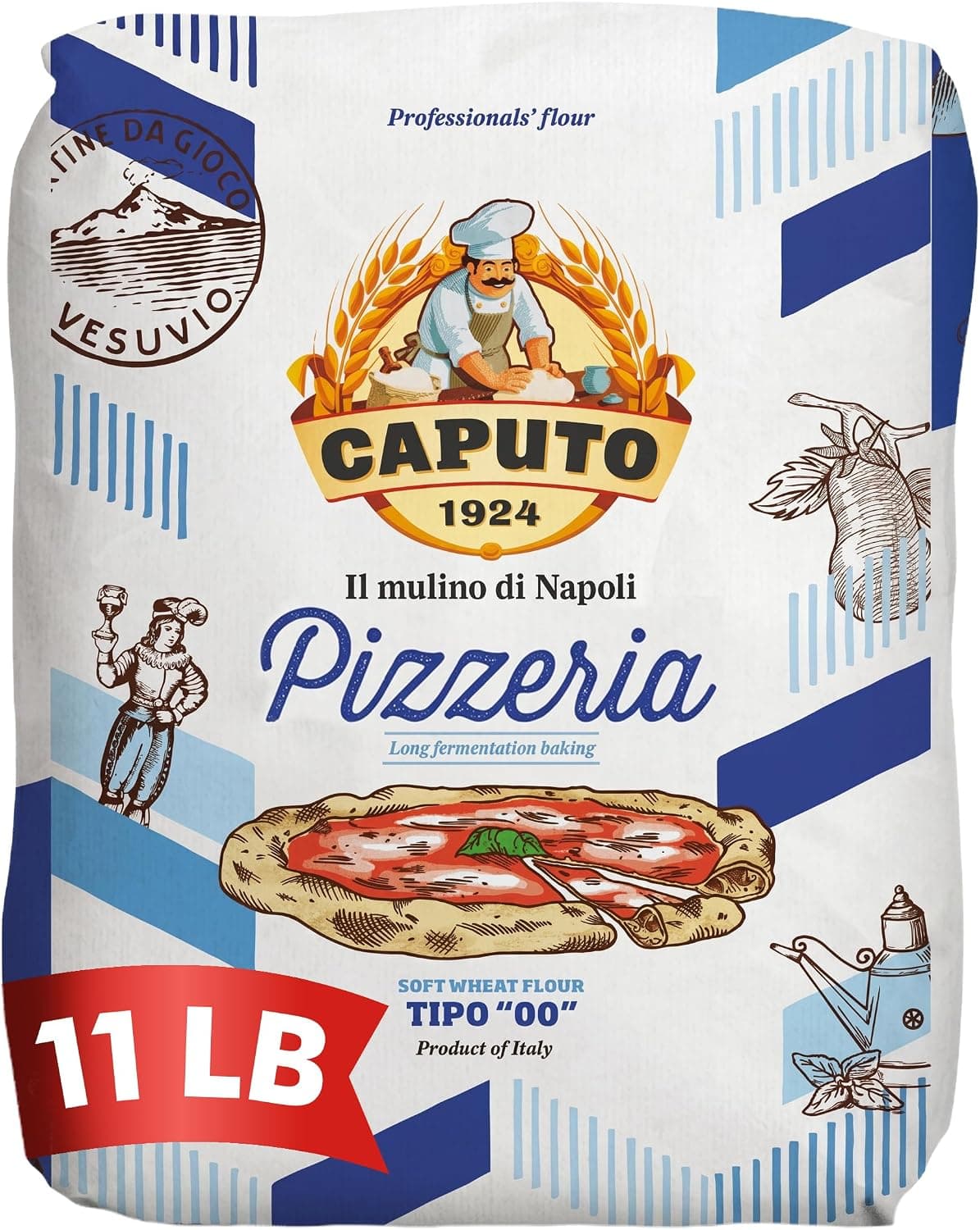
+ Pizzeria Blue flour is designed for long fermentation and high-heat ovens
From our guide: Best Pizza Ingredients to Buy
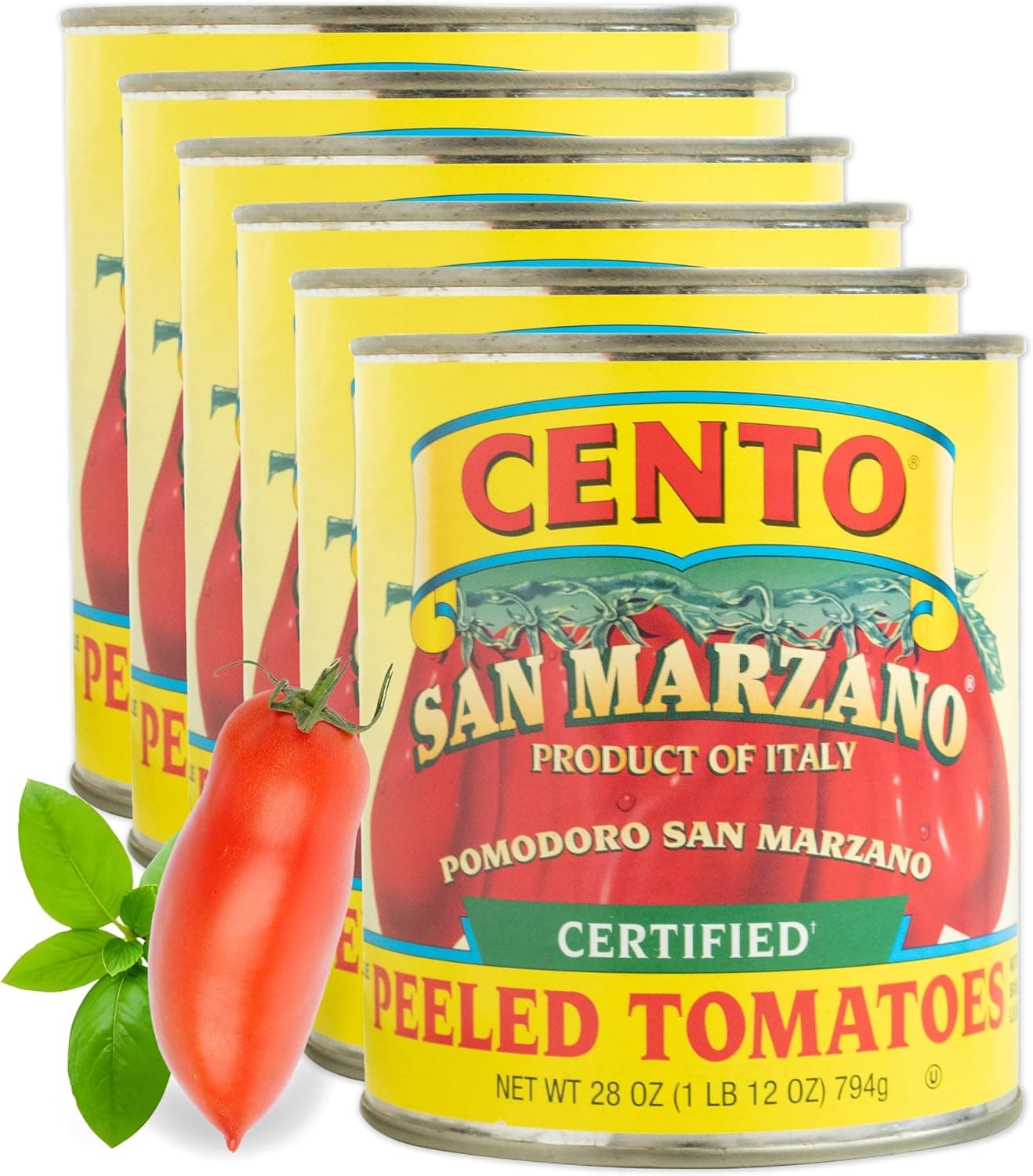
+ Pack of 6 lowers the cost per can for regular sauce makers
From our guide: Best Canned San Marzano Tomatoes for Pizza Sauce
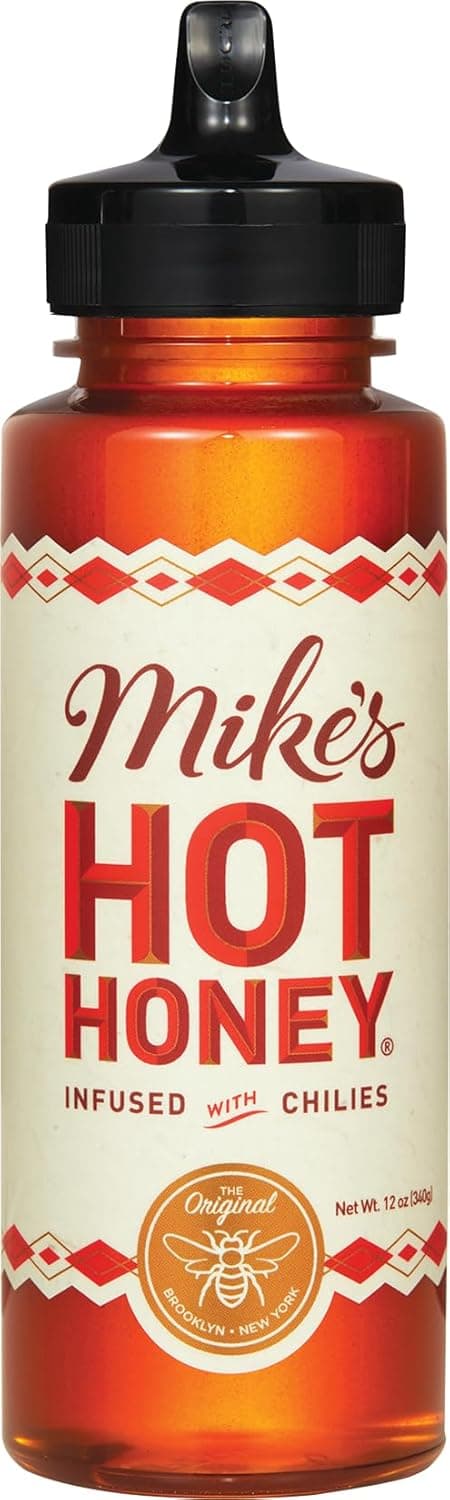
+ Squeeze bottle makes drizzling over pepperoni pizza tidy and precise
From our guide: Best Pizza Ingredients to Buy
Start with whole peeled tomatoes rather than pre-crushed, diced, or sauce products. Whole tomatoes are typically the best fruit in the packer's line, and crushing them yourself controls the final texture. Quality varies enormously between brands, so run a simple audition: buy three cans, taste a tomato from each straight, and judge sweetness, acidity, and metallic aftertaste. Genuine San Marzano tomatoes are excellent but heavily counterfeited and not automatically superior; plenty of domestic plum tomatoes beat a mediocre import. Whatever wins your taste test becomes your house tomato, and consistency from there matters more than pedigree.
For Neapolitan and most high-heat styles, the sauce is raw and nearly instant. Drain off the excess packing liquid, crush the tomatoes by hand or pass them through a food mill for smoothness, and season with fine salt to taste, usually around one percent by weight. That is the whole recipe. The sauce cooks on the pizza, in the oven, concentrating in those few blazing seconds while keeping the bright, almost fruity acidity that defines the style. Adding raw garlic, dried herbs, sugar, and olive oil to a Neapolitan sauce mostly muddies what great tomatoes already do.
New York and pan styles reward a more seasoned, sometimes cooked approach. A brief simmer, twenty to thirty minutes with olive oil, a little garlic, oregano, and a pinch of sugar if the tomatoes run sharp, thickens the sauce so it stands up to longer bakes and heavier cheese. Cooked sauce trades brightness for depth and body, which suits a slice meant to hold together in the hand. The mistake is treating pizza sauce like pasta sauce: an hour of reduction with onions, wine, and six herbs produces something delicious that will steamroll every other flavor on the pie.
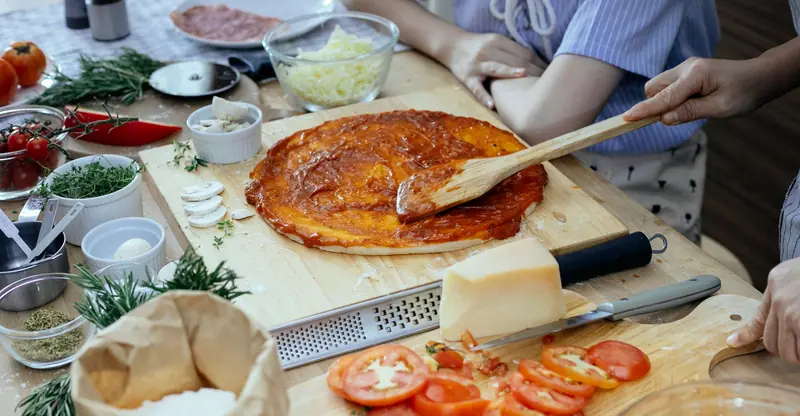
Consistency, in the literal sense, decides whether your center bakes crisp or soggy. Pizza sauce should cling to a spoon like loose ketchup, not run like juice. If your crushed tomatoes look watery, drain them longer before crushing, or strain the finished sauce briefly through a sieve. Application discipline completes the job: 70 to 90 grams for a 30 centimeter pie, spread in a thin spiral with the back of a ladle, leaving the rim clean. A pale layer that lets cheese shadows show through is correct; a deep red pool guarantees the dreaded wet middle.
Troubleshooting is mercifully simple. Bitter or tinny sauce usually means a mediocre can or the inclusion of the packing puree; switch brands and drain better. Flat, dull sauce needs salt before it needs anything else, and salt fixes more sauce problems than every other ingredient combined. Too acidic, add a small pinch of sugar. Too sweet, a squeeze of drained tomato liquid or a touch of citric acid brings it back. Make sauce in five minutes, taste it honestly, and spend the time you saved on your dough, which is where pizza is truly won.
Popular right now
- Best Semolina Flour for Pizza Peels and Crispier CrustsBuying guide
- Troubleshooting Soggy Pizza CentersArticle
- Best Low-Moisture Mozzarella for Homemade PizzaBuying guide
- Best Pizza Stone Sets with Peels and AccessoriesBuying guide
- Semolina vs Flour for DustingArticle
- Best Perforated Pizza Peels for Home OvensBuying guide
Based on the last 28 days of search and visitor data.