Toppings That Survive High Heat
Published How we research
A pizza that bakes in 90 seconds plays by different rules than one that bakes in nine minutes. In a home oven, toppings have time to render, dehydrate, and cook through; in a 450 degree Celsius pizza oven, they experience a violent flash of heat and emerge essentially as they went in, only hotter and slightly scorched at the tips. The most common disappointment for new oven owners is discovering that the loaded pies they made indoors come out raw in the middle, burnt on top, or swimming in liquid. High heat demands a different topping philosophy, not just a shorter bake.
Products from this article
The highest-scoring picks from the buying guides this article links to. Scores are our editorial assessment, not customer ratings.
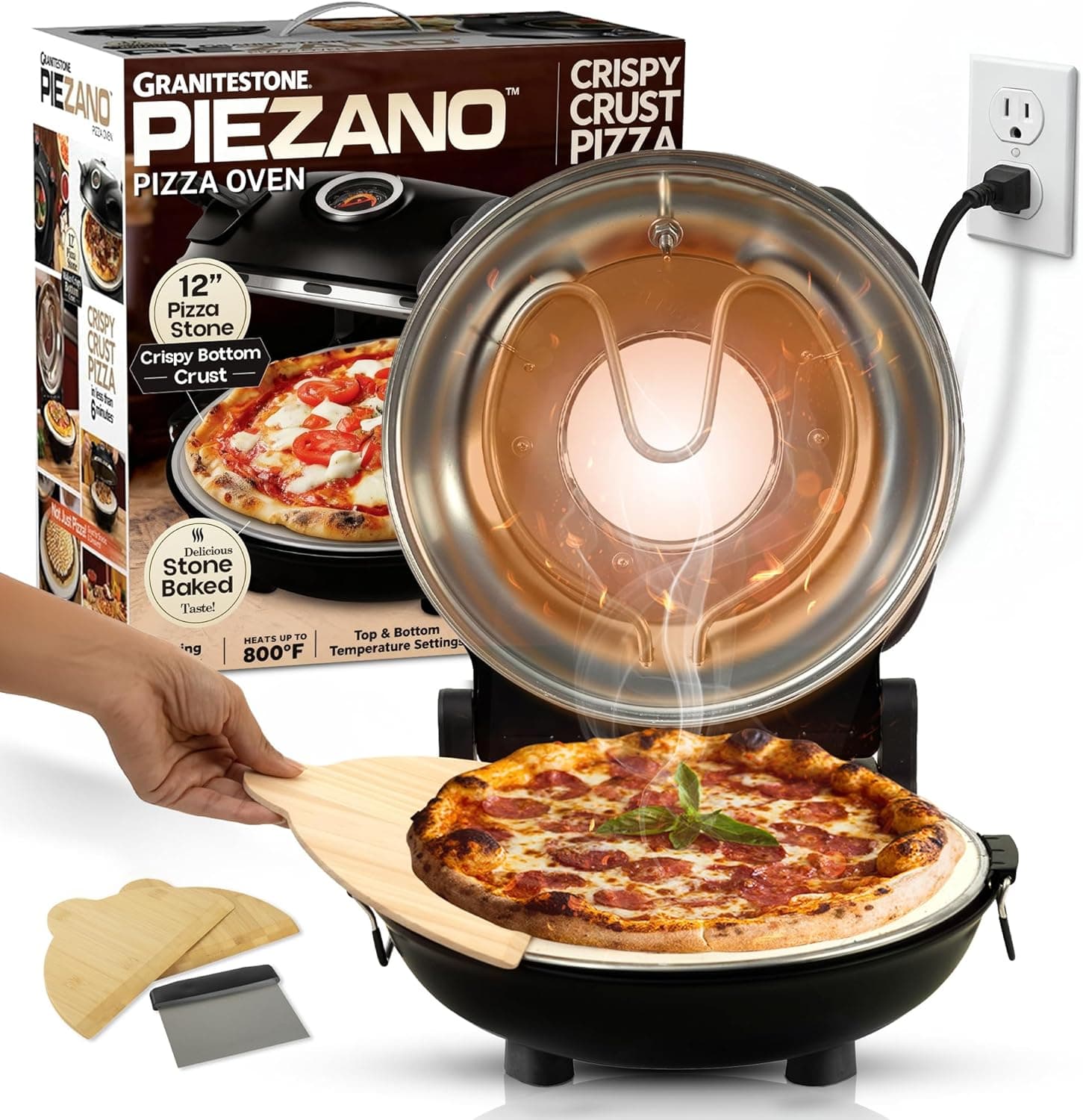
+ 800F rating lets you bake leopard-spotted, thin crust pizza without going outside
From our guide: Best Countertop Pizza Makers for Fast Weeknight Pies
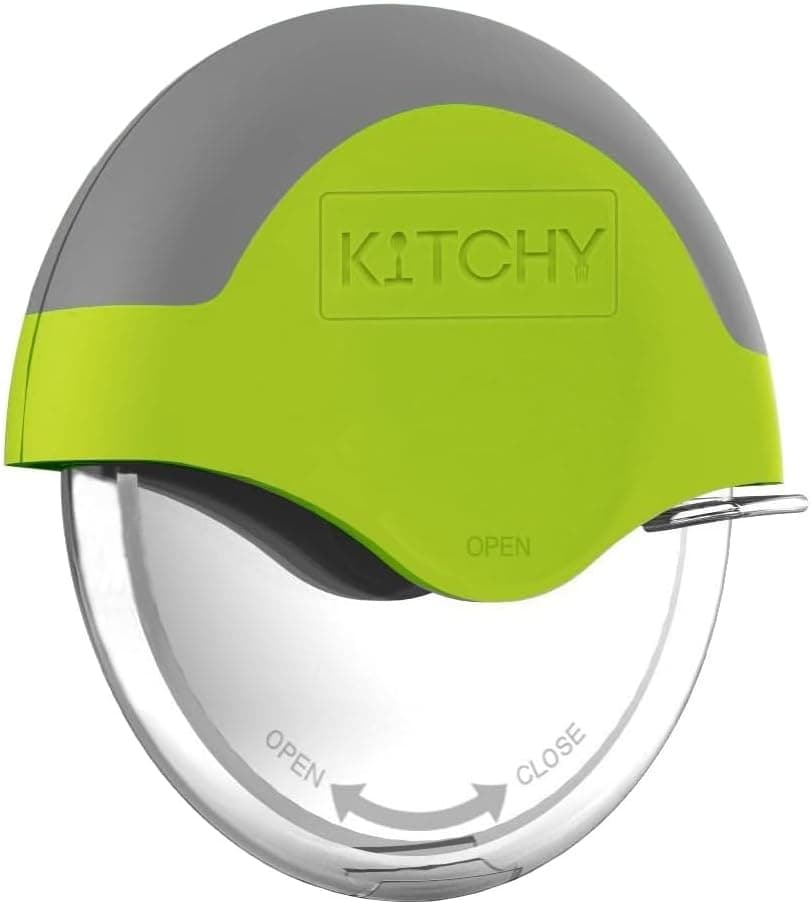
+ Blade cover protects fingers and keeps the wheel sharp in a drawer
From our guide: Best Pizza Cutters for Clean Slices at Home
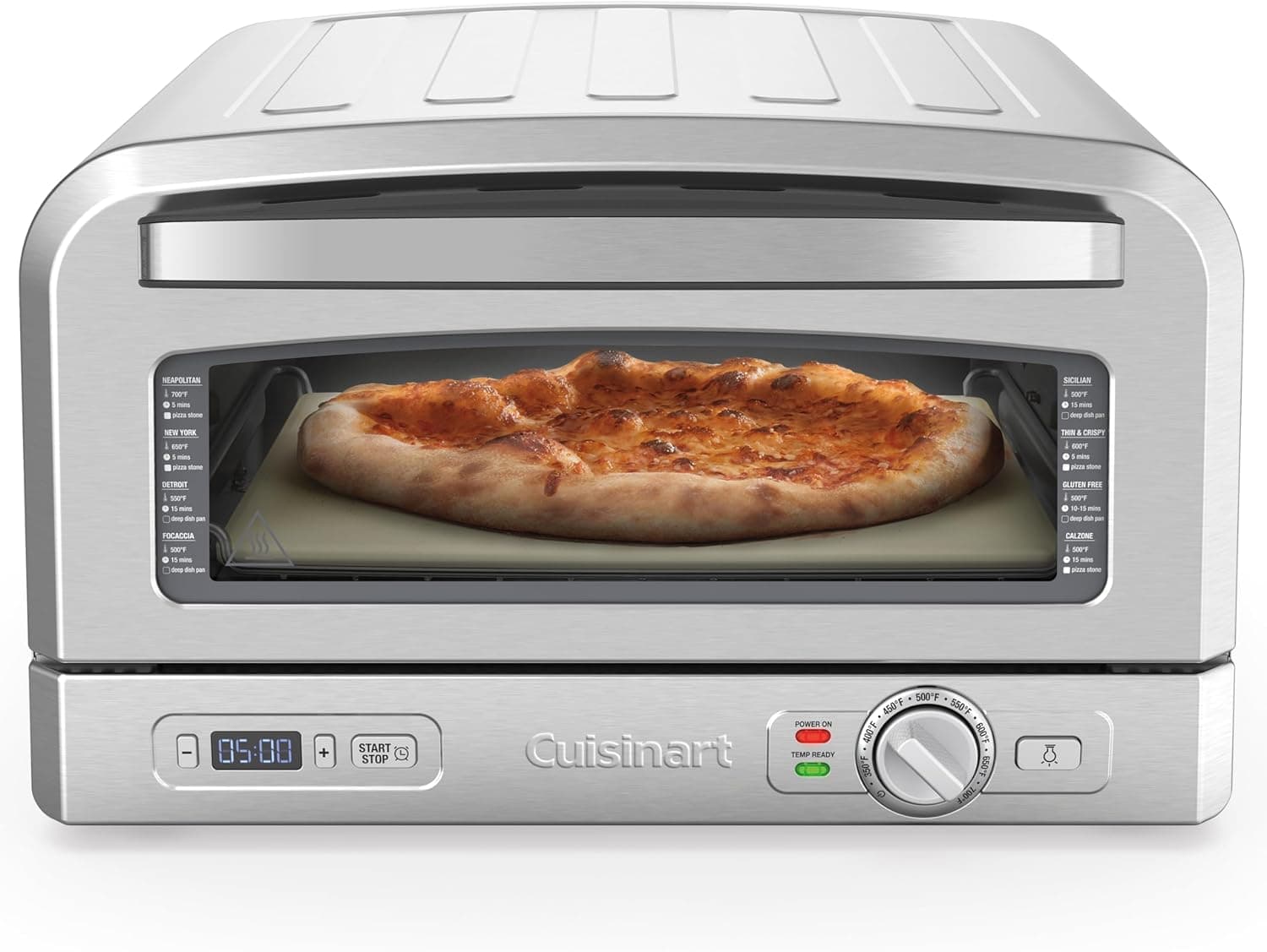
+ 700F heat brings near-outdoor crusts to an indoor kitchen
From our guide: Best Indoor Pizza Ovens for Apartment and Kitchen Use
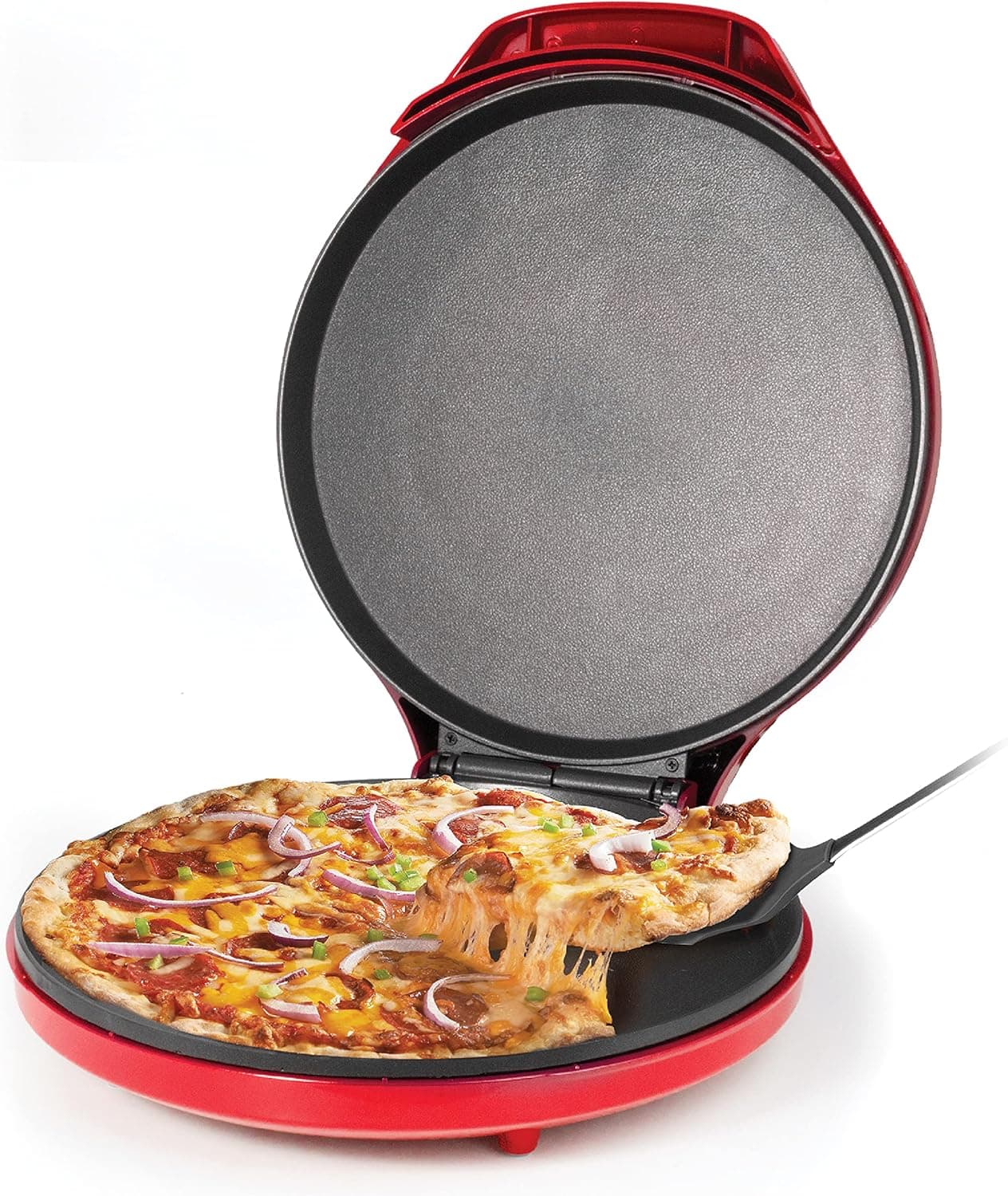
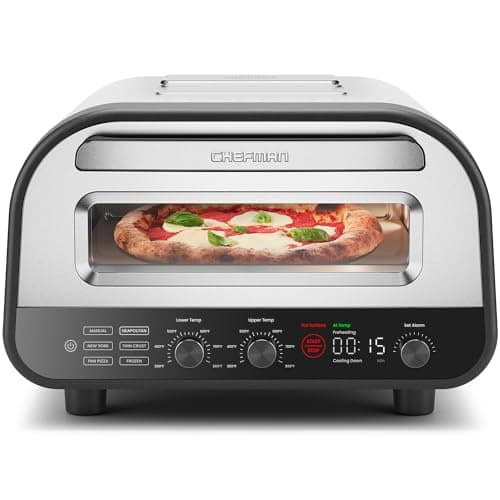
+ Both heating elements range from 300 to 800 F, with Neapolitan, New York, Thin-Crust, Pan and Frozen presets
From our guide: Best Countertop Pizza Makers for Fast Weeknight Pies
Start with moisture, the number one enemy. Raw mushrooms, zucchini, fresh tomatoes, and pineapple are mostly water, and a fast bake gives that water nowhere to go except into your crust. The fix is pre-cooking: sauté mushrooms until their liquid is gone, roast or grill zucchini and peppers, and drain anything from a jar or can thoroughly. Fresh mozzarella deserves the same suspicion; slice it, press it between paper towels, and use it in restrained quantities, or the center of your beautiful Neapolitan pie will be a milky lagoon.
Meats split into two camps. Cured, ready-to-eat meats, pepperoni, salami, prosciutto cotto, thrive in the flash bake; thin pepperoni even curls into crispy cups. Raw meats, however, are non-negotiable pre-cooks: sausage, bacon, chicken, and ground beef simply cannot cook safely in 90 seconds. Crumble and brown sausage beforehand, par-cook bacon until it is halfway rendered, and slice pre-cooked chicken thin. As a bonus, pre-cooked meats shed their grease in the pan rather than on your pizza, which keeps the slice from sliding apart.
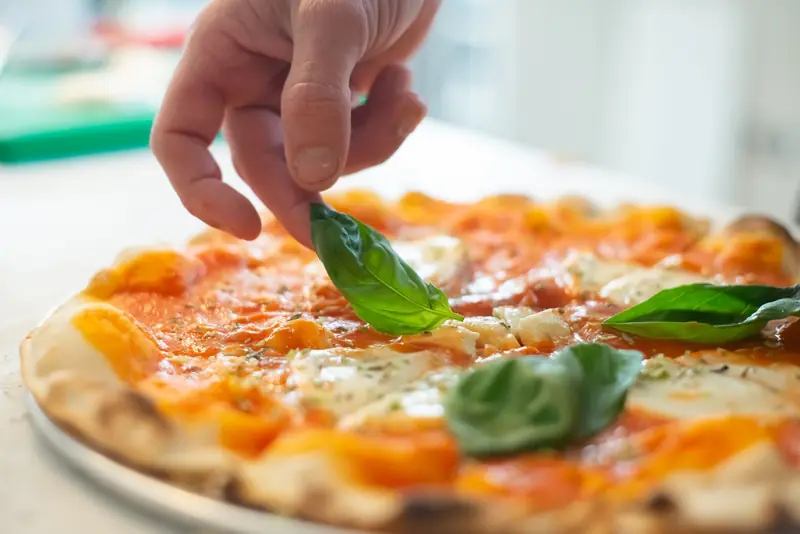
Some ingredients should skip the oven entirely. Prosciutto crudo turns to salty cardboard in high heat; drape it over the pie after baking so it softens against the hot cheese. Fresh basil blackens in seconds, which is why even in Naples it often goes on post-bake or gets tucked under the cheese for protection. Arugula, burrata, ricotta dollops in hot ovens, honey, chili oil, and hard cheeses like Parmigiano all belong in the finishing station next to your oven, applied in the thirty seconds after the pie lands. Thinking of toppings as before-bake and after-bake ingredients instantly makes your pizzas look and taste more professional.
Quantity discipline matters more as temperature rises. A fast-baked crust is thin and delicate, and it will not support the loaded-pie ambitions of a pan pizza. The working rule for a 30 centimeter high-heat pie is modest: roughly 70 to 80 grams of sauce, 80 to 100 grams of cheese, and two or at most three toppings applied sparsely enough that you can still see cheese between them. Every additional gram slows the bake, and a slow bake at high dome temperature means a charred rim over an undercooked, soggy middle.
The styles that thrive in extreme heat are, not coincidentally, the classics: marinara with just tomato, garlic, oregano, and oil; margherita with restrained fresh mozzarella; pepperoni over low-moisture cheese; white pies with pre-cooked potato or onions. Use them as templates. Ask of every candidate topping three questions: is it wet, is it raw, and does it burn? Fix the wet ones, pre-cook the raw ones, and hold the burners for after the bake. Do that consistently and your high-heat pizzas will finally match the crust your oven was built to produce.
Popular right now
- Best Semolina Flour for Pizza Peels and Crispier CrustsBuying guide
- Troubleshooting Soggy Pizza CentersArticle
- Best Low-Moisture Mozzarella for Homemade PizzaBuying guide
- Best Pizza Stone Sets with Peels and AccessoriesBuying guide
- Semolina vs Flour for DustingArticle
- Best Perforated Pizza Peels for Home OvensBuying guide
Based on the last 28 days of search and visitor data.