Reheating Pizza Properly
Published How we research
Leftover pizza deserves better than the microwave, and the science of why is worth thirty seconds. When pizza cools, the starches in the crust retrograde, recrystallizing into a stale, firm structure, while the base absorbs moisture from the sauce above it. Good reheating has to do two things at once: re-melt the cheese and drive moisture back out of the base to restore crispness. A microwave does the opposite, heating the water inside the slice into steam that turns the crust into a hot, sagging sponge. Every good method below is just a different way of applying dry heat from beneath.
Products from this article
The highest-scoring picks from the buying guides this article links to. Scores are our editorial assessment, not customer ratings.
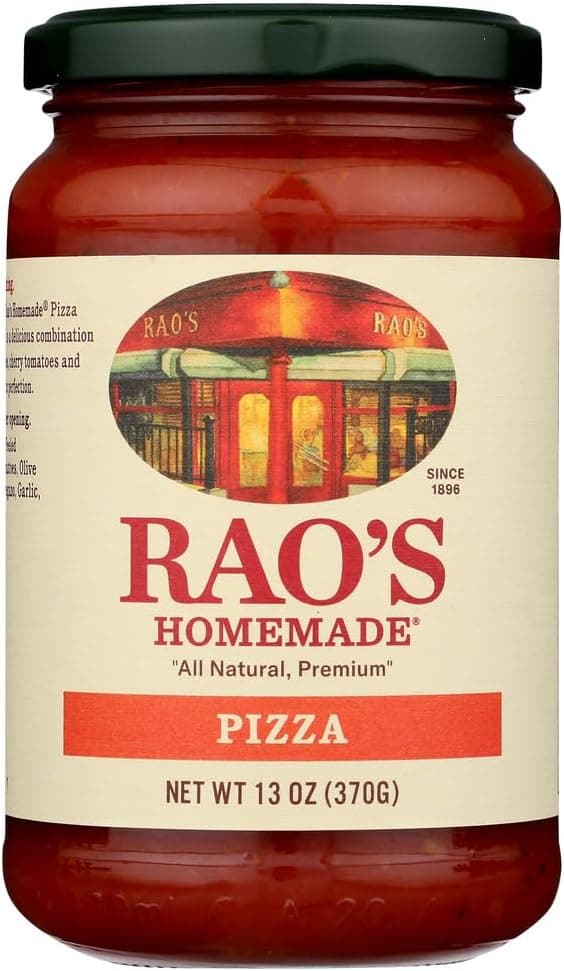
+ Rao's premium sauce brand is known for simple, tomato-forward jars
From our guide: Best Pizza Sauce Brands Worth Buying in a Jar
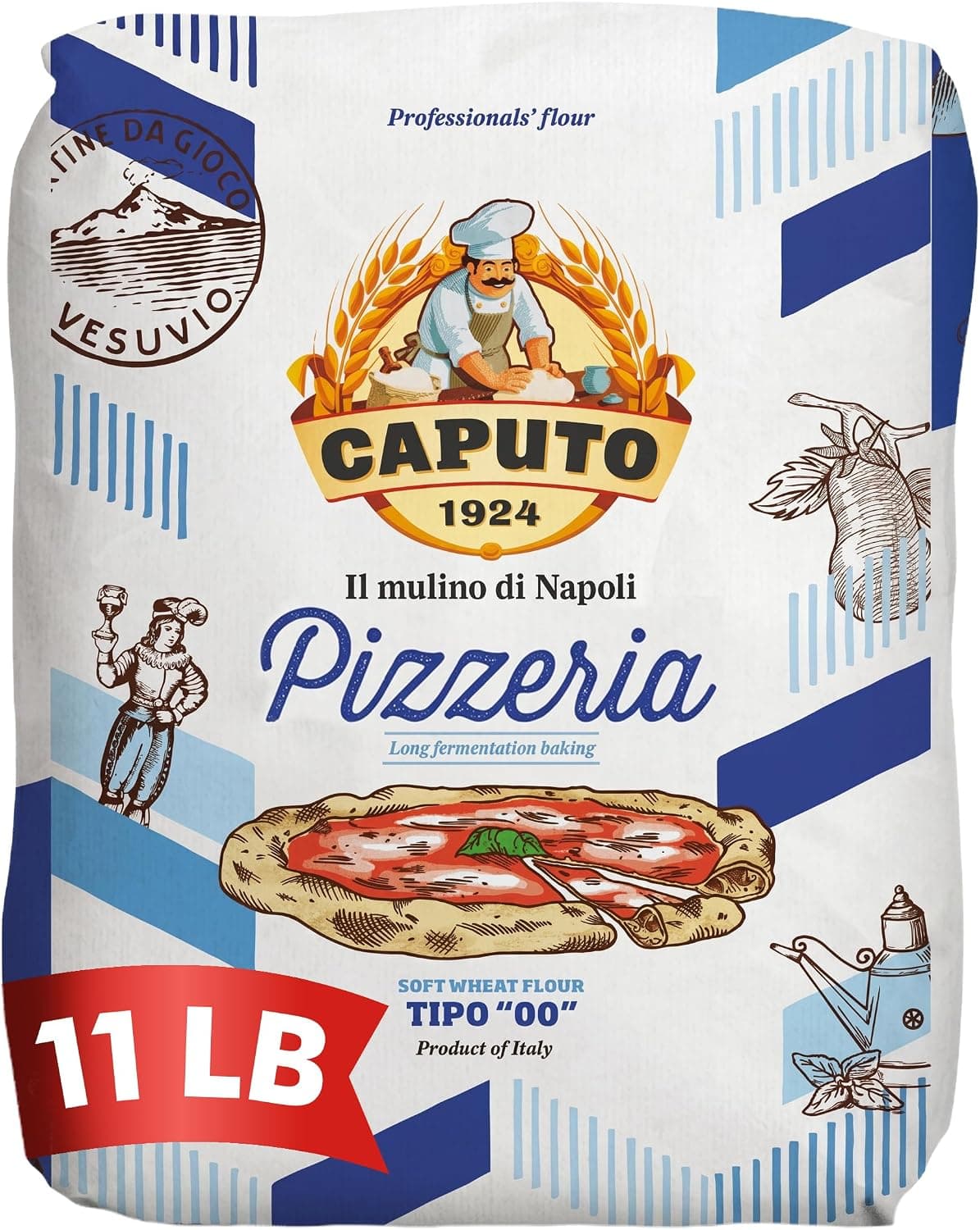
+ Pizzeria Blue flour is designed for long fermentation and high-heat ovens
From our guide: Best Pizza Ingredients to Buy
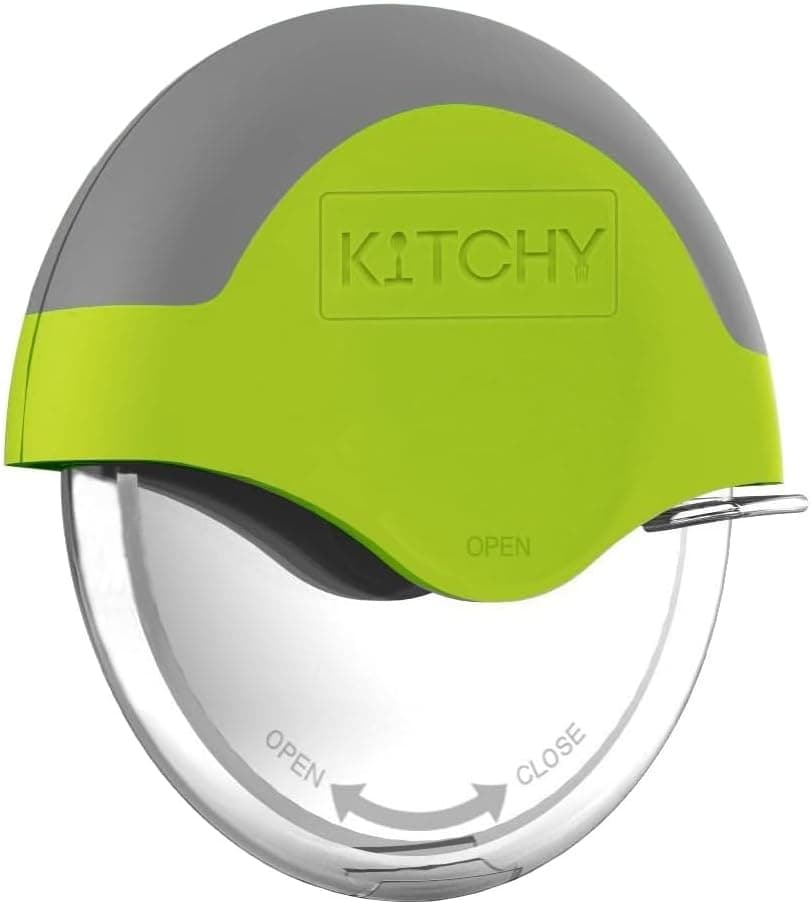
+ Blade cover protects fingers and keeps the wheel sharp in a drawer
From our guide: Best Gifts for Pizza Lovers
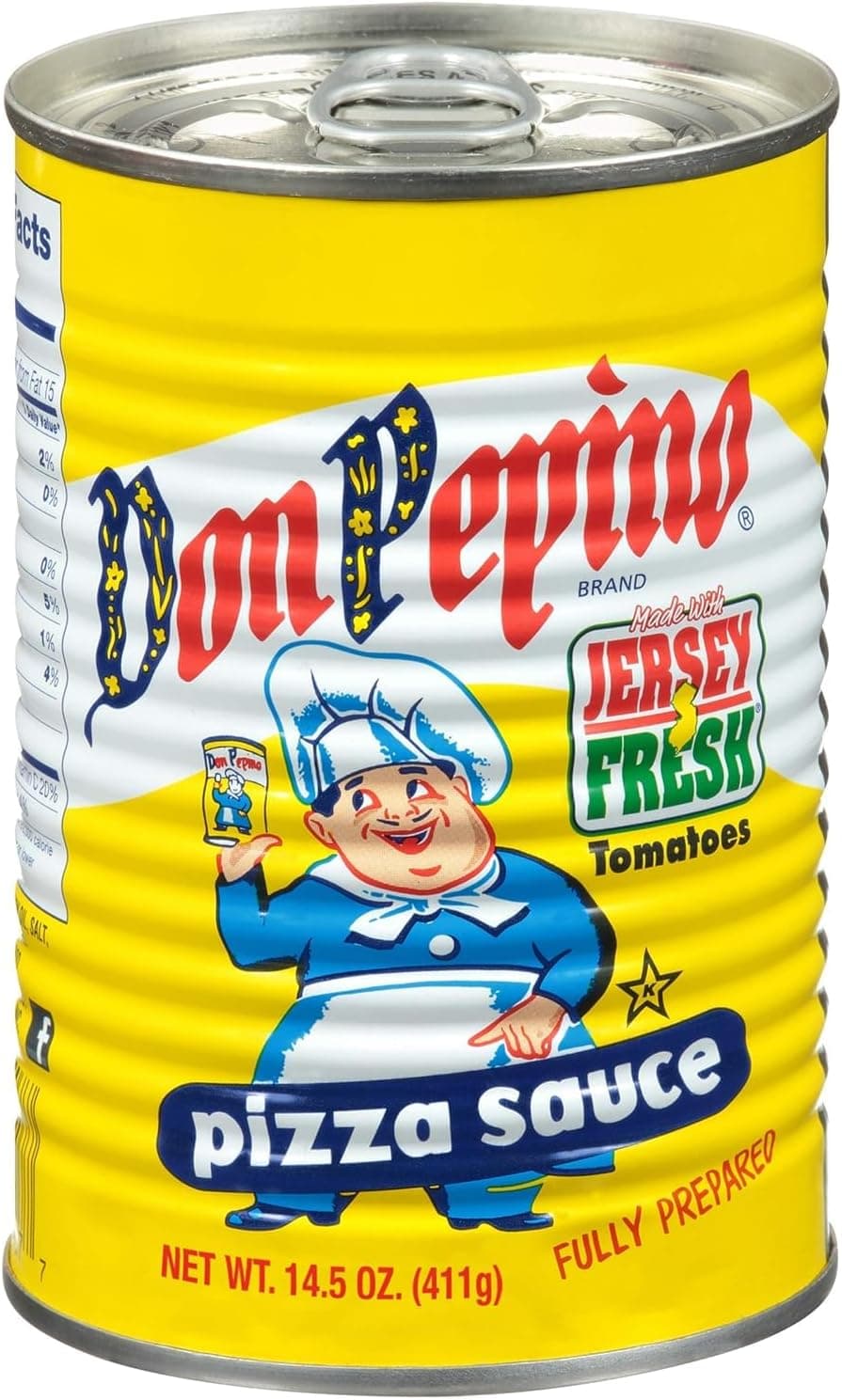
+ Ready-to-spread canned sauce needs no cooking before topping
From our guide: Best Pizza Sauce Brands Worth Buying in a Jar
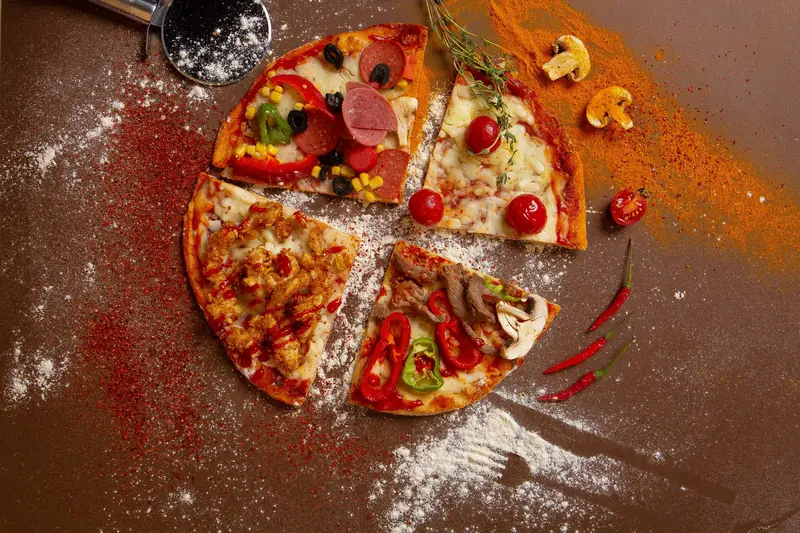
The skillet method is the gold standard for one or two slices, and it takes under five minutes. Place the slices in a dry nonstick or cast-iron pan over medium-low heat, cover with a lid, and wait three to four minutes. The pan re-crisps the bottom while the trapped heat gently melts the cheese. If the cheese lags behind the base, add two or three drops of water to the pan away from the slice and re-cover; the small burst of steam finishes the top without softening the bottom. The result is startlingly close to fresh, with a base that audibly crunches.
For a crowd of slices or a whole leftover pie, use the oven with a preheated surface. Set the oven to about 180 to 200 degrees Celsius with a baking steel, stone, or overturned sheet pan inside, give it fifteen minutes to heat, then slide the slices directly onto the hot surface for five to eight minutes. The preheated metal or stone matters: slices placed on a cold tray in a heating oven spend long minutes steaming in their own moisture before any crisping begins. Watch for the cheese regaining its gloss and the edges just starting to re-brown; past that point the slice dries out.
The air fryer has earned its reputation here. Three to four minutes at 160 to 180 degrees Celsius revives a slice with almost no attention, and the circulating air handles thick styles, Detroit squares, deep pan slices, better than a skillet can, warming the interior crumb before the surface overshoots. Keep the temperature moderate: the common mistake is running 200 degrees, which blisters the cheese and hardens the rim while the middle of a thick slice is still cool. For very thick pizza, a lower and slower 150 degrees for six to eight minutes wins.
Storage decides how good any reheat can be. The refrigerator is correct, food safety says pizza should not sit out overnight, but the way you refrigerate matters. Stack slices with paper towels between layers in an airtight container; the towel absorbs the moisture that would otherwise migrate into the crust, and the sealed container stops the cheese from absorbing fridge odors and drying out. Slices stored this way reheat noticeably better than a whole box shoved onto a shelf. For longer horizons, slices freeze well wrapped individually, and can go straight from freezer to a covered skillet or air fryer.
One last opinion for the cold pizza faithful: you are not wrong. A cold slice of a well-made, fully-baked pizza, especially New York style, where the flavors have melded overnight, is a legitimate pleasure and requires no defense. But calling it a choice only counts if you know how to produce a properly revived hot slice as the alternative. Master the skillet method once and the microwave will never touch your pizza again.
Popular right now
- Best Semolina Flour for Pizza Peels and Crispier CrustsBuying guide
- Troubleshooting Soggy Pizza CentersArticle
- Best Low-Moisture Mozzarella for Homemade PizzaBuying guide
- Best Pizza Stone Sets with Peels and AccessoriesBuying guide
- Semolina vs Flour for DustingArticle
- Best Perforated Pizza Peels for Home OvensBuying guide
Based on the last 28 days of search and visitor data.