Winter Pizza Oven Use
Published How we research
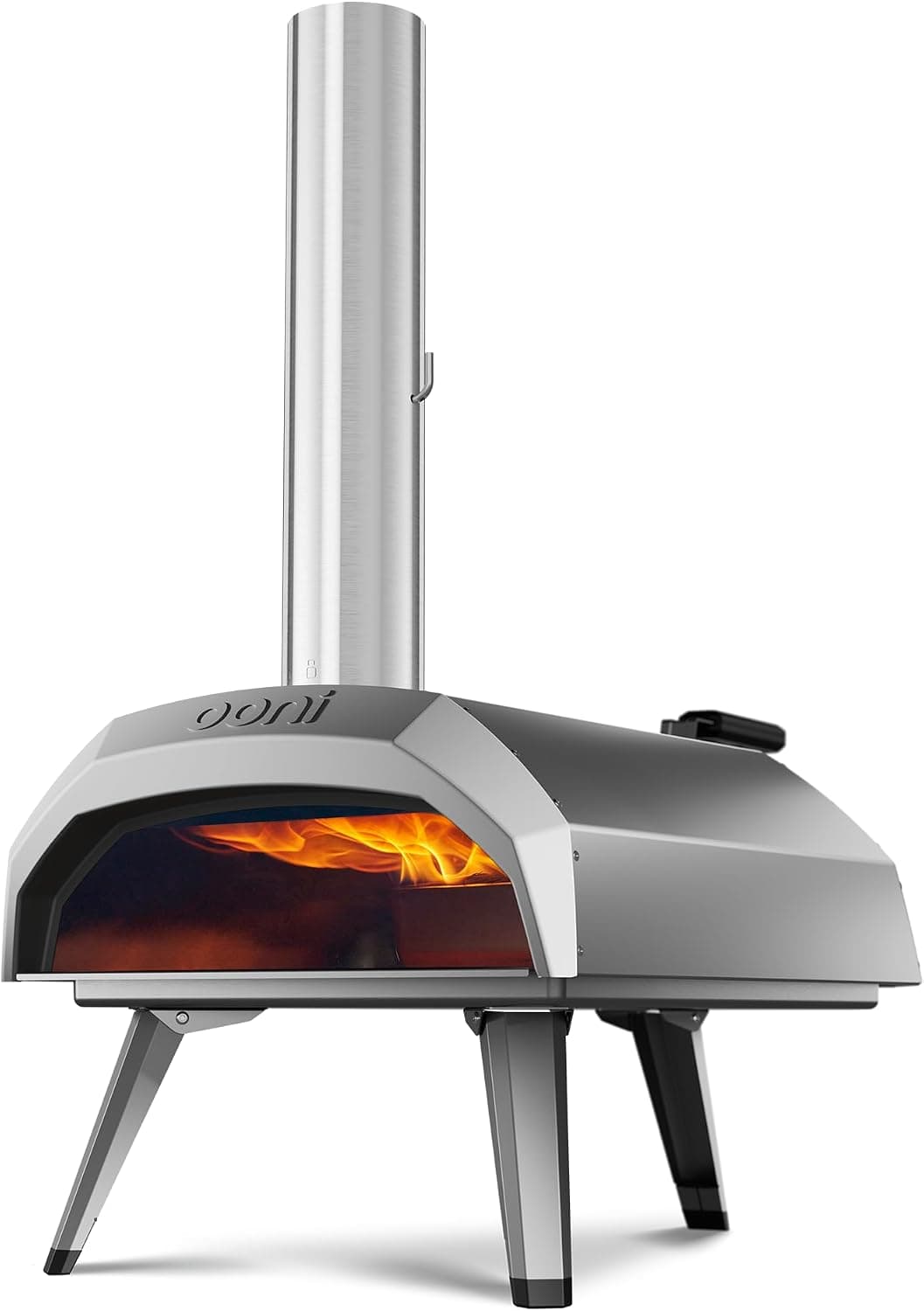
A pizza oven does not hibernate, and some of the best pizza nights of the year happen in a coat. Cold weather changes the physics of outdoor baking in predictable ways, and every one of them has a straightforward workaround. The oven itself does not mind winter; the fuel system, the wind, and the ferry route between your warm kitchen and the cold patio are where the season actually bites, and a little preparation converts freezing-weather baking from an ordeal into a ritual.
Products from this article
The highest-scoring picks from the buying guides this article links to. Scores are our editorial assessment, not customer ratings.
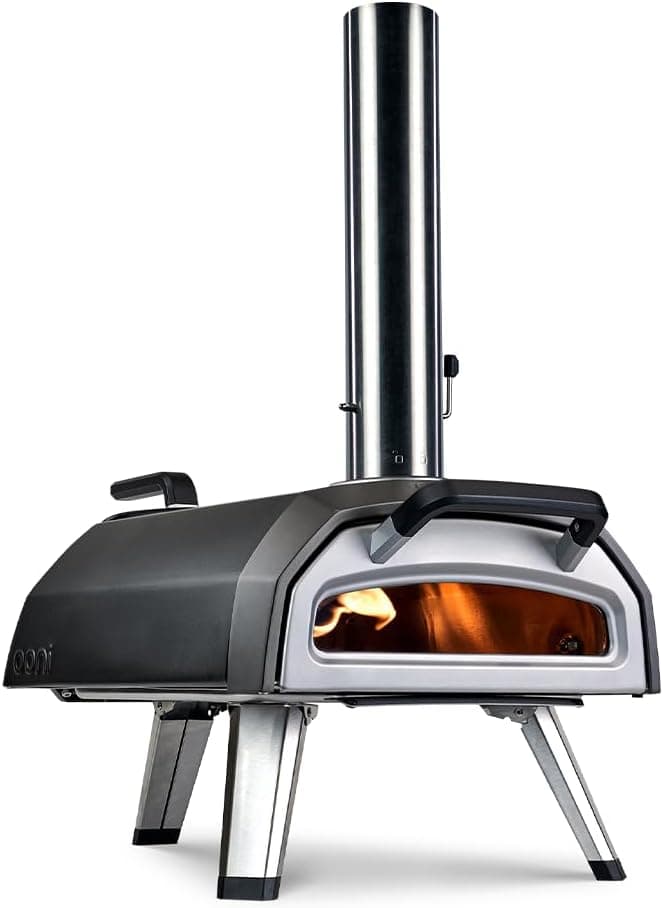
+ Choose wood for flavor or gas for convenience in the same oven
From our guide: Best Multi-Fuel Pizza Ovens: Gas, Wood, and Charcoal in One
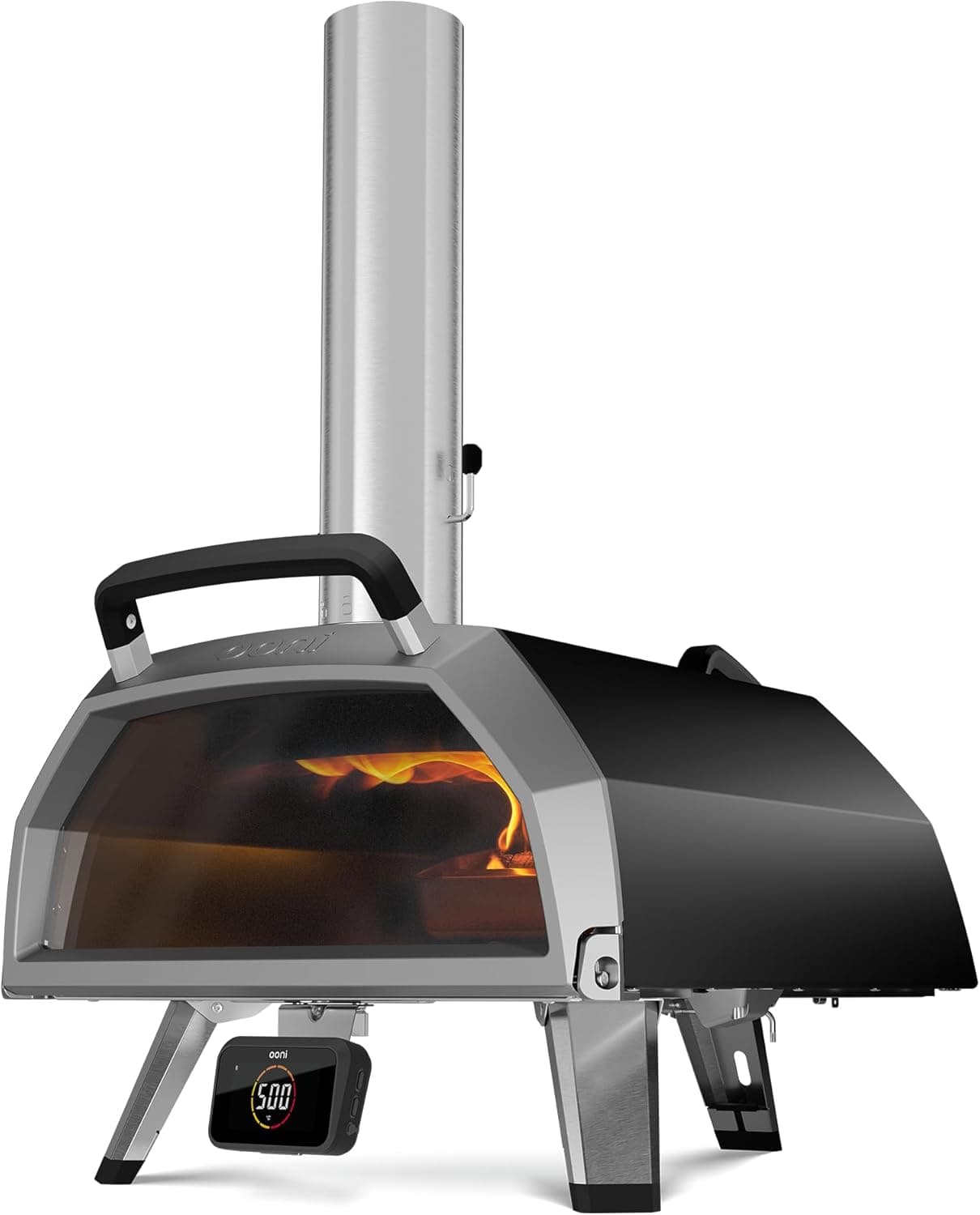
+ 16 inch capacity handles family-size pies and cast iron roasting
From our guide: Best Multi-Fuel Pizza Ovens: Gas, Wood, and Charcoal in One
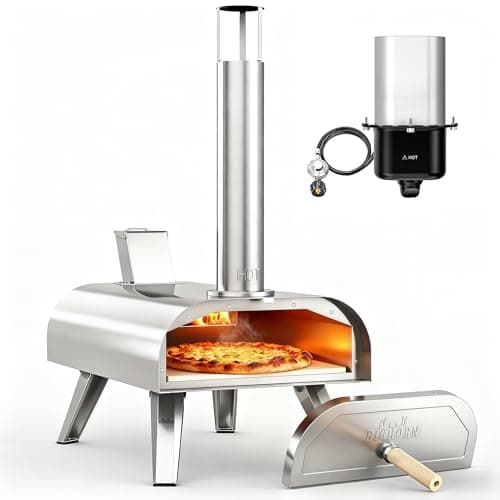
+ Burns wood or propane, so you choose between smoky flavor and easy control
From our guide: Best Multi-Fuel Pizza Ovens: Gas, Wood, and Charcoal in One
+ Gas burner is included, so you can switch between pellets and propane without buying a separate attachment
From our guide: Best Multi-Fuel Pizza Ovens: Gas, Wood, and Charcoal in One
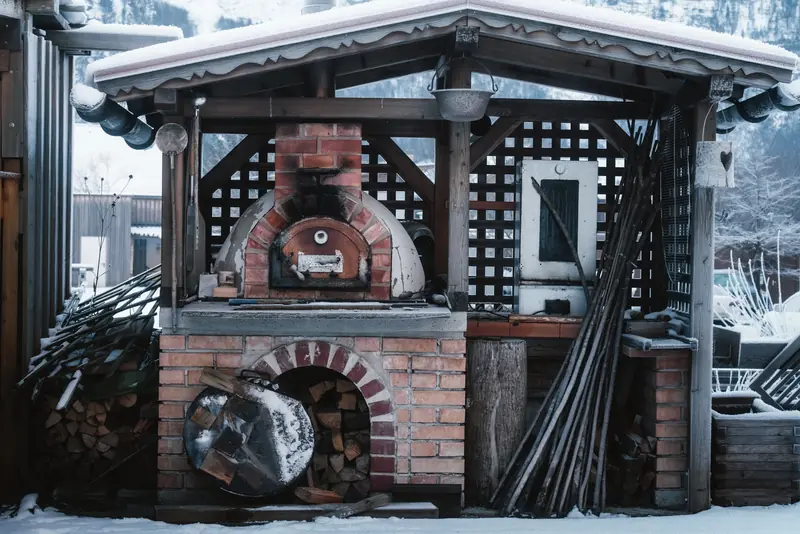
Budget more time and fuel for preheating, and verify with a thermometer rather than habit. A steel-and-stone oven radiating into minus five degree air loses heat faster from every surface, so the preheat that takes twenty minutes in July can take thirty or more in January, and the oven will burn noticeably more fuel per session. The infrared thermometer becomes non-negotiable in winter: judge readiness by the stone reading its normal target, not by elapsed time. Between pies, expect slower recovery and give the flame an extra minute or two before each launch.
Gas users need to think about their fuel below freezing. Propane vaporizes fine well below any temperature you will bake in, but a nearly empty tank in hard cold can struggle to maintain pressure as draw increases, so start winter sessions with a reasonably full tank and keep it upright and off frozen ground on a mat or stand. Butane and butane-blend canisters, common with some small burners, effectively stop vaporizing near freezing and are the wrong winter fuel entirely. If your flame runs weak and blue-orange in the cold, the tank, not the oven, is usually the reason. Wood burners have it easier, though winter-stored wood must be genuinely dry; damp splits waste their energy boiling off water.
Wind steals more heat than cold does. A ten-degree drop in air temperature is a minor tax, but a steady crosswind across the oven mouth strips heat continuously and can wreck flame stability, so positioning is the highest-value winter decision. Set the oven with its mouth away from the prevailing wind, use walls, fences, or a purpose-made windbreak to create calm air, and never operate a fuel-burning oven in an enclosed space, garages and gazebos with closed sides are carbon monoxide traps, not windbreaks. Cold, still air is fine baking weather; wind is the actual enemy.
The logistics between kitchen and oven deserve their own plan. Dough proofed in a warm kitchen and carried outside starts chilling immediately, and a dough ball that sits on a frozen patio table for ten minutes becomes the tight, tear-prone dough of your beginner days. Keep dough, sauce, and cheese indoors until the oven is fully ready, carry out one pizza's worth at a time on a tray, and build quickly. Have everything staged so pies move from build to launch in a minute or two. Finished pizzas also cool absurdly fast outdoors, so ferry them straight in, or better, cut and eat them inside while the next pie bakes.
Finish with the human factors. Wear gloves that you can actually work in and swap to bare hands only for stretching; keep a headlamp handy since winter baking is usually dark baking; and clear ice from the path you will walk repeatedly with hot food and cold hands. Cover the oven only after it is fully cool, and store it dry, since trapped condensation is harder on an oven than any frost. The reward for all this is real: the same margherita somehow tastes twice as good eaten in a warm kitchen while snow falls on the oven that made it.
Popular right now
- Best Semolina Flour for Pizza Peels and Crispier CrustsBuying guide
- Troubleshooting Soggy Pizza CentersArticle
- Best Low-Moisture Mozzarella for Homemade PizzaBuying guide
- Best Pizza Stone Sets with Peels and AccessoriesBuying guide
- Semolina vs Flour for DustingArticle
- Best Perforated Pizza Peels for Home OvensBuying guide
Based on the last 28 days of search and visitor data.