Choosing Your First Pizza Oven Without Overspending
Published How we research
Before you buy any pizza oven, answer one honest question: how often will you actually make pizza? An outdoor oven rewards people who bake weekly and punishes people who bake twice a year, because the skills it demands, fast launches, quick turns, live fire management, stay sharp only with repetition. If you are still learning dough, a 40 dollar baking steel in your kitchen oven will improve your pizza more than a 400 dollar oven on your patio. Buy the oven when your dough outgrows your kitchen, not before.
Products from this article
The highest-scoring picks from the buying guides this article links to. Scores are our editorial assessment, not customer ratings.
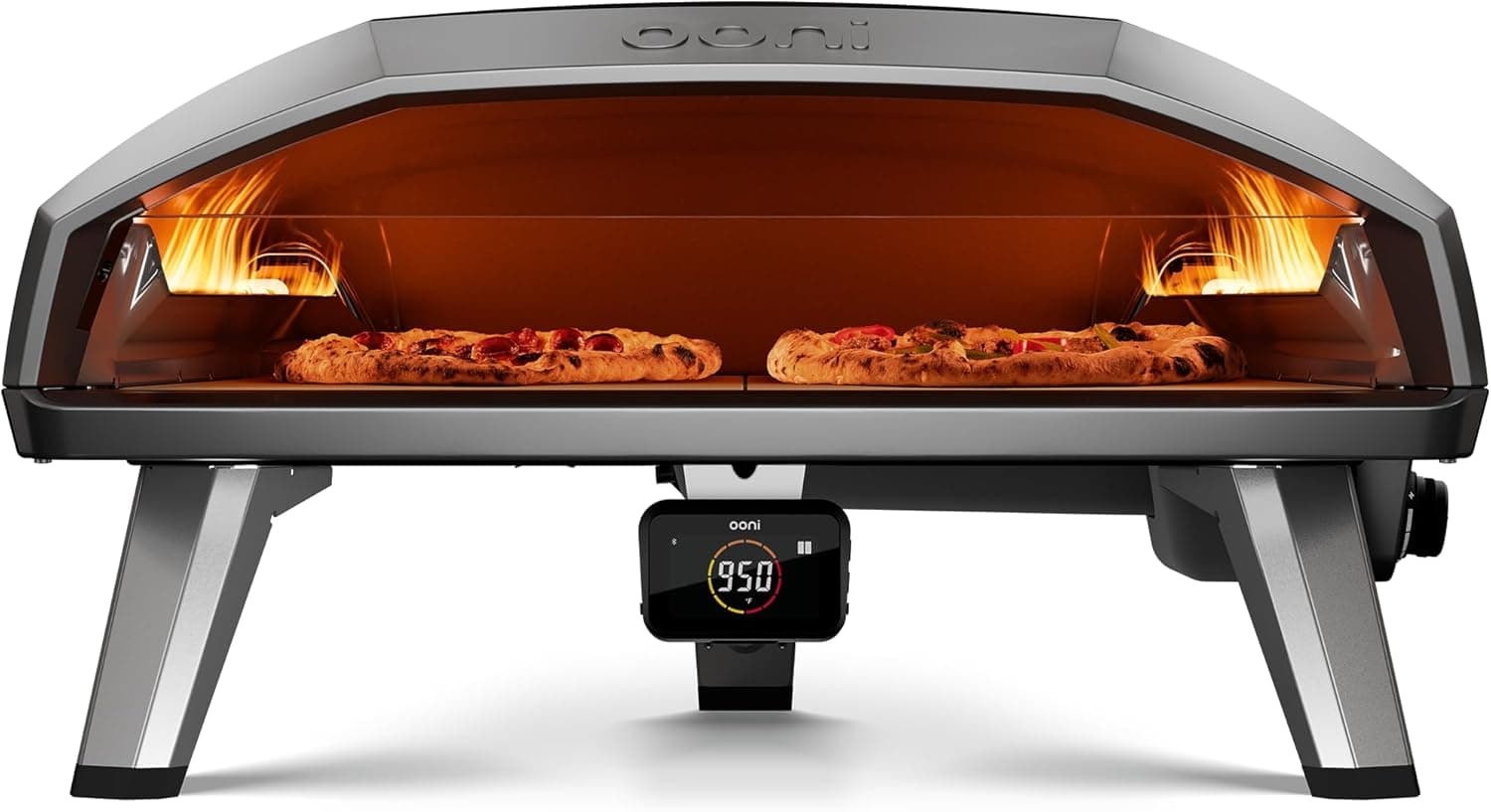
+ 24 inch cooking area fits large pizzas, breads and cast iron pans at once
From our guide: Best Outdoor Pizza Ovens for Backyard Cooking
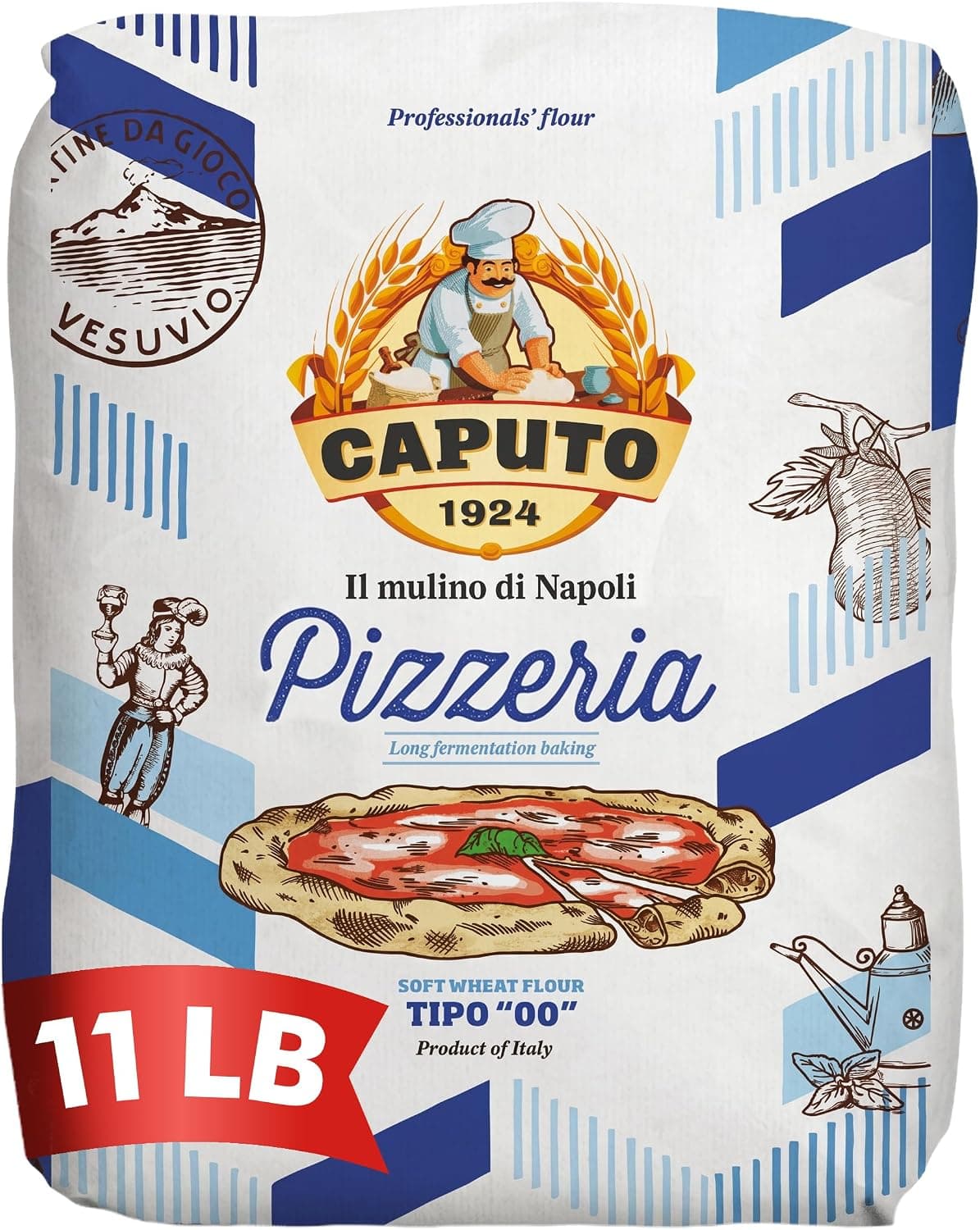
+ Pizzeria Blue flour is designed for long fermentation and high-heat ovens
From our guide: Best Pizza Ingredients to Buy
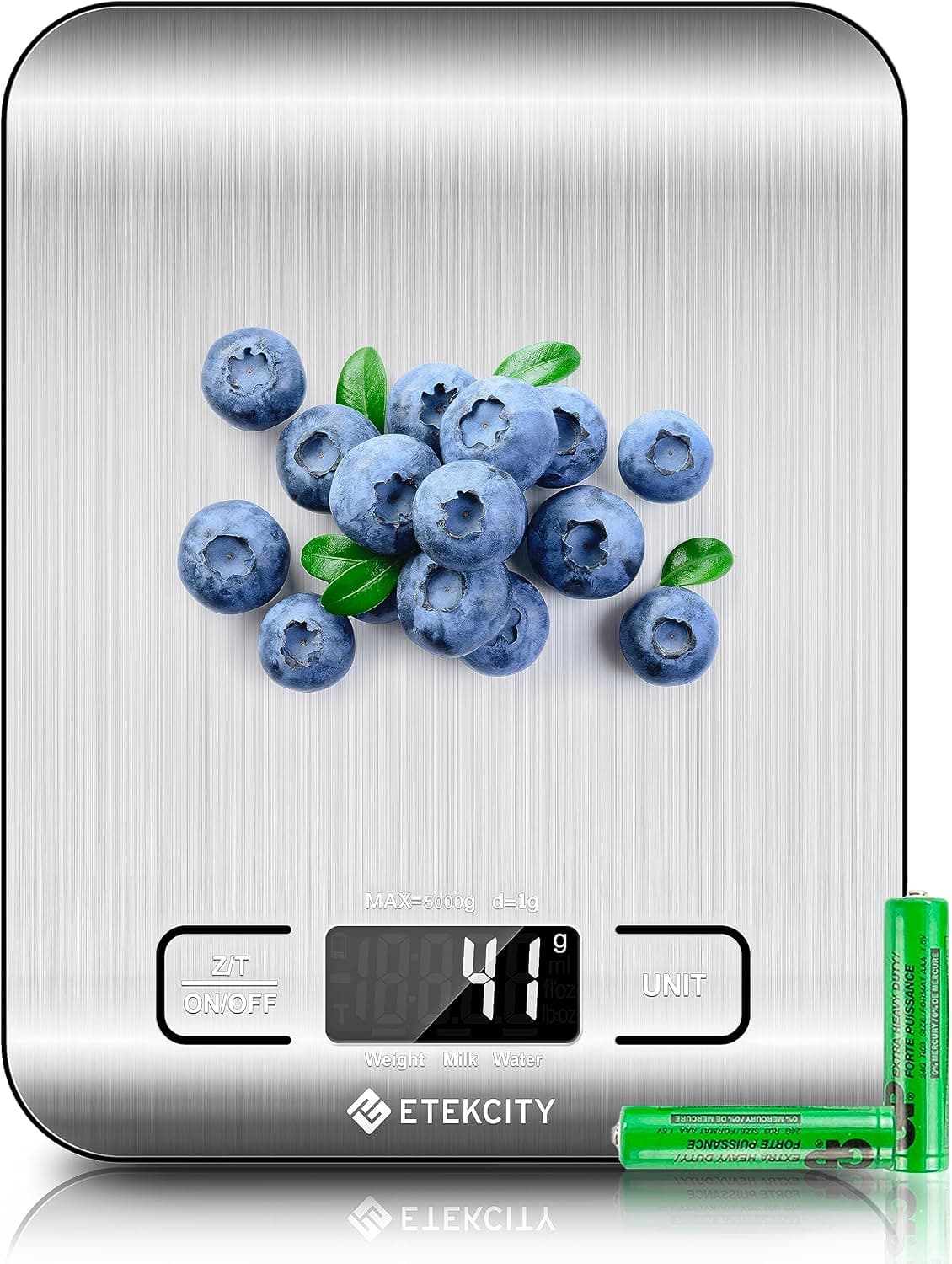
+ Grams mode makes weighing flour, water and salt for pizza dough precise
From our guide: Best Pizza Oven Accessories
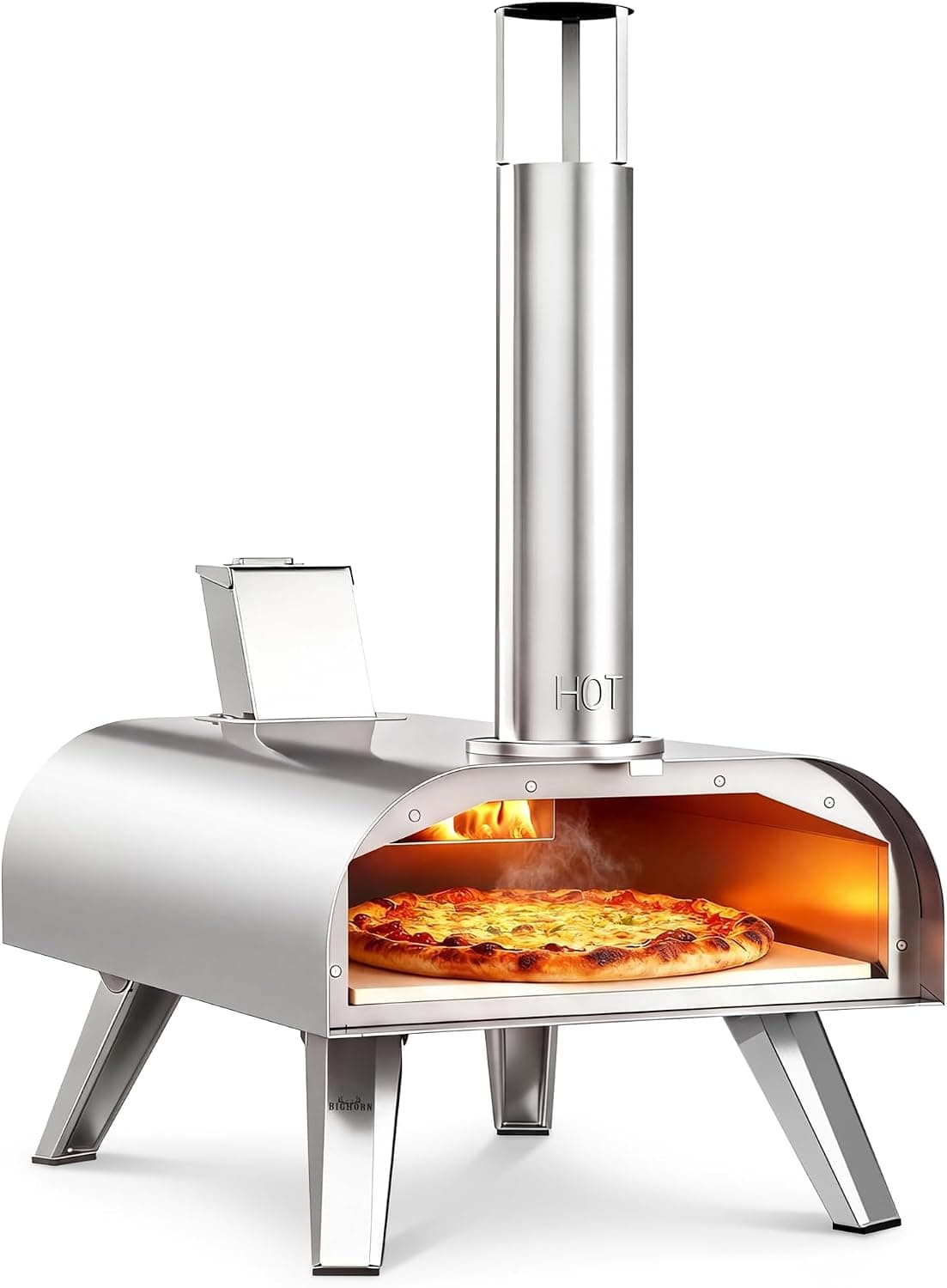
+ 3-in-1 fuel flexibility lets you start with pellets and add gas or electric later
From our guide: Best Outdoor Pizza Ovens for Backyard Cooking
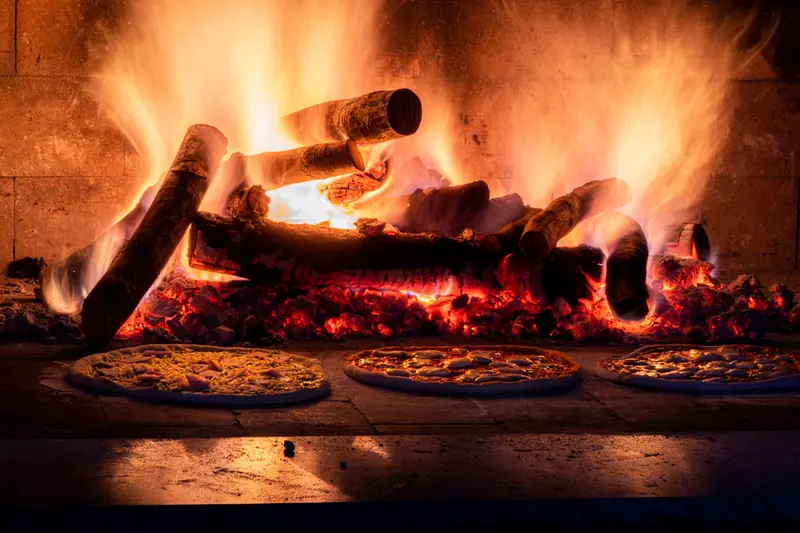
When you are ready, the first decision is fuel. Gas ovens light with a knob, hold temperature steadily, and let you focus entirely on the pizza, which makes them the sensible default for a first oven. Wood-fired models produce a marginally smokier character and a much better show, but they demand constant feeding and produce wild temperature swings that will burn a beginner's first dozen pies. Multi-fuel ovens sound like the best of both worlds, and they can be, but you pay a premium for a wood mode many owners stop using after the novelty fades.
Size is the decision people most often get wrong. A 12 inch oven is cheaper, lighter, and heats faster, and 12 inches is a perfectly satisfying personal pizza. But the smaller the oven mouth, the less room you have for turning errors, and the closer the flame sits to the crust. A 16 inch oven gives you margin: room to turn, room for a slightly misshapen pie, and the option of larger formats. If you can stretch the budget and have the storage space, the bigger mouth is worth it purely as a learning aid.
Think about where the oven will live and how far it is from your kitchen. Pizza night involves a surprising amount of ferrying: dough balls, sauce, cheese, toppings, peels, and finished pies all travel back and forth. An oven on a sturdy table near the back door gets used; an oven that needs to be dragged out of a shed does not. Check the weight before buying, because ovens with thick stone floors can pass 20 kilograms, and factor in a cover, a table that tolerates heat, and a gas hose that reaches your tank.
Budget realistically for the ecosystem, not just the oven. You will want an infrared thermometer to read the stone, a turning peel to rotate pies mid-bake, and a launching peel if the oven does not include one. Together these add 60 to 120 dollars, and they are not optional; baking blind into a 450 degree Celsius oven without a stone thermometer is how first pies become charcoal. Skip the branded accessories bundles and buy these three tools individually.
Finally, resist the idea that a better oven produces better pizza by itself. An oven only supplies heat; the dough decides almost everything else. The best first oven is the one you will fire up every weekend, and for most people that means a mid-sized gas model at a price that does not make them precious about using it. Master that, and you will know exactly what you want from your second oven, if you ever need one at all.
Popular right now
- Best Semolina Flour for Pizza Peels and Crispier CrustsBuying guide
- Troubleshooting Soggy Pizza CentersArticle
- Best Low-Moisture Mozzarella for Homemade PizzaBuying guide
- Best Pizza Stone Sets with Peels and AccessoriesBuying guide
- Semolina vs Flour for DustingArticle
- Best Perforated Pizza Peels for Home OvensBuying guide
Based on the last 28 days of search and visitor data.