Detroit Style Pizza at Home
Published How we research
Detroit style is the friendliest advanced pizza there is: it requires no stretching skill, no launch, and no outdoor oven, yet it delivers one of the most spectacular results in pizza, a thick, airy square with a fried, lacy cheese edge that people fight over. Because the dough bakes in an oiled steel pan, every hard part of pizza making, the shaping, the peel work, the sticking, simply disappears. If your hand-stretched rounds keep going wrong, a Detroit bake is the fastest route back to confidence.
Products from this article
The highest-scoring picks from the buying guides this article links to. Scores are our editorial assessment, not customer ratings.
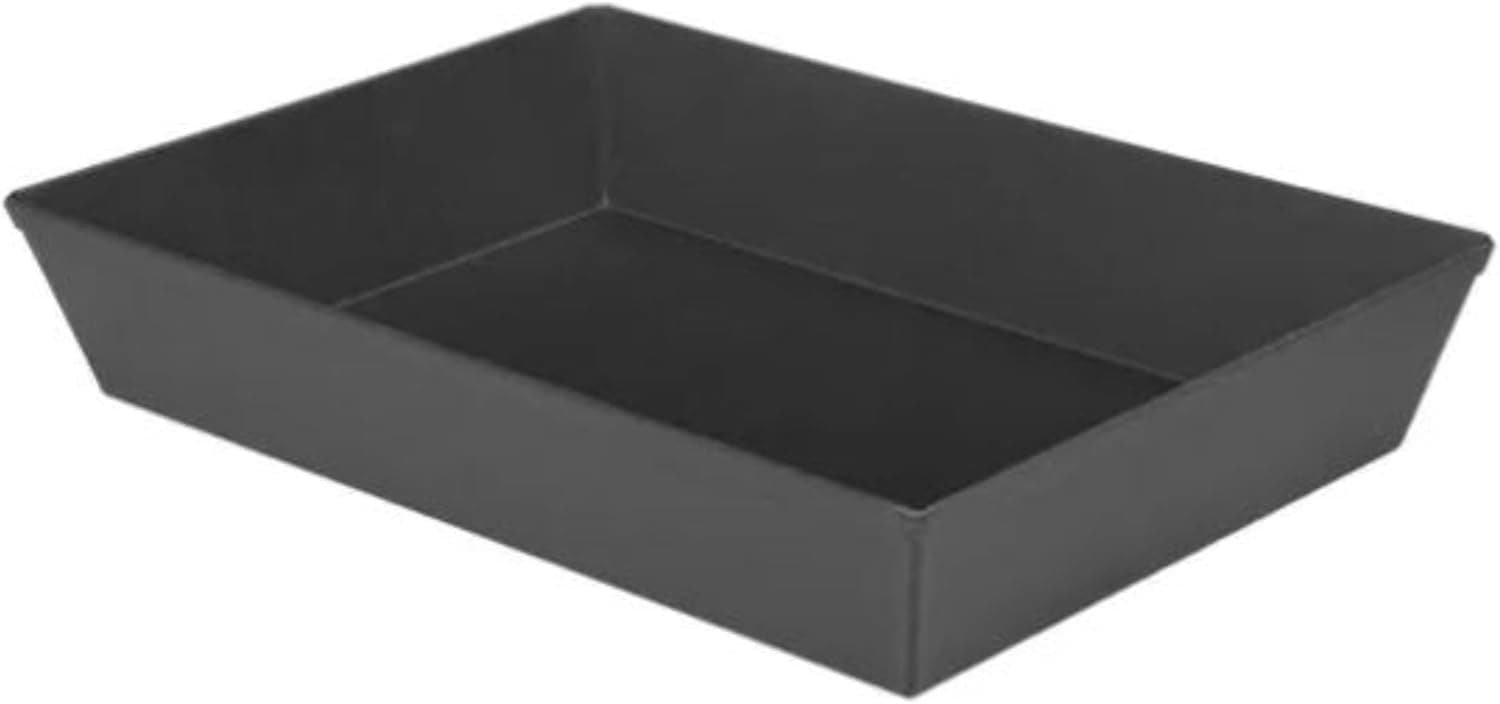
+ 2.5 Inch deep walls create the tall, caramelized cheese edge Detroit style needs
From our guide: Best Detroit-Style Pizza Pans for Crispy Cheese Edges
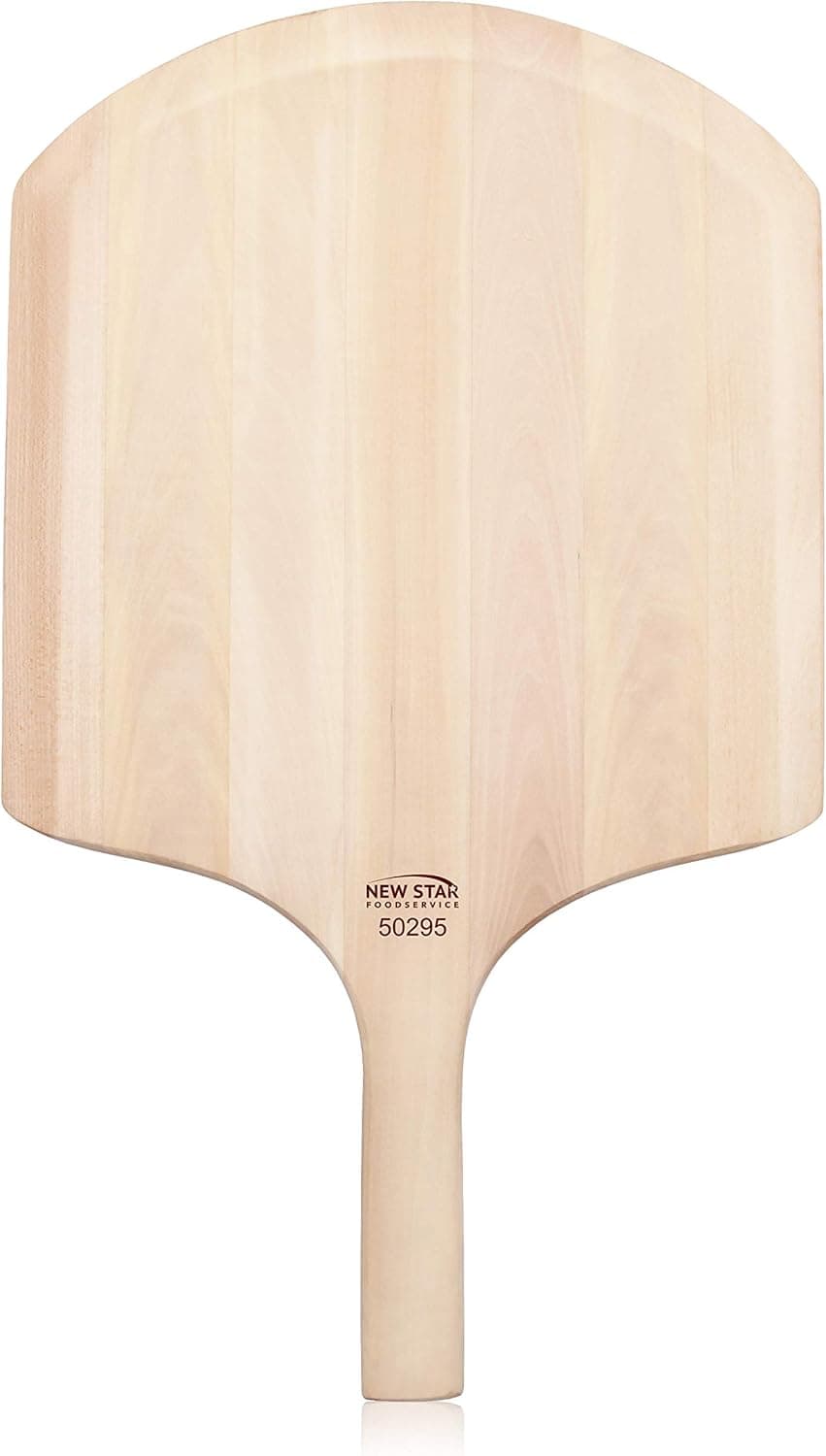
+ Restaurant-grade construction stands up to frequent pizza nights
From our guide: Best Wooden Pizza Peels for Launching Dough
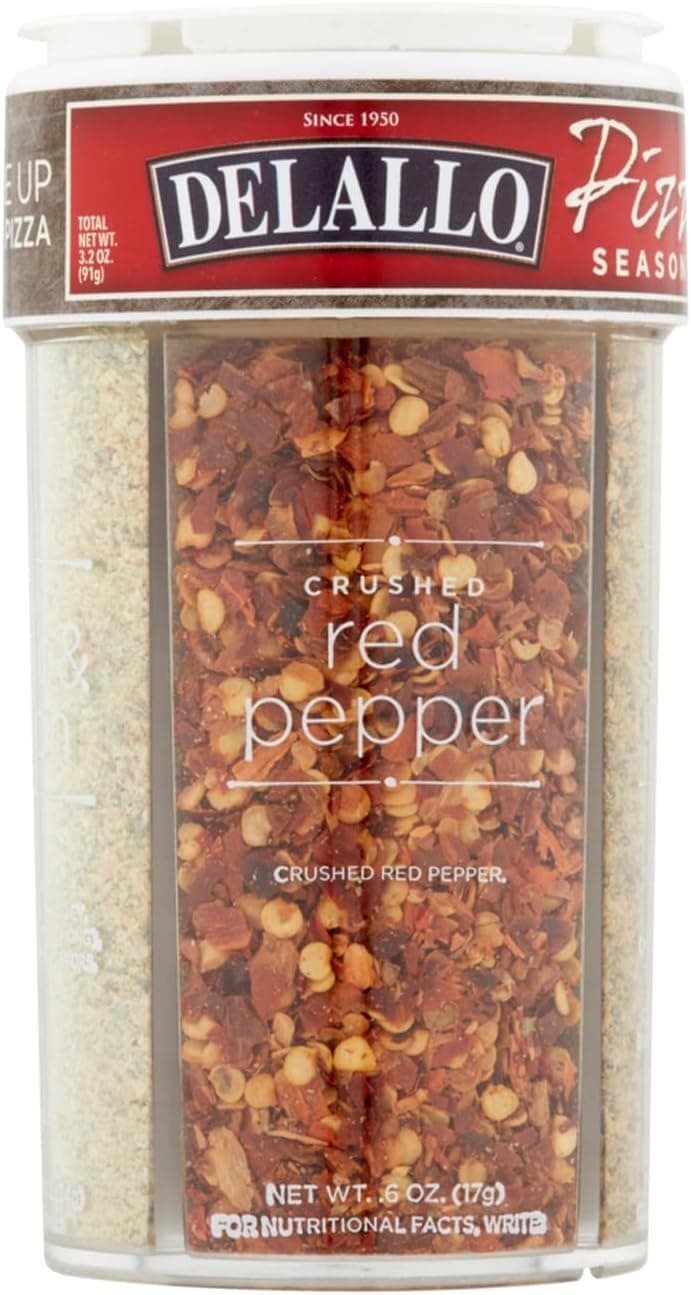
+ 4 Spice sections let each guest season a slice their own way
From our guide: Best Pizza Seasonings and Topping Blends to Keep on Hand
+ Hard anodized aluminum conducts heat quickly and evenly
From our guide: Best Detroit-Style Pizza Pans for Crispy Cheese Edges
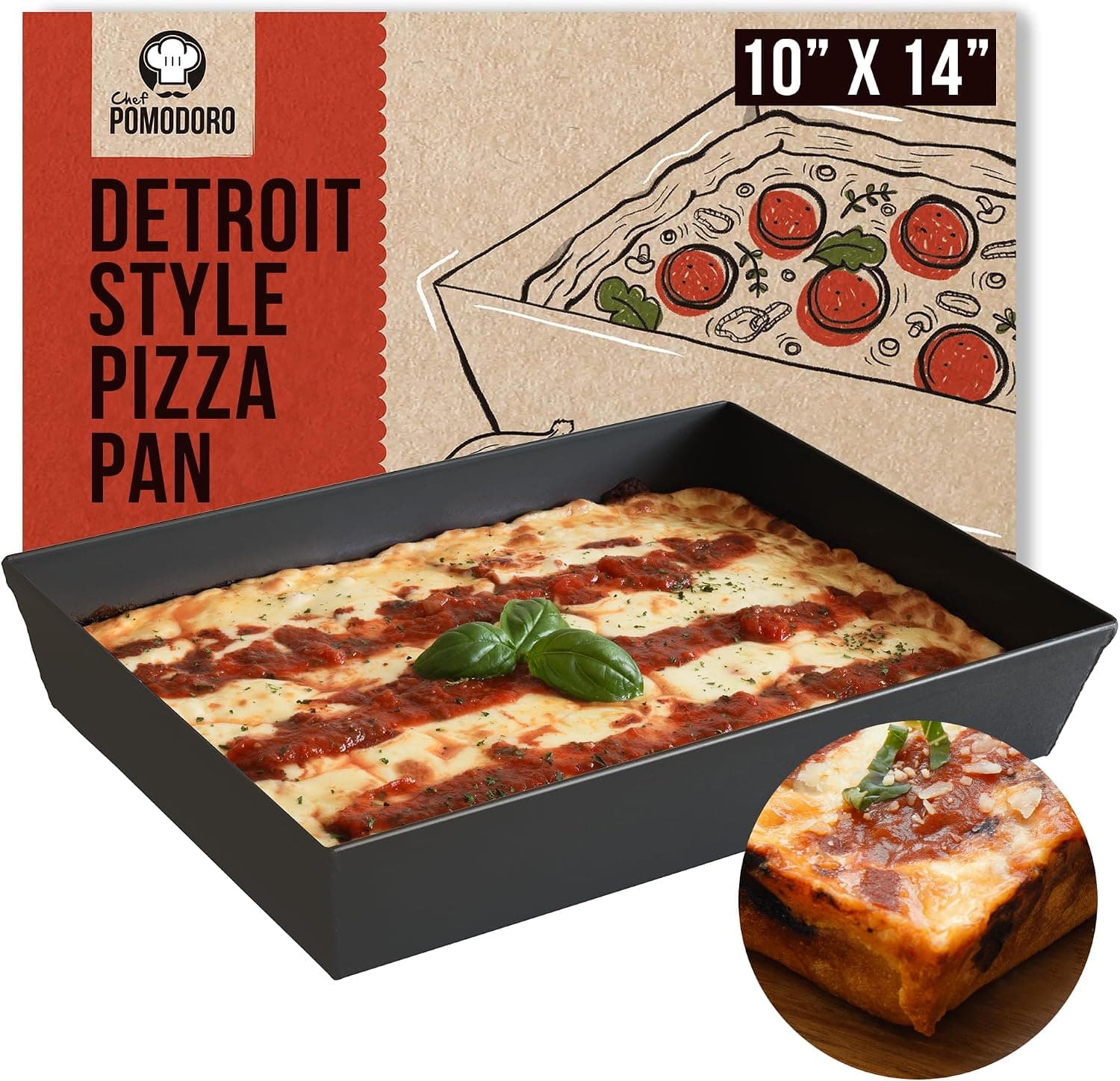
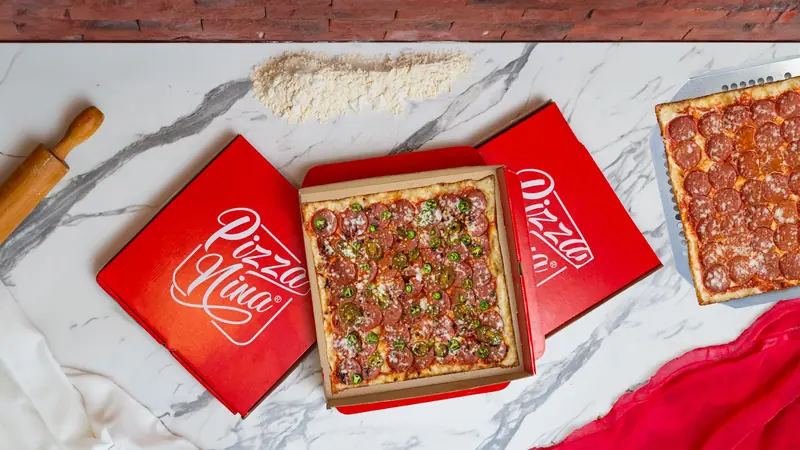
The pan is the heart of the style. Original Detroit pies bake in blued steel automotive parts trays, and their modern equivalents, seasoned steel pans roughly 25 by 35 centimeters with tall straight sides, replicate the effect: aggressive bottom conduction and hot walls that fry whatever touches them. A quality anodized or seasoned steel pan is worth the modest cost, but a sturdy rectangular cake pan or even a cast-iron skillet will get you most of the way while you decide if the style is your thing. Whatever you use, oil it generously; the base should nearly shallow-fry.
The dough is wet and lazy in the best way. Aim for 70 to 75 percent hydration with bread flour, 2 percent salt, and around 0.5 percent instant yeast, mixed just until combined, then developed with two or three sets of folds. No serious kneading is needed. Let it rise until doubled, then press it into the oiled pan, dimpling it toward the corners with your fingertips. The dough will resist; cover it, wait twenty minutes, and press again. After the final press, let it proof in the pan for one to two hours until puffy and bubbled. This slow relaxation is why the crumb bakes so open and light.
Cheese placement defines Detroit style. The traditional cheese is brick cheese, buttery and high-fat; outside the Midwest, a blend of low-moisture mozzarella with a little Monterey Jack or mild cheddar lands close. The crucial move is scattering cubed or shredded cheese all the way to the pan walls, deliberately touching the metal. During the bake, that perimeter cheese fries into the caramelized crown called frico, the crackly dark edge that makes the style famous. Under-cheesing the edges out of tidiness is the one unforgivable Detroit mistake.
Sauce goes on top, and often after the bake. The classic presentation stripes two or three bands of robust, well-seasoned tomato sauce lengthwise over the cheese, either in the final minutes of baking or right out of the oven, keeping the crumb beneath from steaming soggy and the sauce tasting bright. Bake the assembled pan at 250 to 280 degrees Celsius on a low rack, or atop a preheated steel, for 12 to 15 minutes until the top is blistered and the edges are deep mahogany. Resist pulling it early; pale Detroit is a contradiction in terms.
The last step separates good from great: get the pizza out of the pan within a couple of minutes of baking. Run a thin spatula around the edges, listen for the crackle as the frico releases, and transfer the whole slab to a rack so the fried base stays crisp instead of steaming in its own pan. Cut into squares, corner pieces to your favorite people, and take a note or two for next time. Most bakers nail a genuinely impressive Detroit pie by their second attempt, which is a return on effort nothing else in pizza matches.
Popular right now
- Best Semolina Flour for Pizza Peels and Crispier CrustsBuying guide
- Troubleshooting Soggy Pizza CentersArticle
- Best Low-Moisture Mozzarella for Homemade PizzaBuying guide
- Best Pizza Stone Sets with Peels and AccessoriesBuying guide
- Semolina vs Flour for DustingArticle
- Best Perforated Pizza Peels for Home OvensBuying guide
Based on the last 28 days of search and visitor data.