Home Pizza for Beginners
Published How we research
Making pizza at home looks intimidating from the outside, but the truth is that a genuinely good pie requires only four ingredients, a hot surface, and a little patience. Flour, water, salt, and yeast make the dough. A steel, stone, or even an upside-down sheet pan makes the surface. Everything else, from fancy ovens to imported flour, is an upgrade you can add later. Your first goal should be modest: a crust with real browning, a center that is not wet, and cheese that melts evenly. Hit those three marks and you are already ahead of most delivery pizza.
Products from this article
The highest-scoring picks from the buying guides this article links to. Scores are our editorial assessment, not customer ratings.
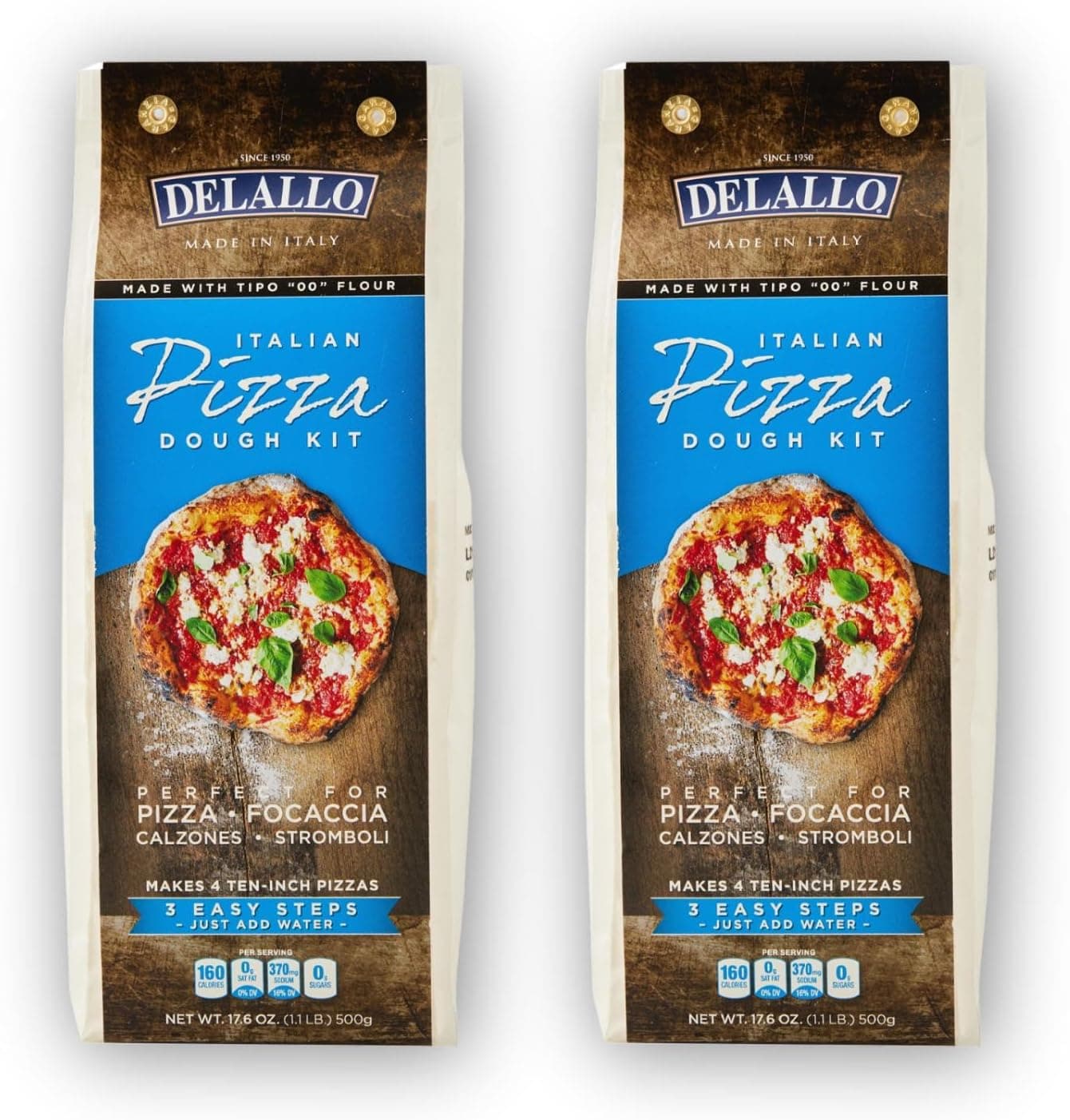
+ 00 flour is finely milled for soft, extensible pizza dough
From our guide: Best Pizza Dough Kits for Easy Homemade Crust
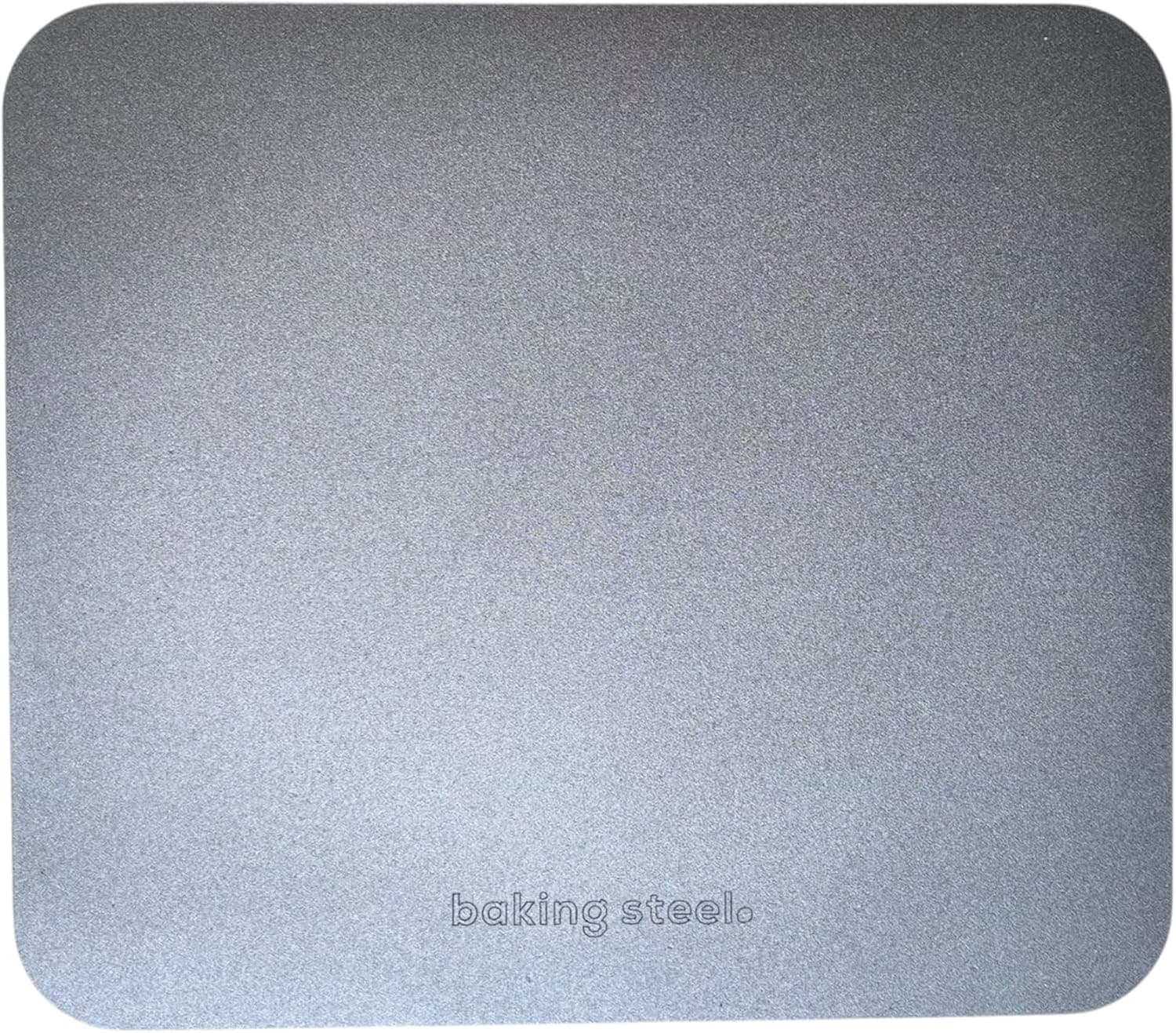
+ Pre-seasoned surface is ready to bake right out of the box
From our guide: Best Pizza Steels for Crispier Home Oven Crust
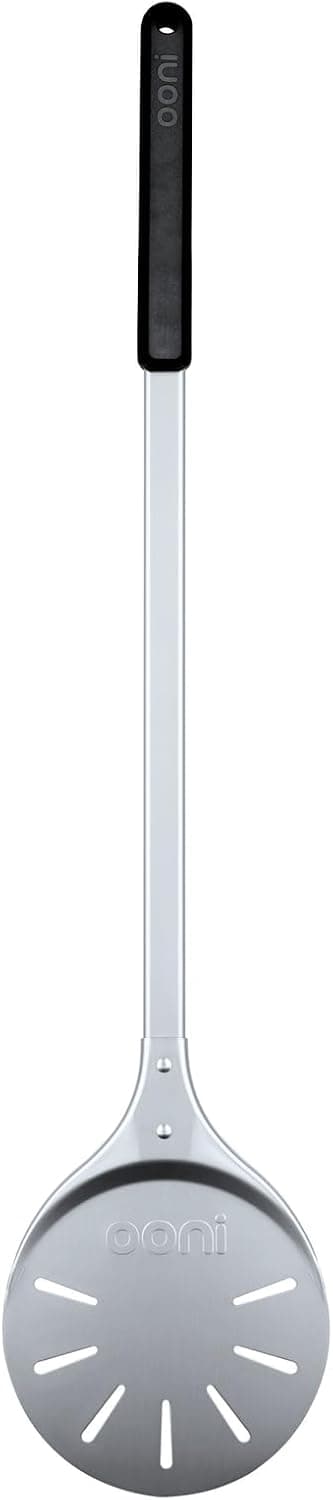
+ 7 Inch perforated head fits easily through Ooni and other small oven mouths
From our guide: Best Turning Peels for Even Home Pizza Bakes
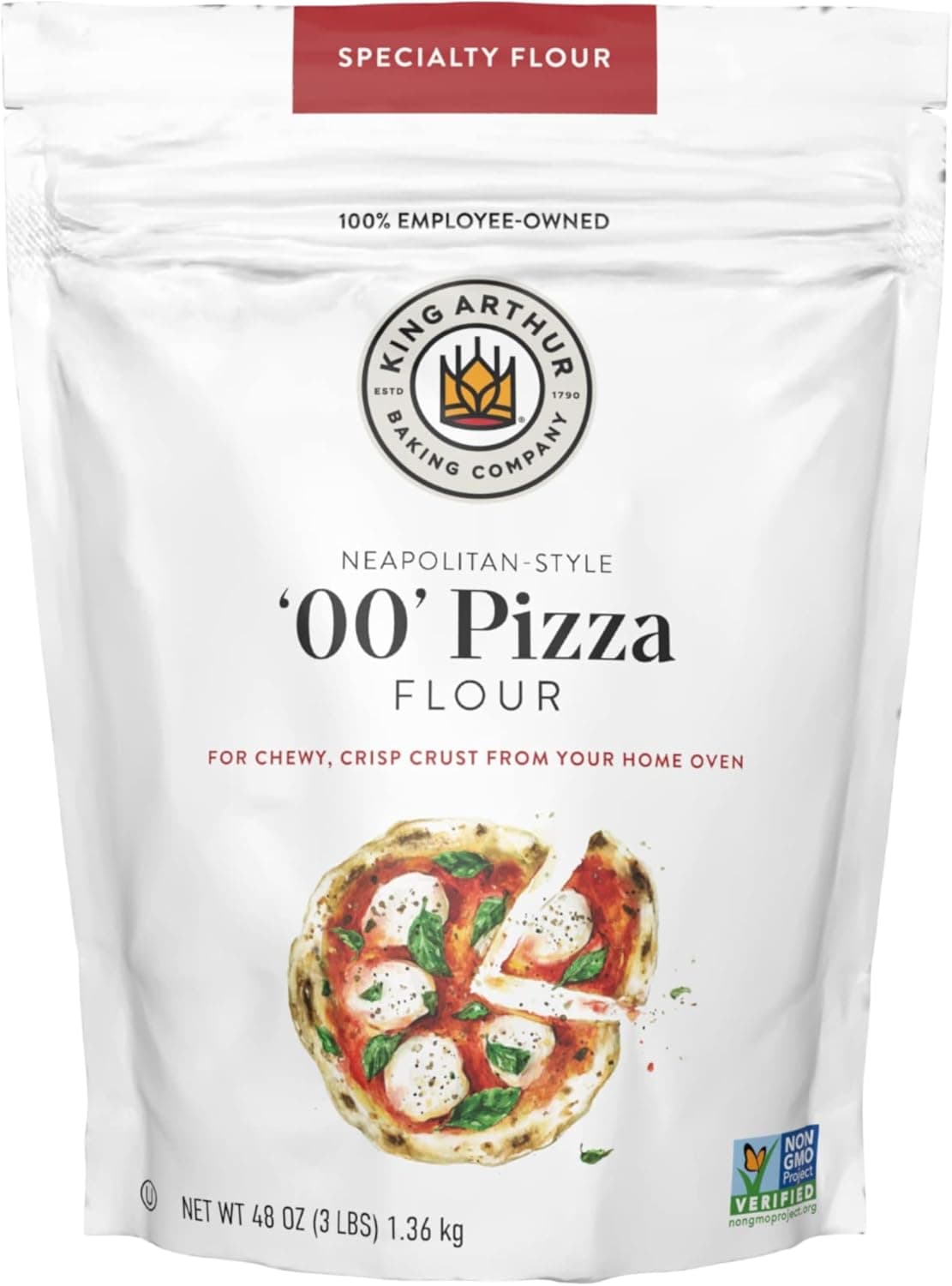
+ 00 superfine flour gives a tender, Italian-style crust
From our guide: Best Pizza Dough Kits for Easy Homemade Crust
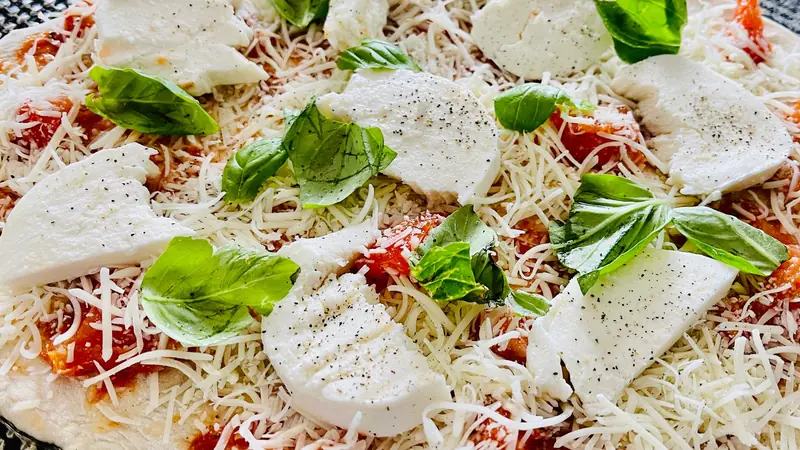
Start with a simple dough at around 65 percent hydration, which means 650 grams of water for every 1000 grams of flour. Mix everything until no dry flour remains, rest it for twenty minutes, then knead for five. You do not need a stand mixer. A few sets of stretch-and-folds spaced fifteen minutes apart will build all the strength a beginner dough needs. Let the dough rise at room temperature for a few hours, divide it into 250 gram balls, and give the balls at least another hour before stretching. Rushed dough fights you; rested dough cooperates.
Your home oven is more capable than you think, but only if you preheat properly. Put a baking steel or stone on an upper-middle rack and run the oven at its maximum temperature for a full 45 to 60 minutes. The air inside heats quickly, but the surface you bake on needs time to store enough energy to brown the underside of the crust. A cold or half-heated stone is the number one cause of pale, floppy beginner pizza. If your oven has a broiler, switching it on right before launching helps the top of the pie keep pace with the bottom.
Keep your first toppings boring on purpose. A crushed tomato sauce straight from the can with a pinch of salt, low-moisture mozzarella, and a drizzle of olive oil is the classic learning setup because every mistake shows clearly. If the center is soggy, you used too much sauce. If the cheese pooled grease, the bake ran too long at too low a temperature. Wet toppings like fresh mozzarella, mushrooms, or pineapple can come later, once you can read what a pie is telling you.
Stretching and launching are the two skills that actually take practice, so treat your first several attempts as tuition. Press the dough flat with your fingertips, leaving a rim untouched, then drape it over your knuckles and let gravity do the widening. Build the pizza on a floured peel or an overturned baking sheet, give it a confidence shake to confirm it slides, and launch with a quick forward-and-back motion. If it sticks, lift the edge, throw flour underneath, and try again. Nobody launches perfectly on day one.
Finally, keep notes. Write down your flour brand, water amount, rise time, oven temperature, and bake time for every session, along with one sentence about the result. Pizza improves through iteration, and the difference between someone who plateaus and someone who steadily gets better is usually a notebook, not talent. Change one variable at a time, make pizza once a week, and within two months you will be turning out pies that surprise you.
Popular right now
- Best Semolina Flour for Pizza Peels and Crispier CrustsBuying guide
- Troubleshooting Soggy Pizza CentersArticle
- Best Low-Moisture Mozzarella for Homemade PizzaBuying guide
- Best Pizza Stone Sets with Peels and AccessoriesBuying guide
- Semolina vs Flour for DustingArticle
- Best Perforated Pizza Peels for Home OvensBuying guide
Based on the last 28 days of search and visitor data.