Launching Pizza Without Sticking
Published How we research
Every home pizza maker has a launch horror story: the confident flick, the dough that stays put, and the toppings that carry on without it. Sticking feels random, but it is almost entirely a moisture and time problem. Dough is full of water, the peel is dry wood or metal, and the moment they meet, the dough starts bonding to the surface. Your entire launching strategy is really just a race: build the pizza and get it into the oven before that bond forms. Understand that, and every rule below makes sense.
Products from this article
The highest-scoring picks from the buying guides this article links to. Scores are our editorial assessment, not customer ratings.
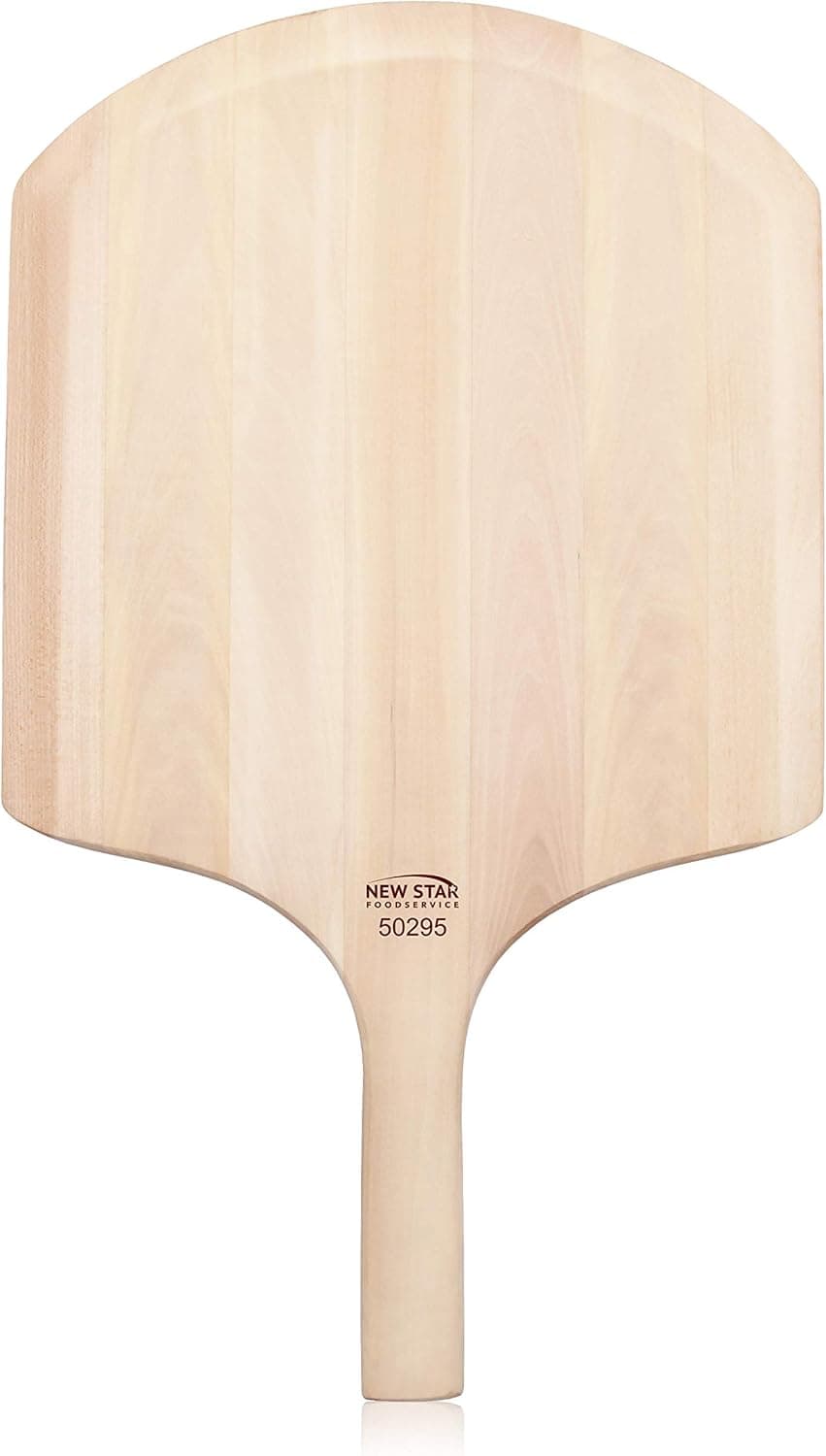
+ Restaurant-grade construction stands up to frequent pizza nights
From our guide: Best Wooden Pizza Peels for Launching Dough
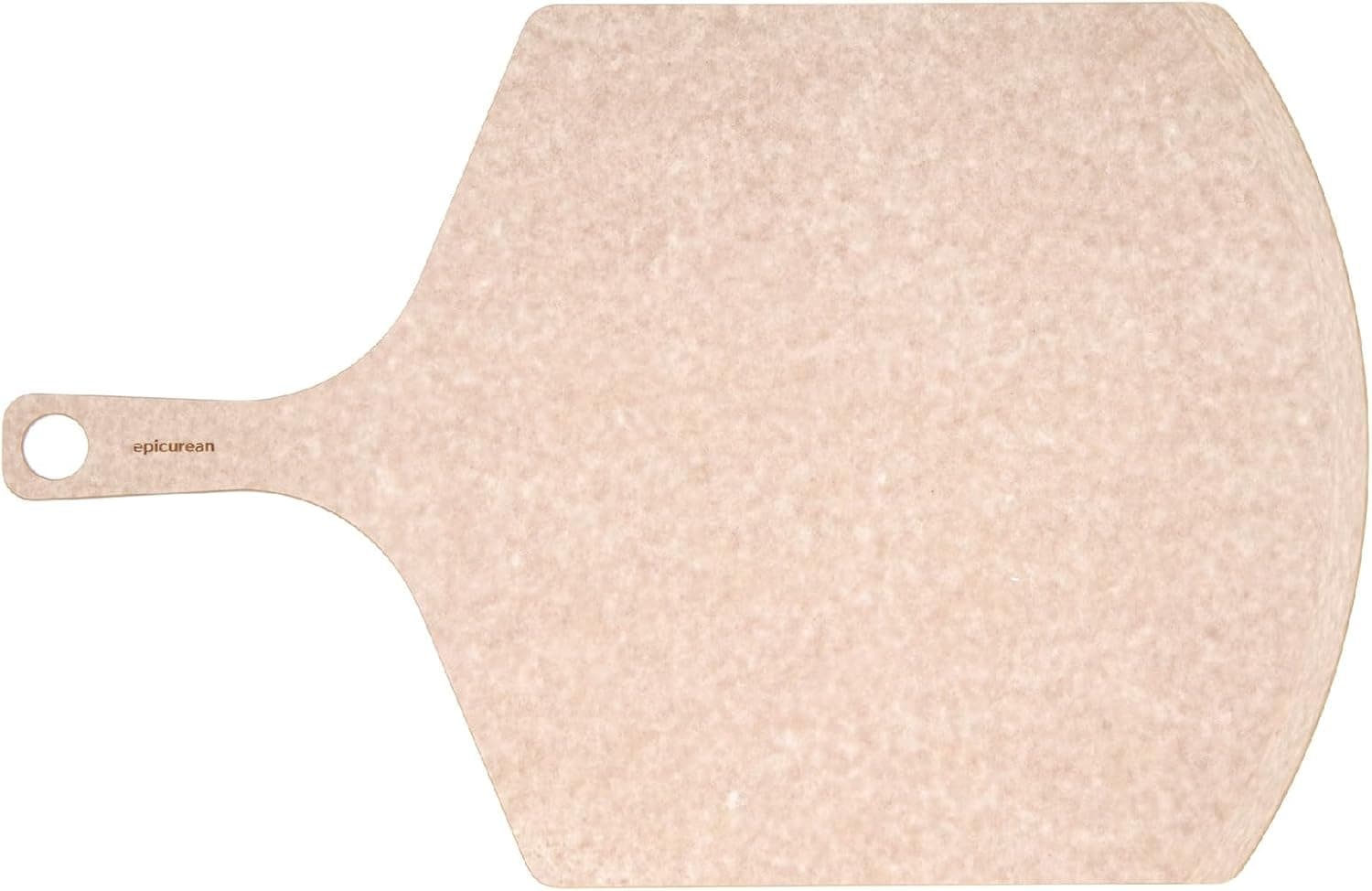
+ 21-Inch by 14-Inch surface carries large pizzas and bread loaves
From our guide: Best Pizza Peels for Launching and Turning Pies
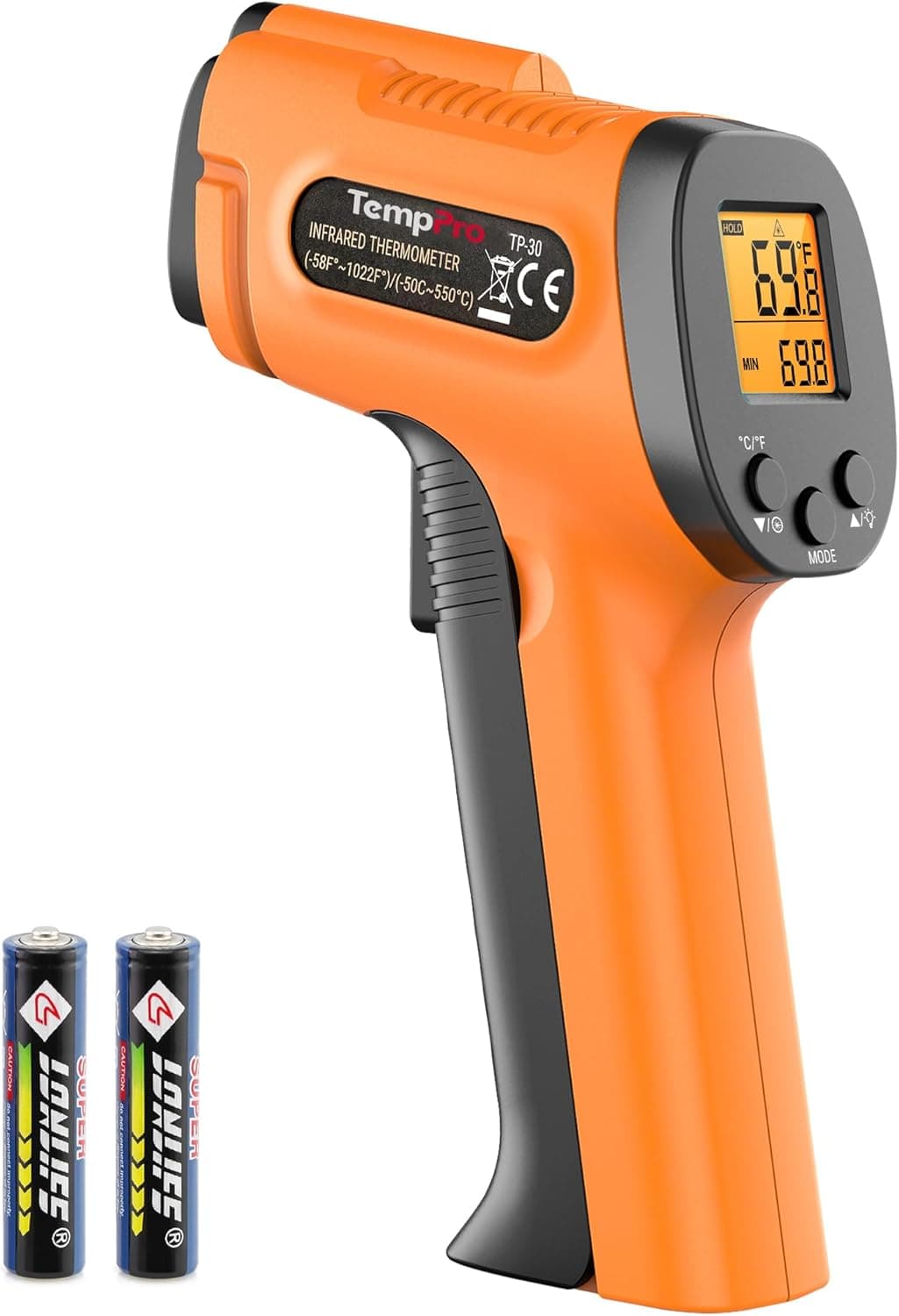
+ Reads up to 1022F, covering most gas and wood-fired pizza stones
From our guide: Best Infrared Thermometers for Pizza Ovens
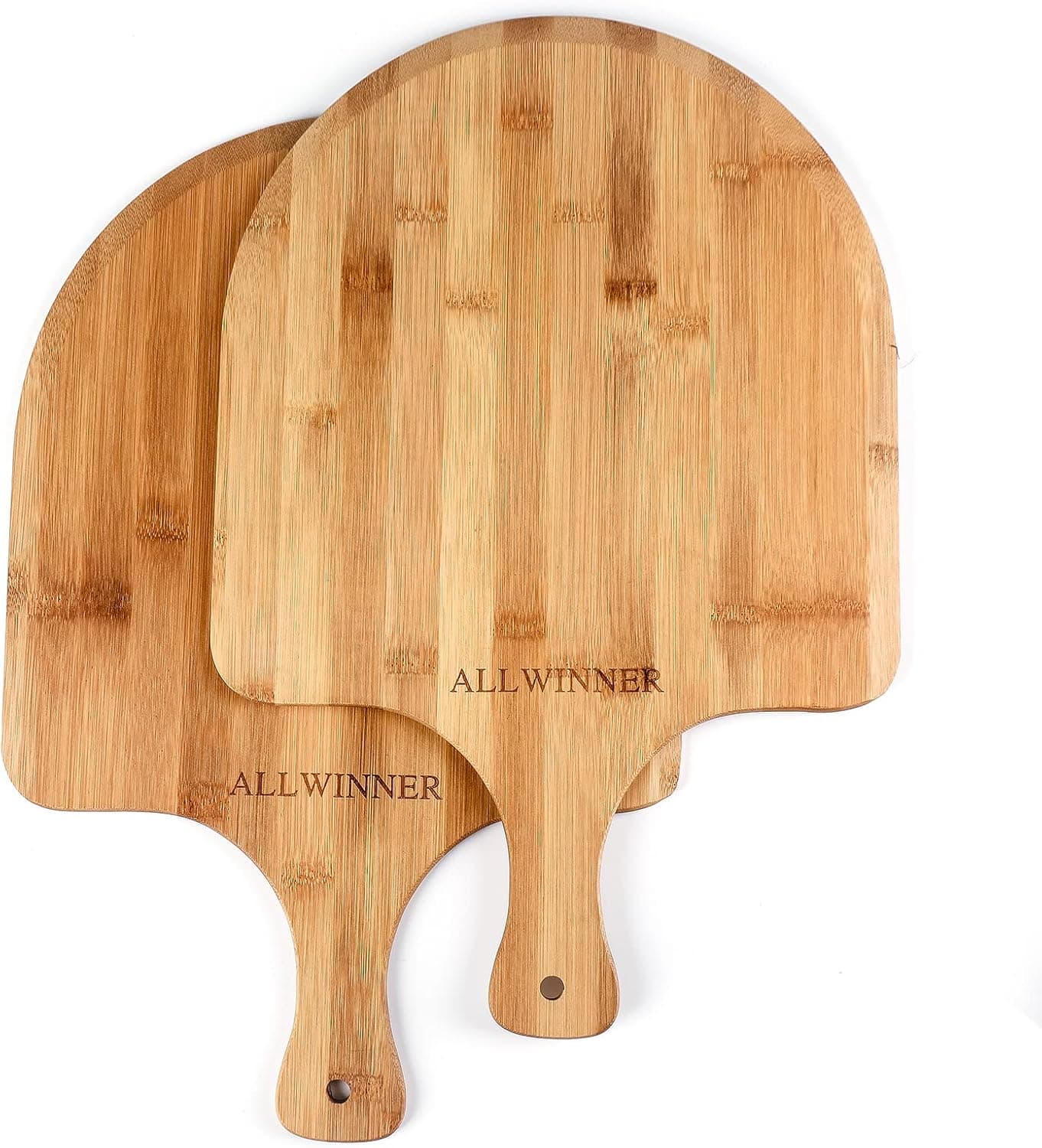
+ 2 Pack lets you build one pizza while the other peel serves the last one
From our guide: Best Wooden Pizza Peels for Launching Dough
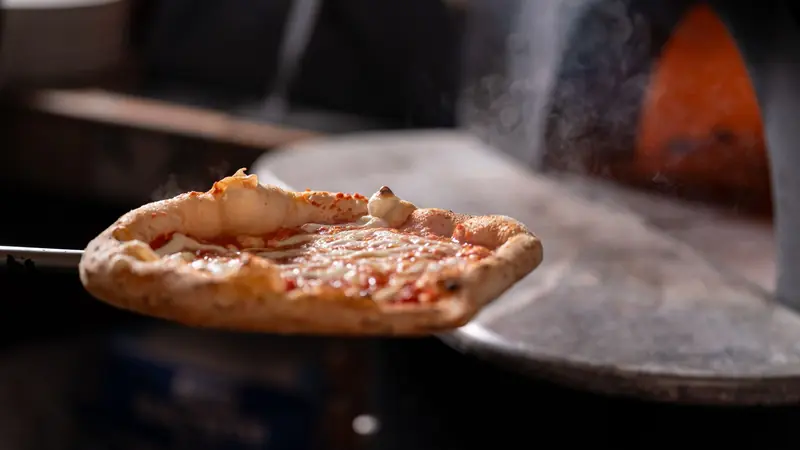
Start with the right foundation on the peel. A light, even layer of flour, semolina, or a mix of both acts as ball bearings between dough and peel. Semolina's coarse grains roll rather than absorb, which is why many pizzerias blend it with flour. More is not better: a thick drift of raw flour scorches in the oven and coats the base in bitterness. Dust, spread with your palm, and tap off the excess. Wooden peels have a slight advantage for launching because wood wicks a little surface moisture and grips less; metal peels excel at turning and retrieving.
Speed of assembly matters more than any product you can buy. Stretch your dough on the bench, not on the peel, then transfer it and immediately give the bare dough a shake test; it should glide freely. From this moment you have roughly 60 to 90 seconds of safe working time. Sauce first, then cheese and toppings, moving briskly and keeping wet ingredients modest, because sauce that slops over the edge cements dough to peel instantly. Between each topping stage, give the peel a tiny shake. Constant confirmation beats discovering a weld at launch time.
The shake test is your single best insurance. Before walking to the oven, hold the peel level and give it one sharp, short jerk. The whole pizza should shift as a unit, even a centimeter. If it moves, launch with confidence. If any section stays anchored, do not launch. Lift the stuck edge gently, blow or sprinkle flour underneath, lift the opposite side, and repeat until the shake succeeds. Launching a partially stuck pizza is how calzones are accidentally invented and how oven stones get sauced.
The launch itself is a slide, not a throw. Angle the peel down slightly, touch its tip to the far side of where you want the pizza to land, and pull the peel back with a smooth, decisive motion, letting the pizza's rear edge catch the stone and the rest follow. Hesitation is the enemy: a slow, tentative pull drags toppings forward and folds the leading edge. Commit. If the shape lands slightly oval, you can nudge the rim with a turning peel in the first ten seconds before the base sets.
If disaster strikes anyway, triage calmly. A pie folded on the stone can often be flattened and straightened in the first seconds with two peels or tongs; it will be rustic but edible. Sauce spilled on the stone should just burn off; scrape the carbon later when the oven cools. And after any failure, diagnose: was the dough too wet, the peel under-floured, the build too slow, the shake skipped? Sticking is a solved problem, and each launch is a repetition. After twenty pies, the fear simply leaves, replaced by a small ritual: dust, stretch, build fast, shake, commit.
Popular right now
- Best Semolina Flour for Pizza Peels and Crispier CrustsBuying guide
- Troubleshooting Soggy Pizza CentersArticle
- Best Low-Moisture Mozzarella for Homemade PizzaBuying guide
- Best Pizza Stone Sets with Peels and AccessoriesBuying guide
- Semolina vs Flour for DustingArticle
- Best Perforated Pizza Peels for Home OvensBuying guide
Based on the last 28 days of search and visitor data.