How to Fix Pizza That Burns Underneath Before the Top Cooks
One of the most common problems with portable pizza ovens and pizza steels is a base that chars black while the cheese is still pale and the toppings barely cooked. It means the cooking surface is much hotter than the air and flame above the pizza. The fix is balancing heat between the floor and the top, which depends on your oven type, preheat habits and how you manage the flame during cooking.
Measure floor temperature
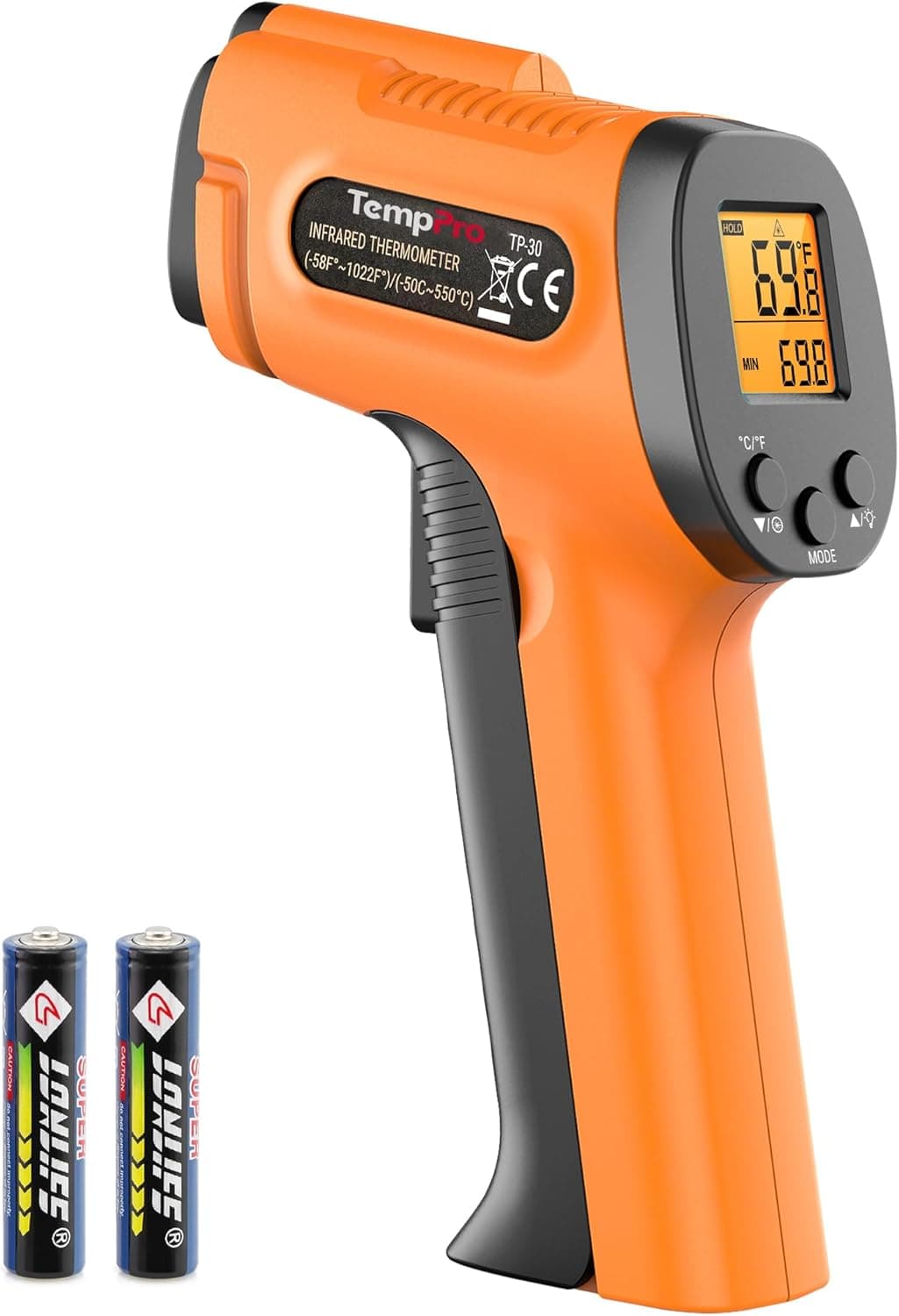
An infrared thermometer is the best tool for diagnosing this problem. Measure the centre of the stone or steel before launching, since the floor is often far hotter or cooler than the oven's built-in thermometer suggests.
Neapolitan-style pizzas in high-heat ovens are often cooked with stone temperatures around 750-850°F (400-450°C), while New York-style pizzas usually bake better on cooler surfaces. If the base burns in under a minute but the top is still raw, the floor is likely too hot for your dough and style.
Balance heat in portable ovens
In gas pizza ovens, turn the flame down to low for a short time after launching so the stone stops browning the base, then turn it up again near the end to finish the top. Many pizza makers also turn the flame down between pizzas to let the stone recover without overheating.
In wood-fired ovens, add a small piece of wood just before launching to create a strong flame across the dome. That rolling flame cooks the cheese and crust edge while the base cooks at the same time.
Adjust home oven setups
In a home oven, move the steel or stone closer to the top heating element so the top cooks faster. Switching to the broiler for the last minute or two browns cheese and crust without further burning the base.
Pizza steels transfer heat very quickly. If your base burns on a steel, try preheating for less time, lowering the temperature slightly or switching to a stone for thicker styles.
Check dough and flour
Doughs with sugar, honey, milk or oil brown faster and burn at the high temperatures used for Neapolitan pizza. Use recipes suited to your oven temperature, and save sweeter doughs for lower-heat baking.
Excess flour or semolina on the peel burns on the hot surface and leaves a bitter taste. Shake off dusting flour before launching and brush the stone clean between pizzas.
Turn and lift the pizza
Turning the pizza regularly with a turning peel keeps the side nearest the flame from burning and exposes all sides evenly. In very hot ovens, turn every 15-20 seconds.
Lifting the pizza briefly toward the dome, known as doming, cooks the top without contact with the hot floor. This is especially helpful when cheese needs a few seconds more.
Watch topping load
Heavy toppings and wet ingredients slow cooking on top while the base keeps cooking. Use fewer toppings and drain wet ingredients such as fresh mozzarella and vegetables.
Precook dense vegetables and meats that need longer cooking than the pizza bake time. Balanced topping load helps top and bottom finish together.