Pizza Steel vs Pizza Stone
Published How we research
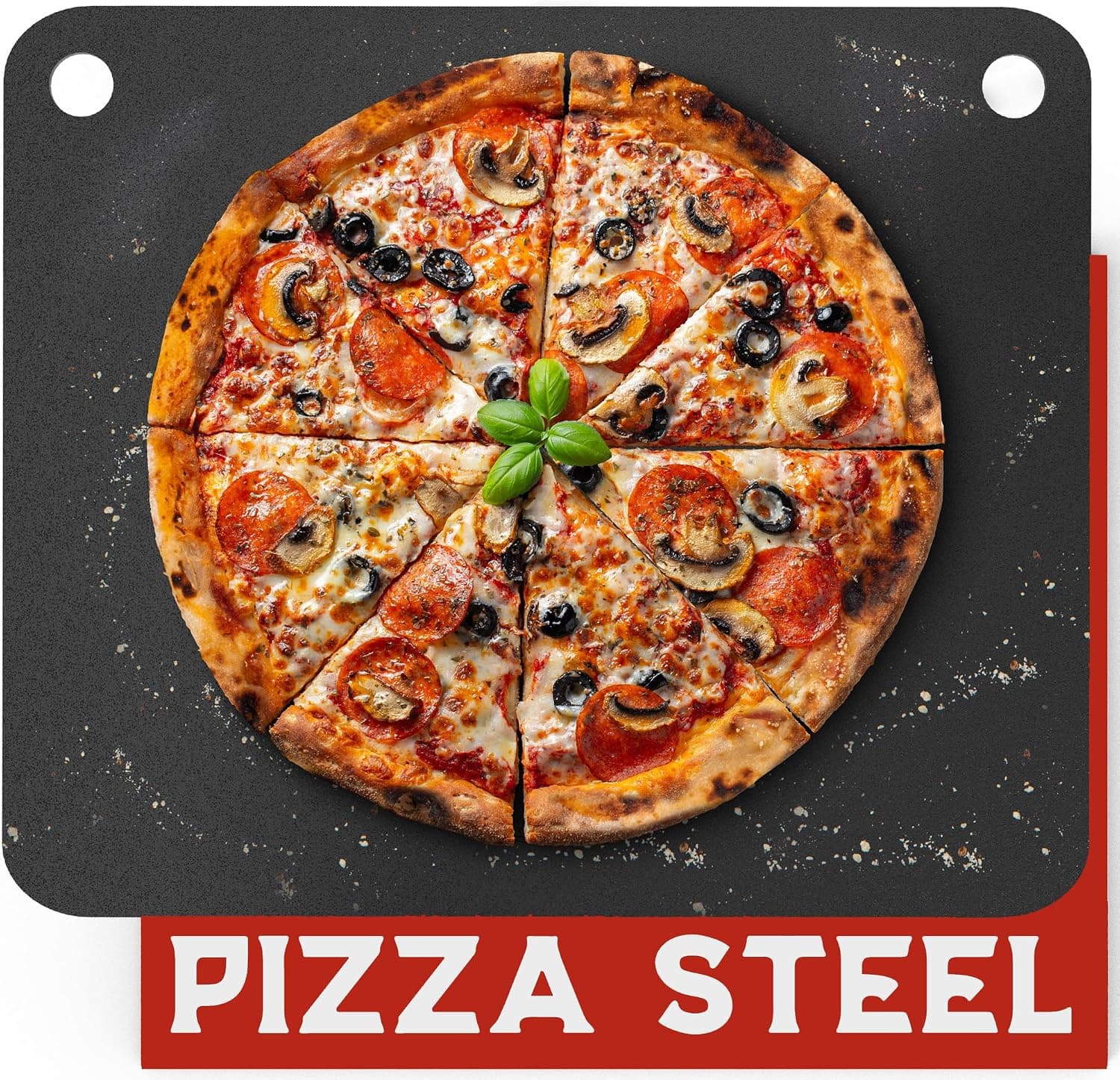
A pizza steel and a pizza stone do the same job, storing heat and delivering it into the base of your dough, but they do it at very different speeds. Steel conducts heat far faster than ceramic or cordierite, so at the same temperature a steel browns a crust dramatically quicker than a stone. In a home oven capped at 250 to 290 degrees Celsius, that speed is exactly what you need: the steel compensates for the low air temperature by slamming energy into the base, producing oven-spring and leoparding that a stone at the same setting cannot match. For standard kitchen ovens, steel is simply the better tool.
The physics flips in a real pizza oven. At 400 to 500 degrees Celsius, steel transfers heat so aggressively that it burns the base before the top finishes, which is why dedicated pizza ovens ship with stone floors. Stone's slower conduction is a feature at extreme temperatures, giving the crust time to cook through while the flame handles the top. This is the cleanest way to decide: home oven, buy steel; outdoor high-temperature oven, keep the stone it came with. The common mistake is putting a steel in an Ooni-class oven and wondering why every base is charcoal.
Thickness matters as much as material. A 6 millimeter steel heats faster and is easier to handle, but a 8 to 10 millimeter steel stores more energy and recovers faster between consecutive pies, which matters when you bake for a family. Stones follow the same logic: thin stones from supermarket bundles crack easily and run out of stored heat after one pizza, while a proper 15 to 20 millimeter cordierite stone will bake several pies back to back. Whatever you buy, preheat it for a full 45 to 60 minutes; a thick surface at half temperature is worse than a thin one fully charged.
Durability and care differ meaningfully. A steel is essentially indestructible: it can fall, soak, and scrape without harm, though it will rust if stored wet, so it needs an occasional wipe of oil like a cast-iron pan. Stones are brittle: thermal shock from a cold pie hitting a blazing stone, or water hitting it hot, can crack them, and they absorb oil and sauce stains permanently. Stains are cosmetic, not a hygiene problem, and a dark, mottled stone is the mark of a well-used oven, but people who want their gear looking new will prefer steel.
Weight and price close out the comparison. A 40 by 35 centimeter steel weighs 7 to 9 kilograms, enough that some people genuinely struggle to move it, and it costs two to three times what a decent stone does. A stone is lighter and cheaper but replaceable rather than permanent. If your budget only covers a stone for your kitchen oven, buy the stone and bake happily; the difference is real but not disqualifying, and a stone plus a hot broiler covers much of the gap.
The short version: match the surface to the oven's temperature ceiling. Steel shines where heat is scarce, stone shines where heat is abundant. Many serious home bakers eventually own both, steel in the kitchen for weeknights, stone outside for weekends, and stop thinking of it as a rivalry at all.
Products from this article
The highest-scoring picks from the buying guides mentioned above. Scores are our editorial assessment, not customer ratings.
+ Pre-seasoned surface is ready to bake right out of the box
From our guide: Best Pizza Steels for Crispier Home Oven Crust
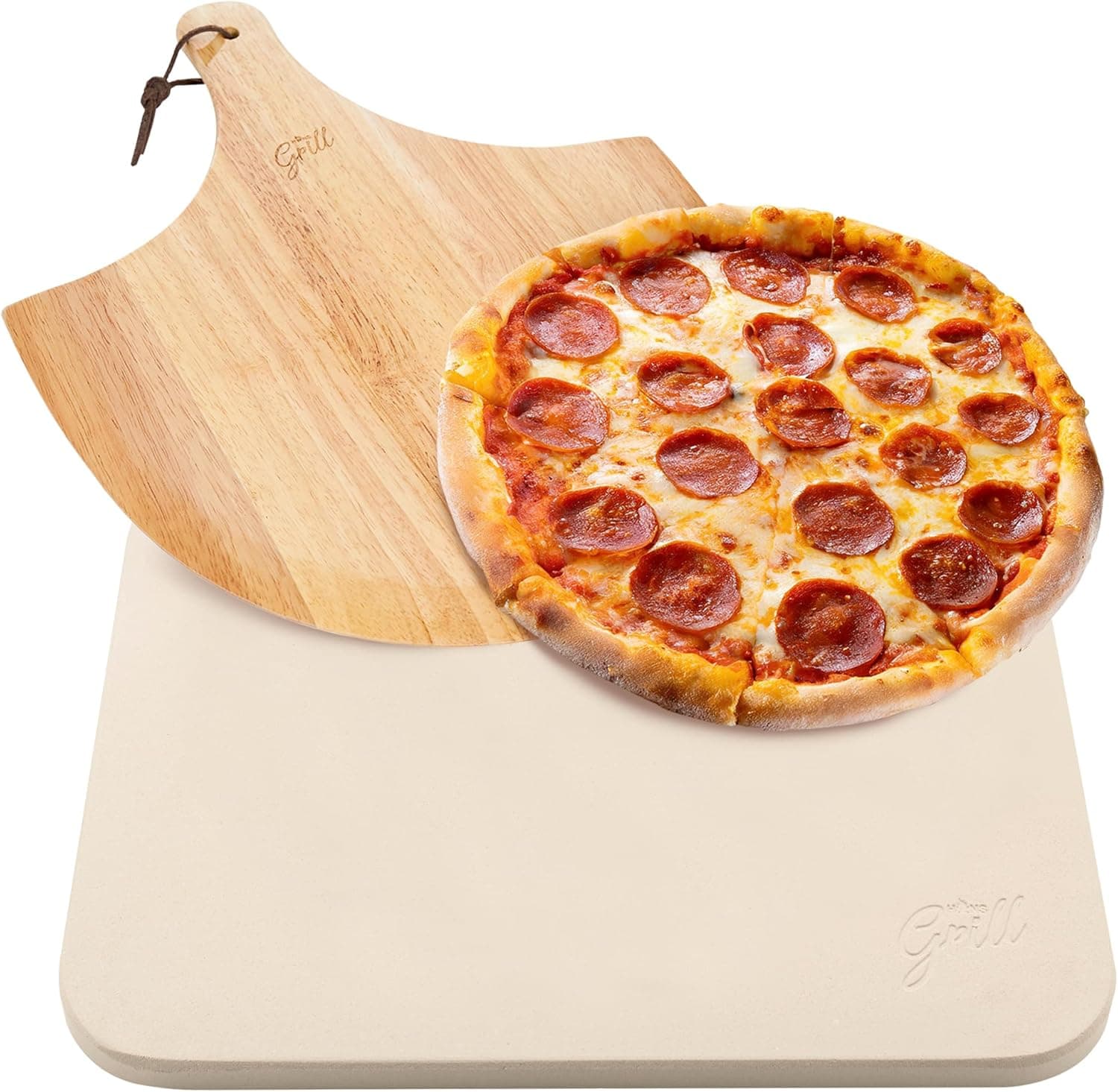
+ Free wooden peel included, adding value to the stone
From our guide: Best Pizza Stones for Home Ovens and Grills
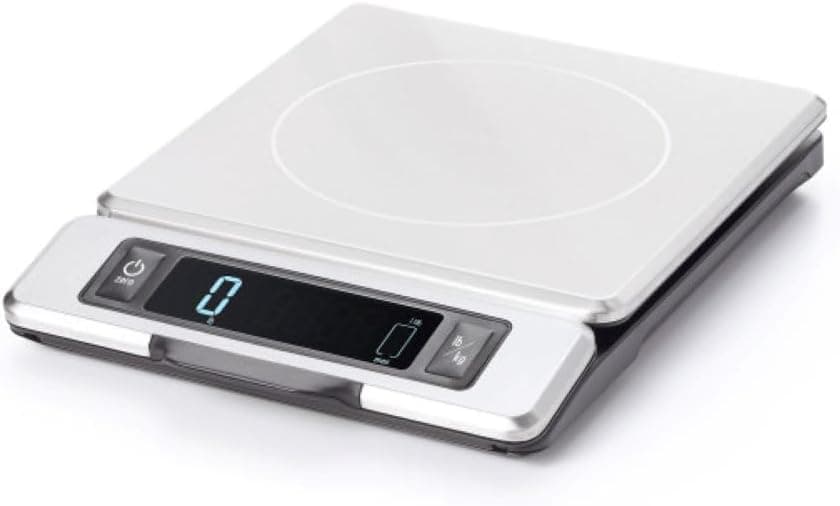
+ Pull-out display stays readable even with a wide bowl on top
From our guide: Best Kitchen Scales for Baking and Pizza Dough
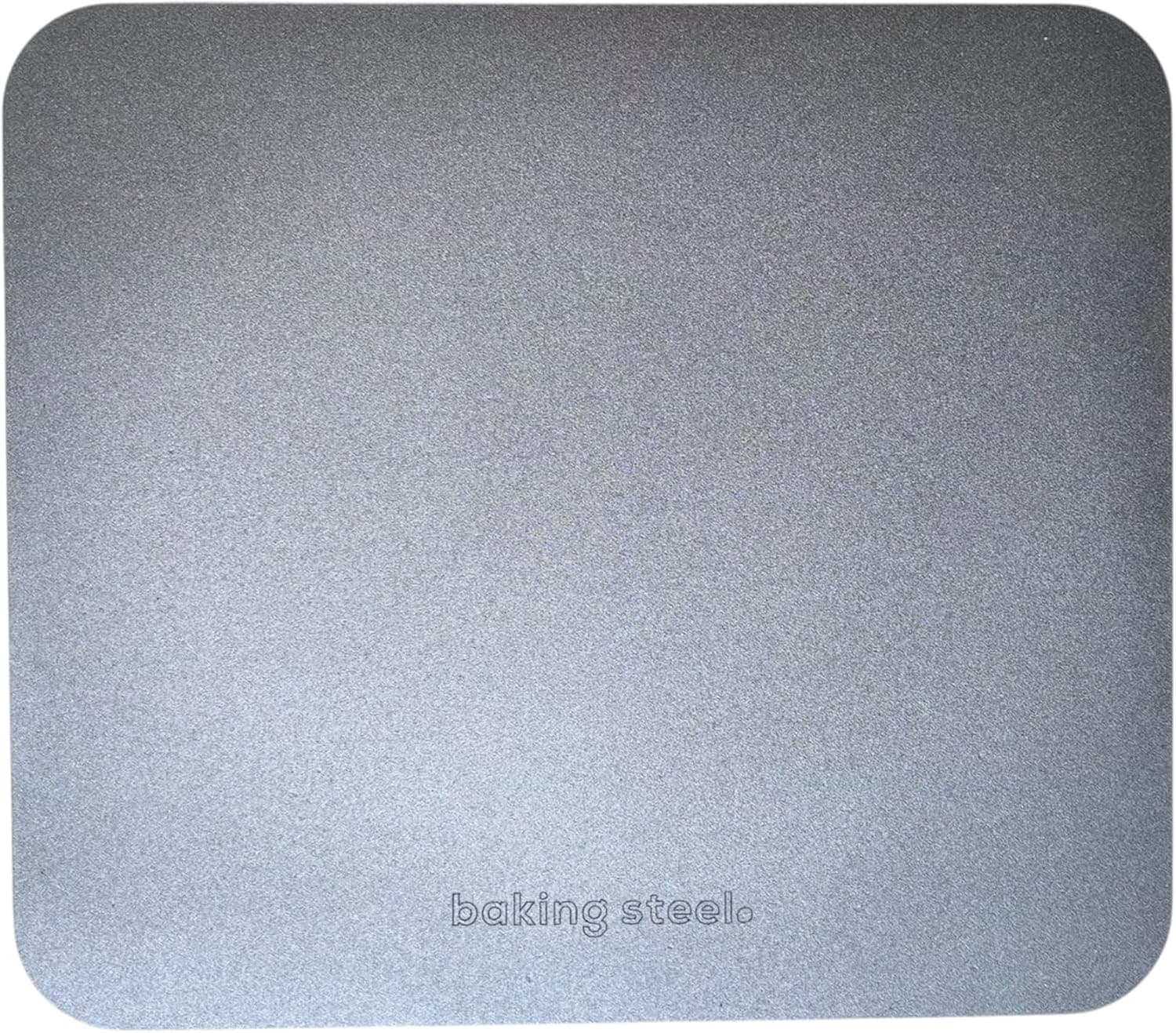
+ .25" thick steel gives quick, crisp pizza bottoms
From our guide: Best Pizza Steels for Crispier Home Oven Crust
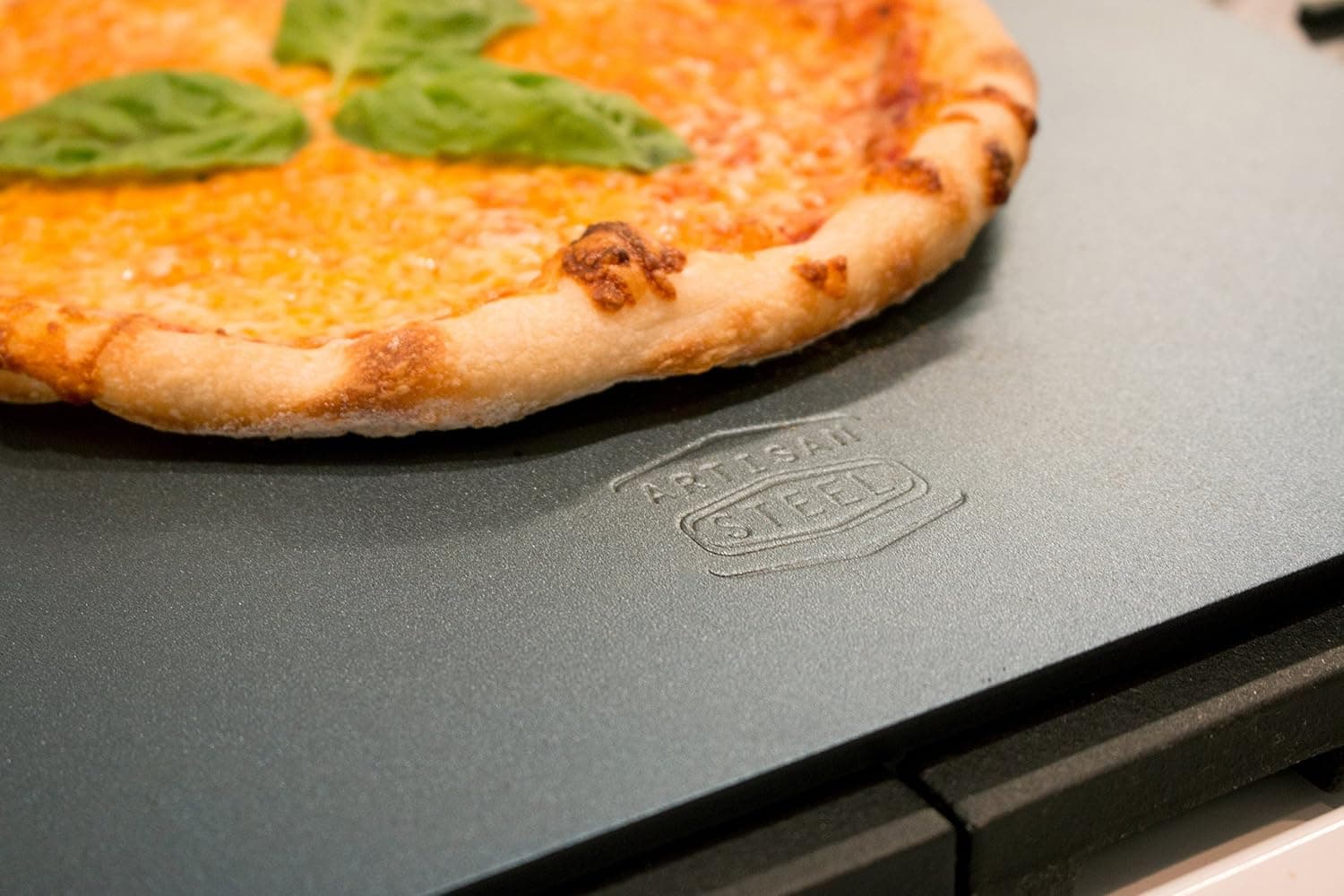
At a glance: Pizza steel vs Pizza stone
| Pizza steel | Pizza stone | |
|---|---|---|
| Heat transfer | Fast, stronger oven spring | Gentler |
| Crust in home ovens | Crisper, better browning | Good, can be paler |
| Durability | Nearly indestructible | Can crack from thermal shock |
| Weight | Heavy | Lighter |
| Very hot outdoor ovens | Can burn the base | Better suited |
| Care | Season like cast iron | No soap, let stains be |
Choose Pizza steel if
- You bake in a standard home oven
- You want the crispest base
- You want something that lasts forever
Choose Pizza stone if
- Your oven runs very hot
- Weight is a concern
- You bake bread and pizza at moderate heat
Bottom line: For home ovens a steel usually makes better pizza. A cordierite stone is the choice for very hot ovens and anyone who cannot lift a heavy steel.
Popular right now
- Semolina vs Flour for DustingArticle
- Toppings That Survive High HeatArticle
- Best Low-Moisture Mozzarella for Homemade PizzaBuying guide
- Using Your Grill as a Pizza OvenArticle
- Best Indoor Pizza Ovens for Apartment and Kitchen UseBuying guide
- Caring for Your Pizza Steel and StoneArticle
Based on the last 28 days of search and visitor data.